Last updated November 18, 2026






Free written scope consultation - allowances, timeline, and change-order rules on paper before a single trade is scheduled
DIY vs Professional Construction: The Fullerton Homeowner’s Decision Guide
Most homeowners think the DIY-versus-hire question is about skill. It isn’t. In California, it’s a legal and financial calculation. An owner-builder permit for a project over $500 in labor value legally designates you as the contractor of record. If you sell within five years of a permitted owner-builder project, you’re required to disclose it, and you can be held liable for defects even after the sale closes. That single rule changes the math on nearly every project in Fullerton. This guide walks through where DIY actually saves money, where the permit and inspection risk wipes out the savings, how insurance treats unpermitted work, and where a smart split between your labor and a licensed crew makes sense.
Quick Answer
DIY makes sense in Fullerton for cosmetic, permit-free work you can finish safely and correctly: painting, cabinet refacing, tile backsplash, fence staining, and swapping fixtures where the plumbing or wiring is already sound. Hire a licensed professional for anything structural, anything that requires a permit, and anything where a mistake creates water intrusion, fire risk, or resale liability. The owner-builder permit threshold and the five-year disclosure rule are the two facts that decide most borderline cases in California.
Styles & brands we work with
- Kitchen remodeling
- Bathroom remodeling
- Home additions & ADU
- Roofing
- Windows & doors
- Driveway & pavers
- Fence
Table of Contents
- What California’s owner-builder permit rule actually means
- Category-by-category: where DIY saves and where it costs
- How homeowner’s insurance treats unpermitted work
- The skill and tool threshold that decides the project
- The middle path: splitting labor with a licensed crew
- Fullerton-specific conditions that affect the call
- What professional work typically costs in Fullerton
- Common mistakes to avoid
What California’s owner-builder permit rule actually means
In California, when you pull a permit as an owner-builder, you are legally the contractor of record for that project. That’s the whole rule, and it has teeth. The permit application requires you to declare the labor value. If that labor value exceeds $500, the state treats you as performing contractor work on your own property. You’re allowed to do it, but you take on the responsibilities a licensed contractor would normally carry.
The consequence most homeowners don’t discover until it’s expensive is the disclosure requirement. When you sell a home with a permitted owner-builder project, you’re required to disclose that the work was done under an owner-builder permit. That disclosure follows the property for five years after the project is completed. A buyer’s agent who sees an owner-builder disclosure on a Fullerton listing is going to ask harder questions, request inspection reports, and in some cases negotiate the price down. And the liability doesn’t stop at the sale: if a defect in that owner-builder work surfaces after closing, you can be pursued for it.
Here’s what this means in practice for a Fullerton homeowner weighing DIY:
- No permit, no disclosure. Cosmetic work that doesn’t require a permit never triggers the owner-builder rule. Paint, tile, cabinet hardware, and landscaping fall here.
- Permit required, you pull it, you own the liability. A kitchen remodel that moves plumbing or electrical, a new addition, a structural change, or a fence over the height limit all require permits in most California cities. Ask Fullerton’s building department directly for your specific scope.
- A licensed contractor pulls the permit under their license. The permit record shows their name, the inspections are theirs to pass, and the disclosure burden on a future sale is far lighter.
This is the core of the Construction Fullerton perspective on the DIY question: the decision isn’t just about whether you can do the work, it’s about what the permit record says about the work for the next five years.
Category-by-category: where DIY saves and where it costs
Not every project carries the same risk. A frank breakdown by category is the fastest way to decide. The pattern is consistent: the more a project touches structure, water, or the permit record, the less DIY pays off.
Where DIY genuinely saves money in Fullerton
- Interior paint and trim. No permit, no inspection, no disclosure. A prepped and painted room is a real return. The tool cost is a few hundred dollars and the labor is yours.
- Cabinet refacing and hardware. If the cabinet boxes are sound, new doors and drawer fronts in a premium finish can transform a kitchen. Note that a full cabinet replacement is a different project and usually needs a permit once plumbing or electrical moves.
- Tile backsplash. A manageable first tile job. The failure mode is cosmetic, not structural.
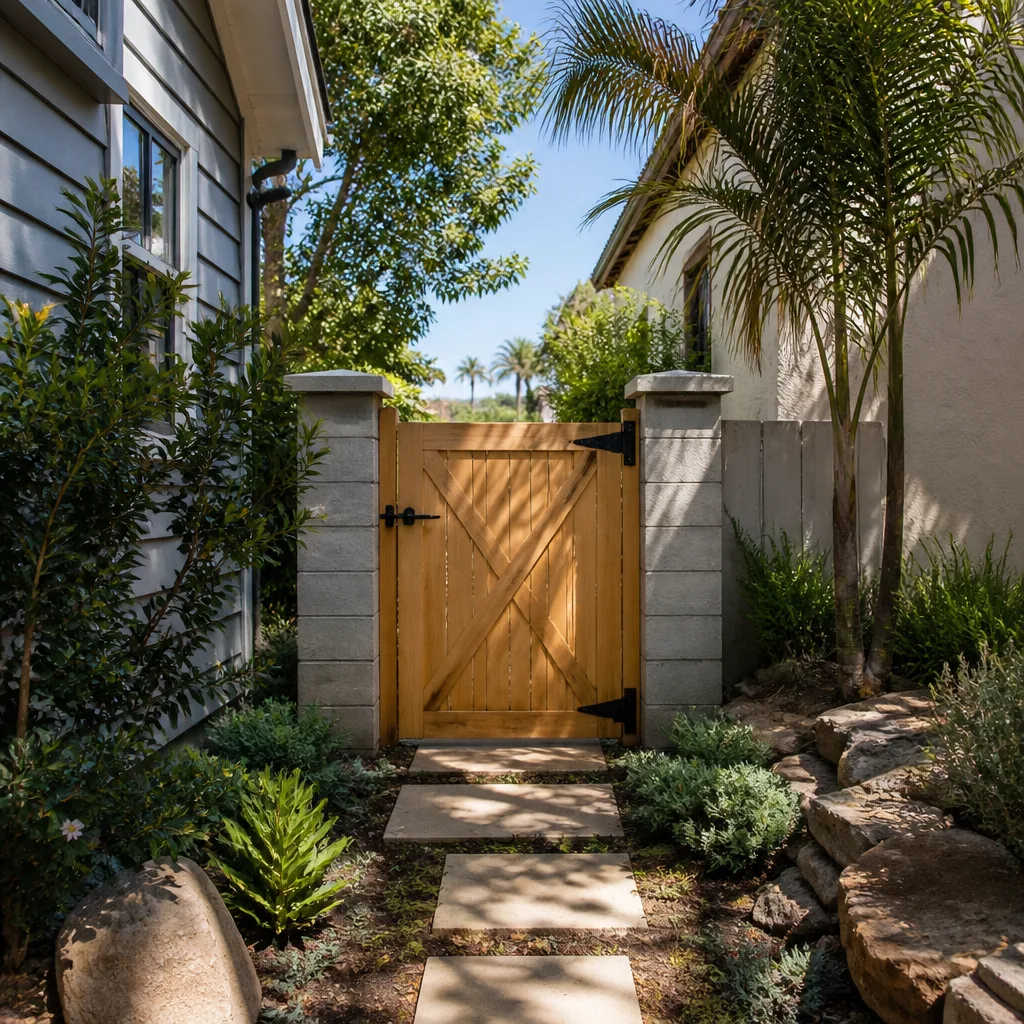
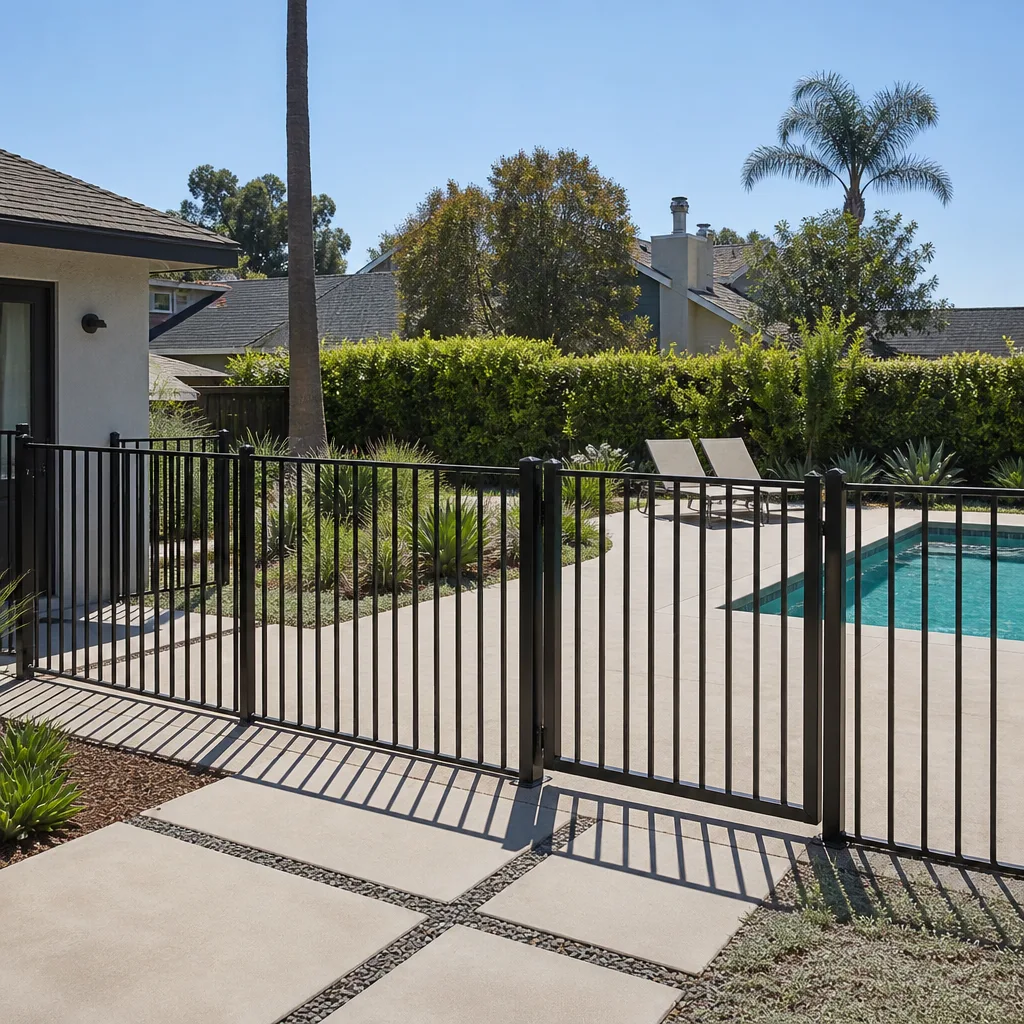
- Fence staining and minor fence repair. Refinishing an existing fence is straightforward. New fence installation in Fullerton usually requires a permit and a height check against your lot’s zoning, and that’s where DIY gets complicated.
- Landscape planting and irrigation tweaks. Low risk, high satisfaction.
Where DIY erases its own savings
- Roofing. A re-roof requires a permit, an inspection, and a workmanship standard that affects your insurance. A leaking flashing detail you can’t see from the ground can cost more to fix than the original job.
- Any plumbing rough-in or relocation. A drain that’s slightly off-pitch looks fine for months and then doesn’t. The redo means opening the wall again.
- Electrical panel work and new circuits. This is dangerous. Panel work and new circuit runs are not a homeowner task in any state, and a mistake here is a fire risk, not a rework cost.
- Bathroom waterproofing. The shower pan and the waterproofing membrane behind tile are the two places DIY bathrooms fail. The failure is invisible until water has been migrating into the framing for a season.
- Structural changes. Removing a wall, adding a beam, or any change to the load path requires engineering and inspection. There’s no safe DIY version of this.
- Additions and ADUs. The permit, engineering, and inspection chain is the project. Our home additions & ADU work covers both stick-built and prefab routes for exactly this reason: the coordination is the hard part, not the framing.
Sit with that list and most homeowners find their project lands clearly on one side or the other. The borderline cases are what the rest of this guide is for.
How homeowner’s insurance treats unpermitted work
Here’s the part that catches people: your homeowner’s policy doesn’t automatically cover a loss caused by unpermitted work. If a water heater installed without a permit leaks and damages the floor, or an unpermitted electrical addition causes a fire, the insurer can investigate the cause and dispute the claim on the grounds that the work wasn’t permitted or inspected. This isn’t universal, and it isn’t a guarantee of denial. But it’s a real risk that most homeowners never price into the DIY decision.
In California, where insurers are already scrutinizing properties closely, a claim involving unpermitted work is the kind of thing that can slow a payout or lead to a coverage dispute. The practical questions to ask yourself before starting a permit-required DIY project:
- Would a claim related to this work be something I’d need my policy to cover? If the answer is yes, the permit and inspection matter more than the labor savings.
- Does my policy have any language about permitted versus unpermitted improvements? Read the exclusions section, not just the summary.
- Would I be comfortable disclosing this work to a buyer in five years? If not, that’s a signal the project belongs with a licensed contractor who pulls the permit.
Permitted work, inspected and documented, is the version of a project your insurer can actually see. That’s not a sales pitch, it’s how claims get handled.
The skill and tool threshold that decides the project
Forget the “am I handy enough” question. The better question is “what can go wrong, and what does it cost when it does?” A project belongs in DIY territory when the worst-case failure is cosmetic and visible. It belongs with a professional when the worst-case failure is hidden, structural, or dangerous.
Signs a project is beyond the DIY threshold
- The failure would be invisible. Waterproofing, drain slope, flashing, and vapor barriers all fail silently. You find out months later, and the repair is bigger than the original job.
- The failure involves fire or gas. Electrical panels, new circuits, and anything on a gas line are not homeowner work. A licensed electrician or plumber should be doing this, full stop.
- It moves the load path. Any wall removal, beam, or structural change needs engineering and inspection.
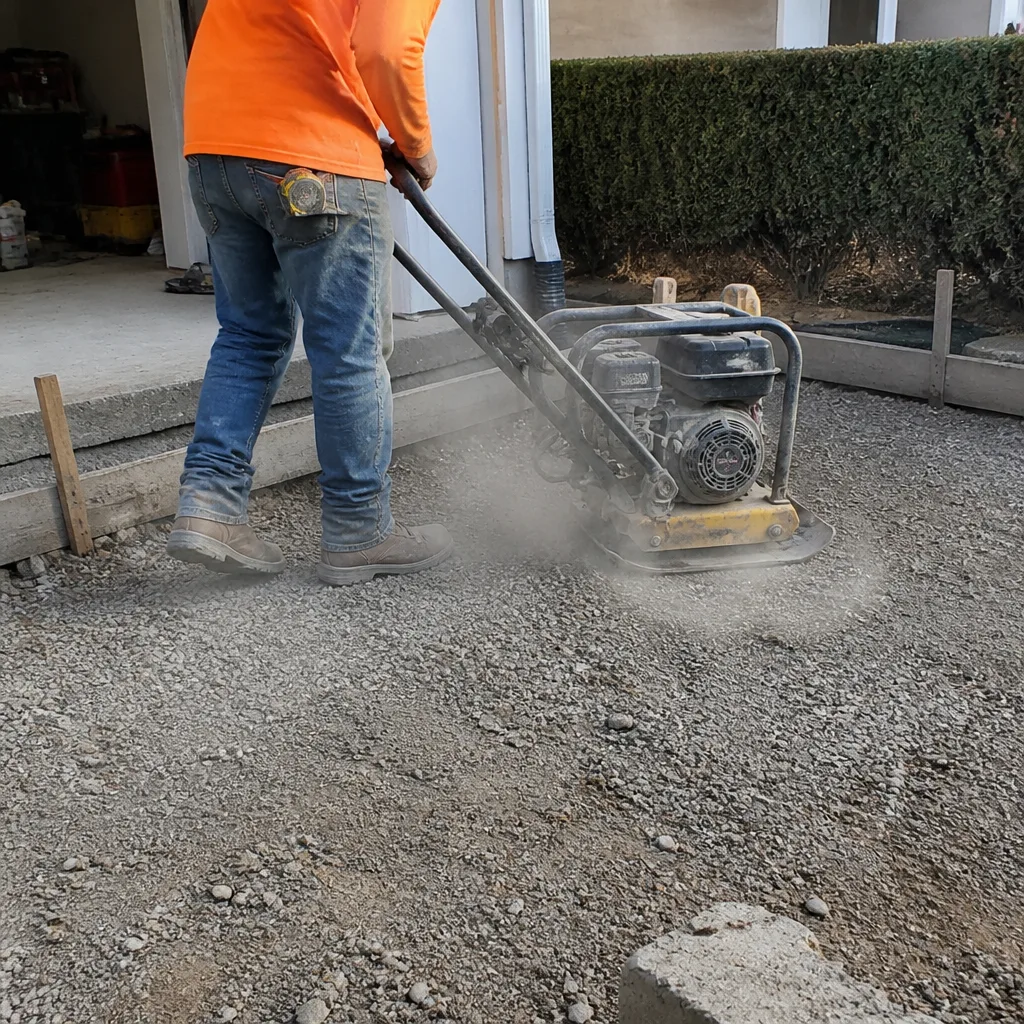
- It requires a specialty tool you’d rent once. If the correct tool costs more to rent than the job is worth, that’s a signal the job wants a crew that already owns it.
- It requires a permit and an inspection. Once the inspector is involved, the DIY savings have to survive the redo risk. They often don’t.
Signs a project is a reasonable DIY
- The work is cosmetic and reversible.
- The worst-case failure is visible within days, not months.
- You can do it correctly with tools you own or can borrow.
- No permit is required for your specific scope.
- You’d be comfortable showing the finished work to a buyer.
Run your project through both lists. If it lands on the “beyond” side even once, treat it as professional work. This is the honest threshold, and it’s the one we use when we talk a Fullerton homeowner through a project scope.
The middle path: splitting labor with a licensed crew
There’s a real third option that most guides skip: hiring a professional for the risky portion of a project and doing the finish work yourself. This is how a lot of experienced homeowners actually get the best value. The catch is that the split has to be structured correctly, or it creates more problems than it solves.
How to structure the split
- Identify the permit-triggering and risk-critical scope. That’s typically structural work, electrical rough-in, plumbing rough-in, waterproofing, and anything on the permit application. That portion goes to a licensed contractor.
- Have the licensed contractor pull the permit for their scope. The permit record should reflect who did the work that required it. This is what protects you at resale.
- Define the finish scope in writing before work starts. Paint, trim, tile setting over an inspected waterproofing membrane, cabinet hardware, and landscaping are typical owner-finish categories.
- Sequence the handoff carefully. The finish work starts only after the rough-in is inspected and signed off. Doing finishes early is how a project ends up reopening a finished wall.
- Confirm insurance and warranty boundaries. Understand what the contractor warrants (their scope) and what you’re responsible for (yours). Get it in writing.
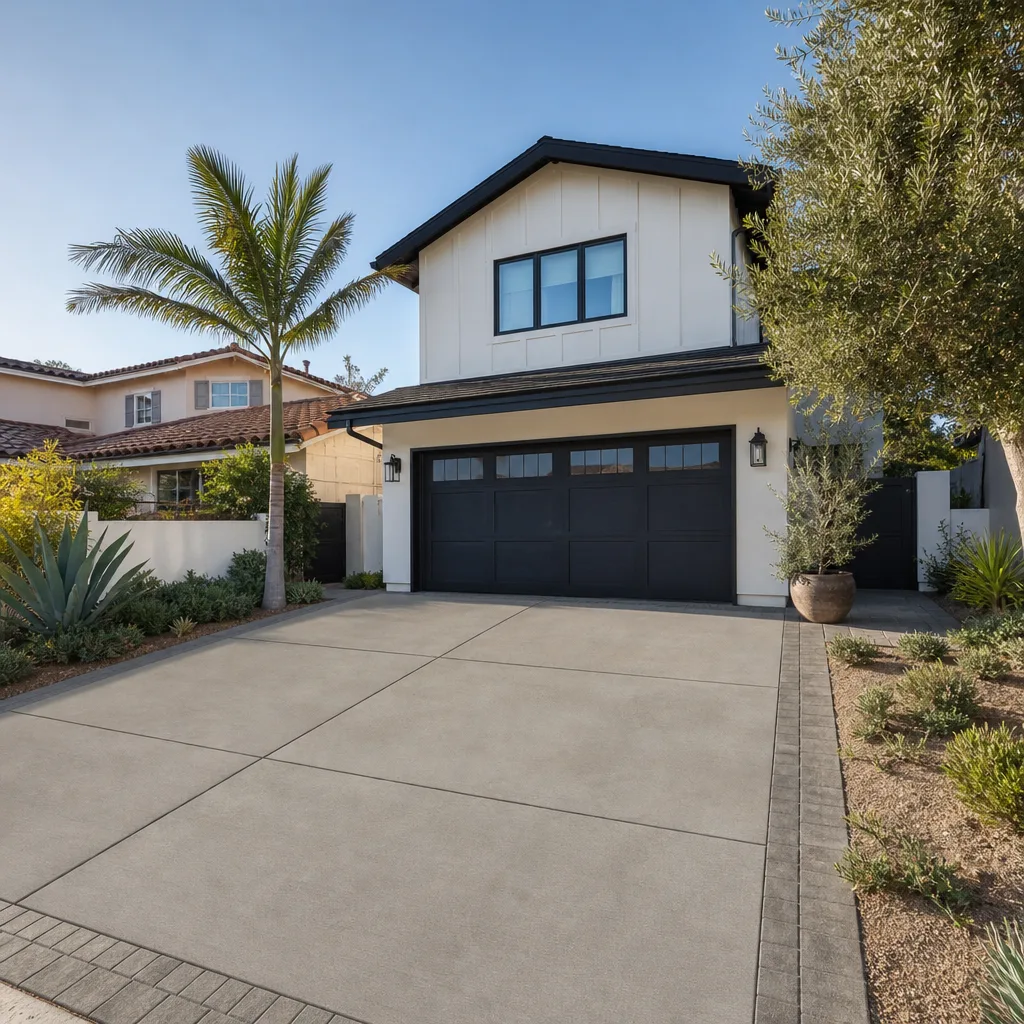
Where this gets harder than it sounds is coordination. The biggest schedule risk on a homeowner-managed project is keeping the trades moving without gaps while the homeowner handles the finish phase. A single team coordinating every phase removes that risk, which is why multi-phase projects that touch the kitchen, bath, and roof end up with one contractor rather than three. That’s the model behind the driveway & pavers and interior work we handle together when a Fullerton homeowner is renovating the property exterior and interior in the same season.
Fullerton-specific conditions that affect the call
Fullerton’s climate and housing stock shape the DIY calculation in ways that national guides don’t account for. The winters are mild, so you don’t have freeze damage to worry about. That matters for some projects and not others.
The warm, dry summers are actually a scheduling advantage for exterior work in Fullerton. Painting, fence staining, and paver sealing all want dry weather, and Fullerton has plenty of it. Interior work is comfortable year-round. The mild climate also means the exterior envelope takes a lighter beating than in colder parts of the country, so windows and roofing tend to fail from age and material degradation rather than weather extremes.
Fullerton’s older neighborhoods have their own profile. Areas with older homes tend to have original single-pane windows, older electrical panels, and plumbing that’s been patched over decades. In those homes, the “cosmetic” project often turns out to have a rough-in problem underneath. A bathroom tile job in a 1950s Fullerton home can open up into a plumbing and waterproofing project quickly. That’s not a reason to avoid DIY, it’s a reason to scope carefully before you start.
Fullerton’s mix of single-family homes, townhomes, and properties with HOA oversight adds another layer. Fence materials and driveway materials often need to match what the HOA approves, which narrows your choices. When you’re specifying materials, working with brand lines that already meet HOA standards saves a lot of back-and-forth. Our fence installation work runs on manufacturer-vetted lines like Barrette, Master Halco, Jerith, Bufftech, and ActiveYards precisely because material choice and HOA fit have to be handled together. For pavers, lines like Tremron, Techo-Bloc, and Cambridge Pavers are the ones we specify most often for Fullerton driveways and patios.
What professional work typically costs in Fullerton
Having a realistic price range in front of you is the honest way to compare against your own time and redo risk. These are typical ranges for the Fullerton market, and the written estimate sets the final price.
| Project | Typical estimated range | Notes |
|---|---|---|
| Interior paint (per room) | $400 – $900 | Prep, two coats, trim included in most scopes |
| Kitchen remodel (mid-range) | $25,000 – $60,000 | Permits and inspections included in professional scope |
| Bathroom remodel (mid-range) | $12,000 – $30,000 | Waterproofing and rough-in are the risk-critical portions |
| Roof replacement | $9,000 – $25,000 | Depends on pitch, material, and decking condition |
| Window replacement (per window) | $500 – $1,200 | Depends on size, frame material, and glass package |
| Fence installation (per linear foot) | $30 – $60 | Depends on material and height; permit may apply |
| Driveway pavers (per square foot) | $12 – $25 | Depends on base prep and paver line |
Compare those numbers against what the DIY version really costs once you add up tools, materials, permit fees, inspection time, your own hours, and the redo risk. For cosmetic work, DIY often wins clearly. For anything in the middle rows, the professional scope usually pays for itself in avoided rework and a clean permit record.
Common Mistakes to Avoid
- Pulling an owner-builder permit without understanding the five-year disclosure. If you plan to sell within five years, that disclosure is a real negotiation item. Know it going in.
- Assuming your homeowner’s policy covers unpermitted work. Read the exclusions before the project, not after a loss.
- Doing waterproofing yourself to save money on a bathroom. This is the single most common costly mistake in Fullerton bathroom remodels. The membrane is cheap; the redo is not.
- Taking on electrical panel or new-circuit work. This isn’t a “be careful” project. It’s a project for a licensed electrician, and a mistake is a fire risk.
- Choosing a fence material before checking HOA and zoning requirements. Fullerton’s mix of properties means the approved material list varies by neighborhood.
- Starting finish work before rough-in inspections pass. If you close the wall before the inspector sees it, you’ll be reopening it.
- Comparing professional quotes on the sticker price alone. A quote that names specific brands (GAF, CertainTeed, or Owens Corning shingles; Kohler or Toto fixtures; Belgard or Cambridge Pavers) is easier to compare than one with a generic line item.
See the difference
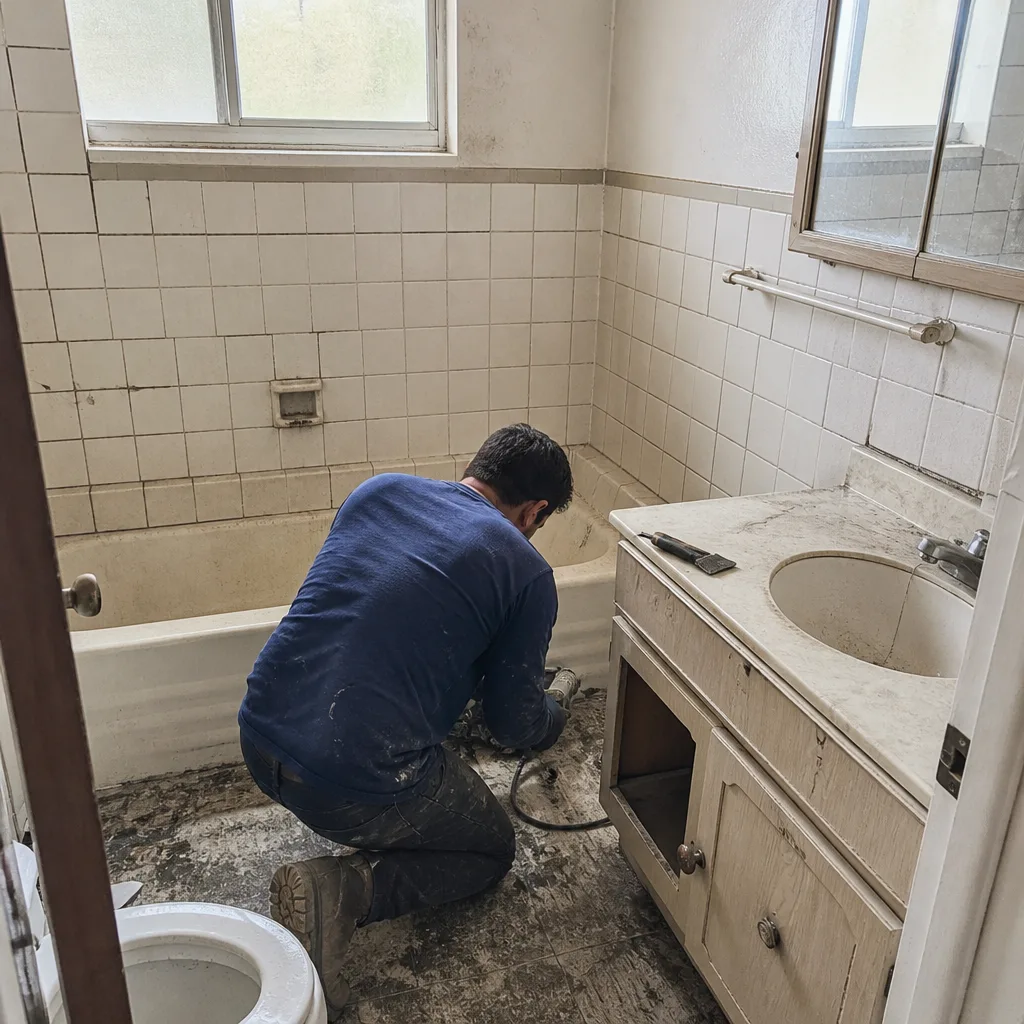 Before
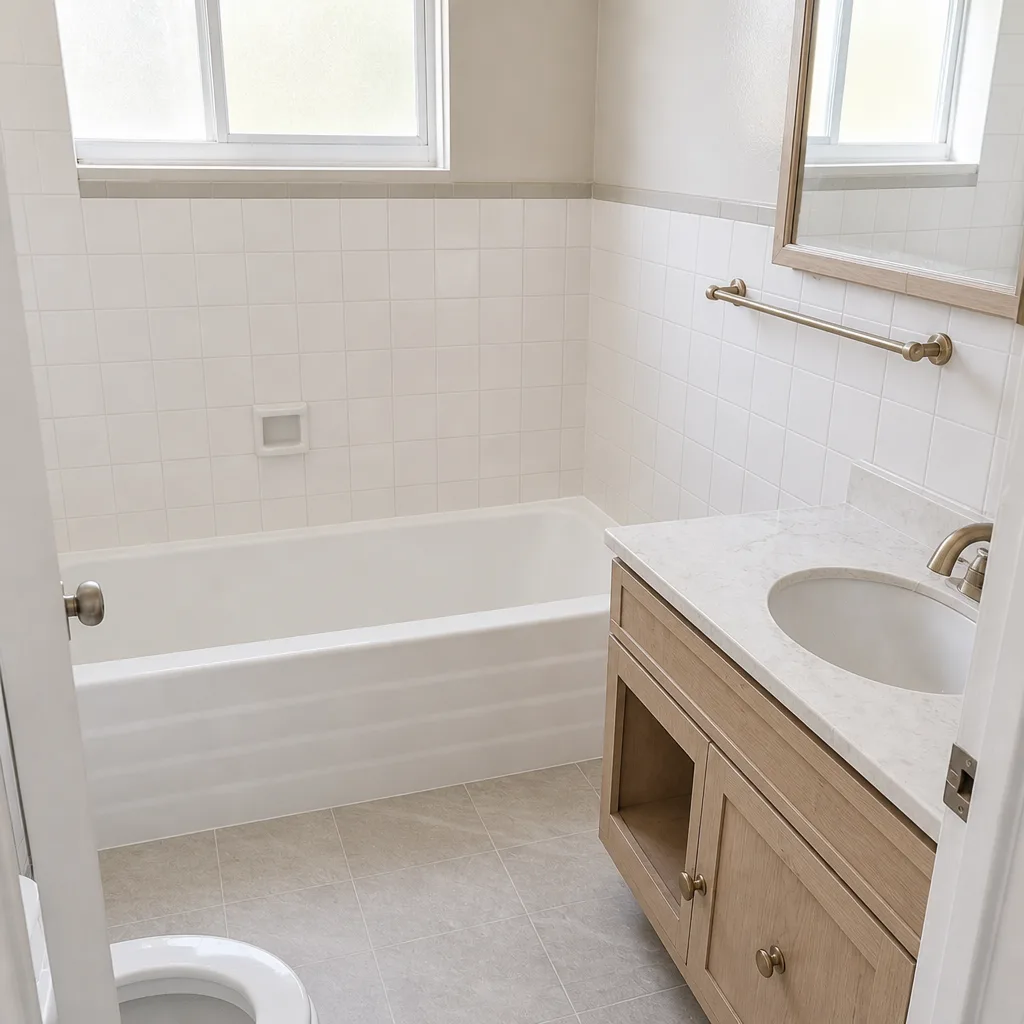 After
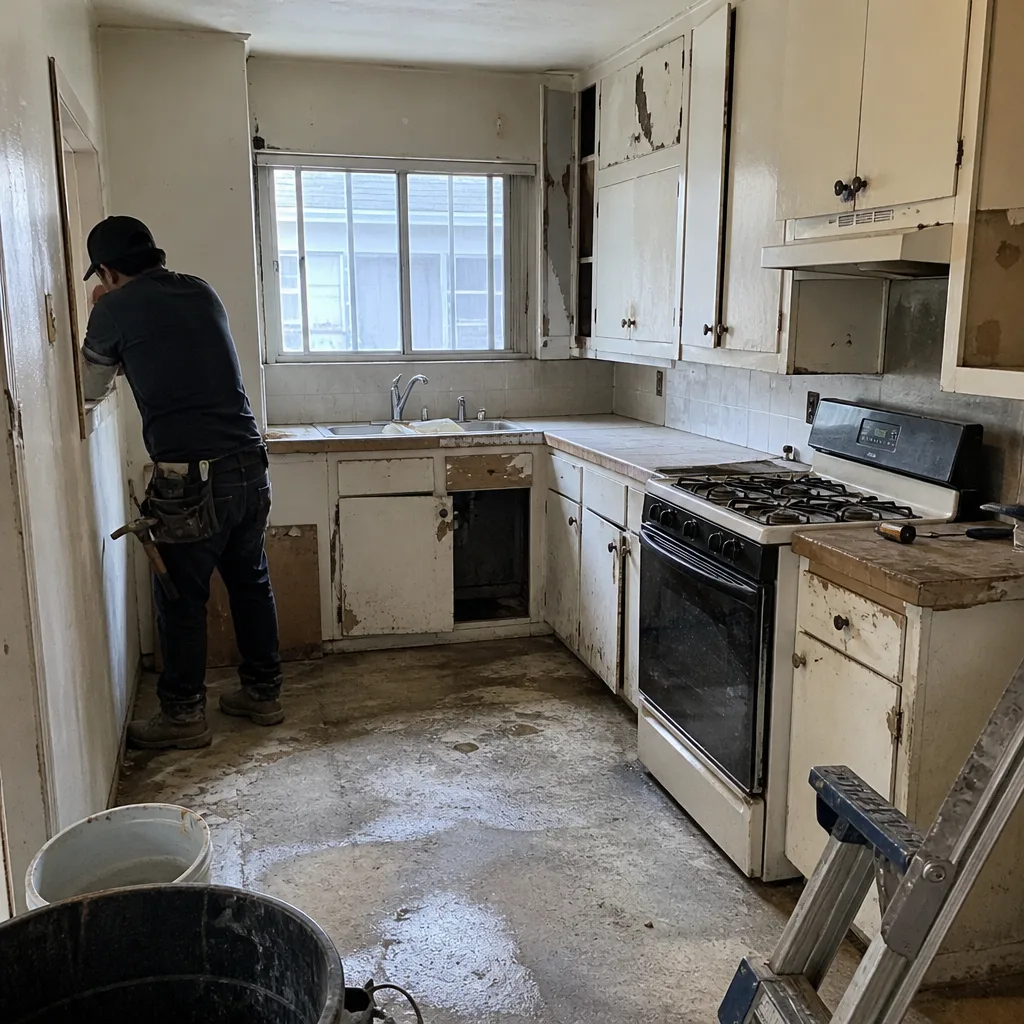 Before
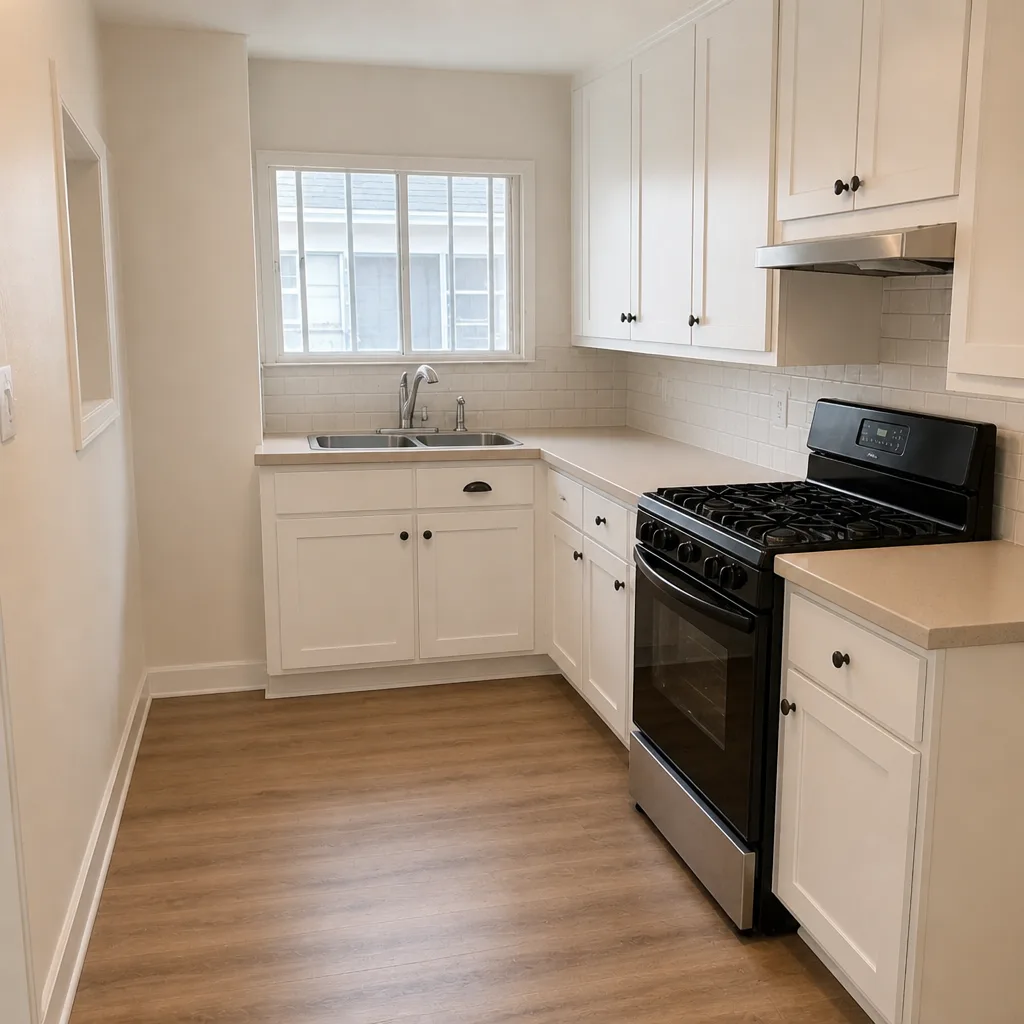 After
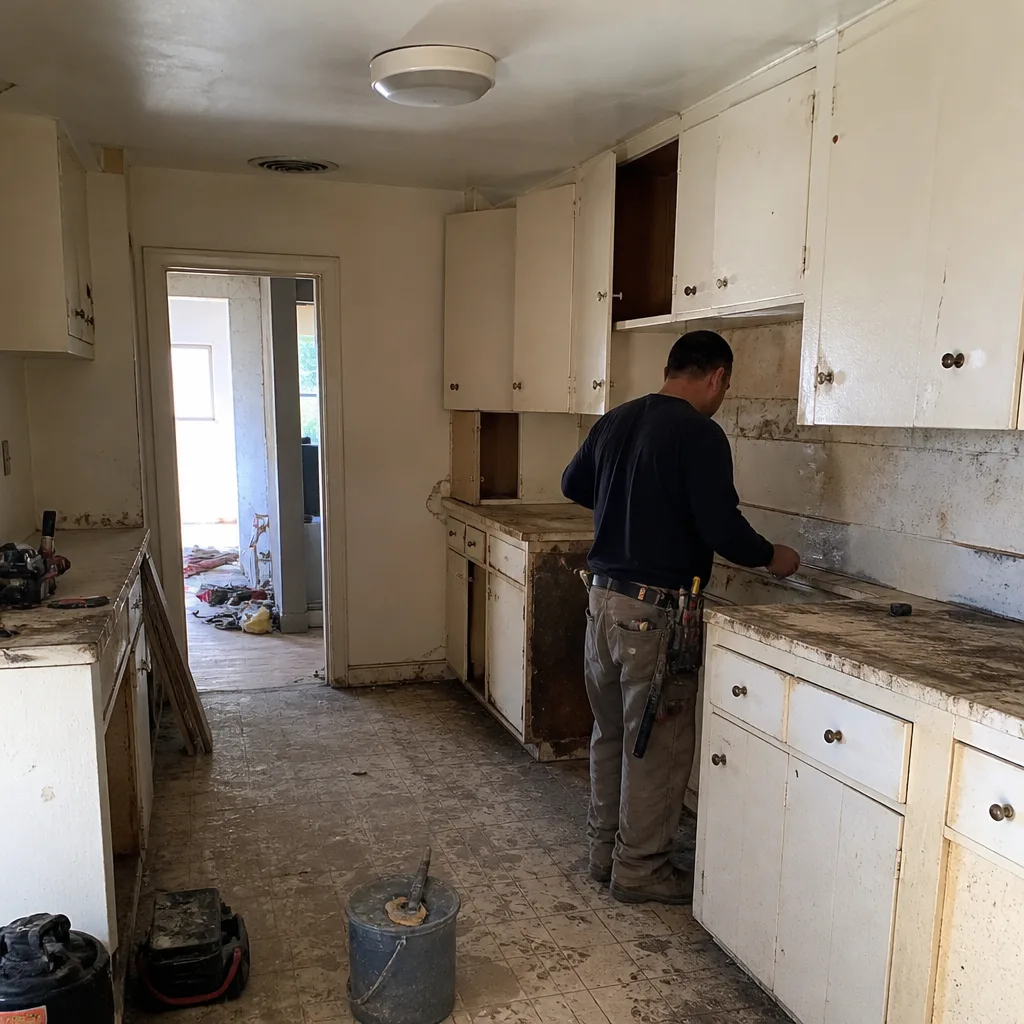 Before
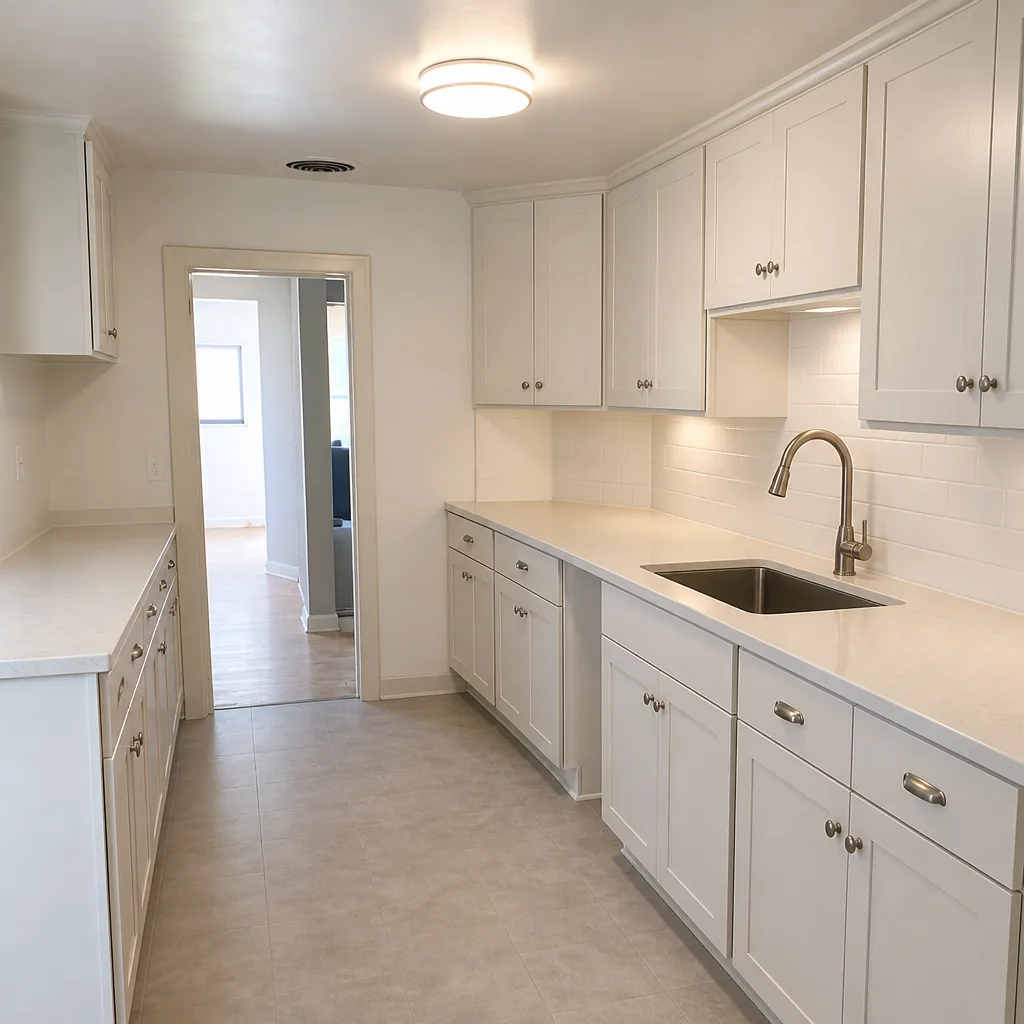 After
When to Call a Professional
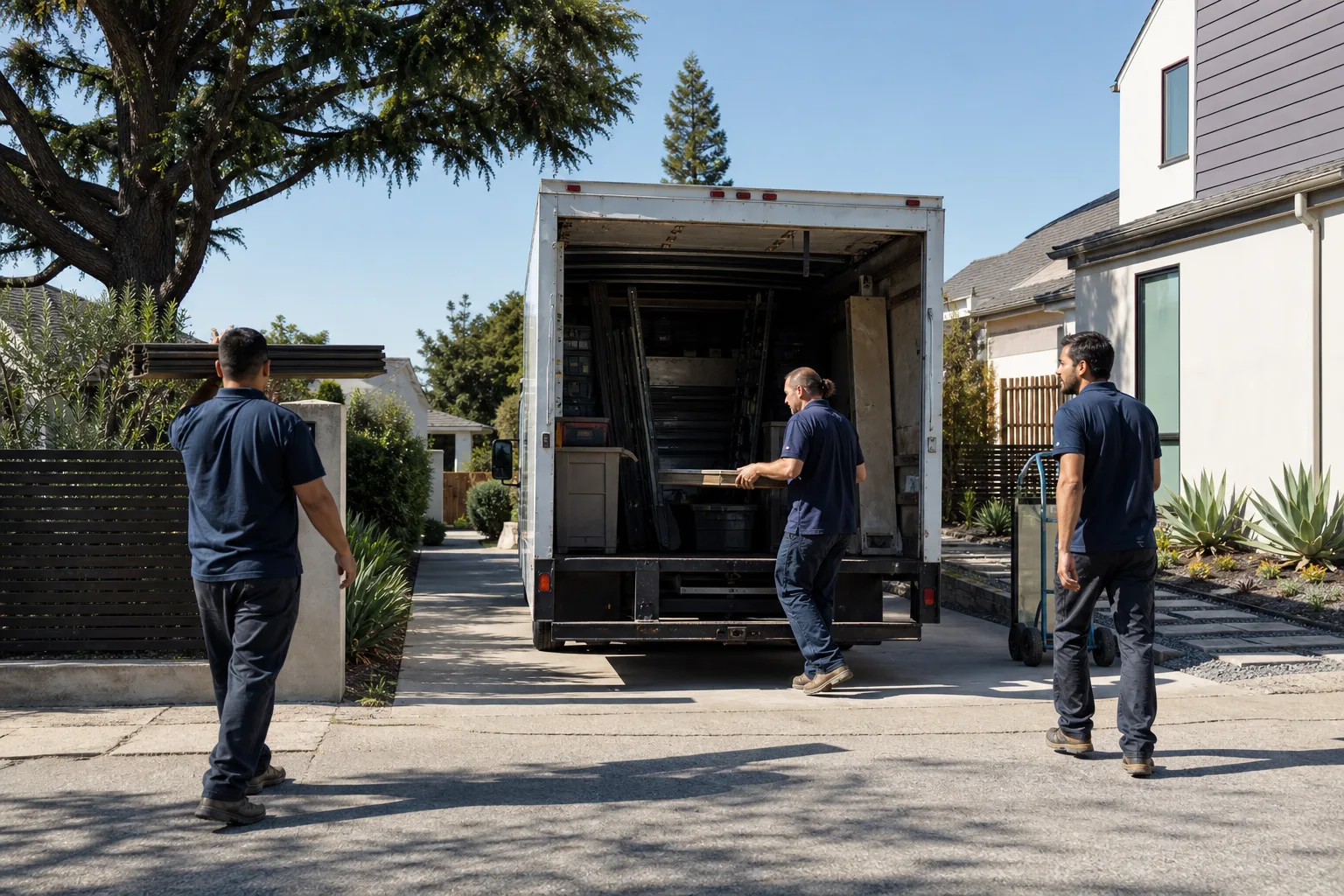
Call a professional when the project requires a permit, touches structure, involves electrical or gas, needs waterproofing, or has a failure mode you can’t see. Call when the failure could affect your insurance coverage or your ability to sell. Call when the correct tool would cost more to rent than the job is worth. And call when a project has more than one phase, because coordinating trades across phases is where homeowner-managed projects lose the most time. The technician experience on a licensed crew is the buffer between a project that stays on schedule and one that stalls at the inspection. Construction Fullerton offers free estimates in Fullerton, with written line-item quotes and a fixed price that doesn’t change once work starts. Call (844) 834-8322. We answer 24/7. Fast dispatch from 7am to 7pm, Sunday through Friday.
Frequently Asked Questions
You need a permit if the project moves plumbing, electrical, or gas, or if it changes any structural element. Cosmetic work like paint, refacing, and a backsplash usually doesn’t require one. Confirm your specific scope with Fullerton’s building department before you start. Call (844) 834-8322 if you’d like a free estimate on the professional scope.
If you pull a permit as an owner-builder for a project over $500 in labor value, you’re the contractor of record, and you’re required to disclose that when you sell the home within five years of completion. You can also be held liable for defects after the sale. That’s why the permit record matters as much as the work itself. Call (844) 834-8322 for a free estimate on having a licensed contractor pull the permit instead.
Not automatically. If a loss is caused by work that wasn’t permitted or inspected, the insurer can investigate and dispute the claim. Read your policy’s exclusions carefully before starting a permit-required DIY project. Call (844) 834-8322 to talk through a free estimate on a permitted, inspected scope.
Yes, and this is often the smartest split. Hire a licensed contractor for structural, electrical, plumbing rough-in, and waterproofing, then do paint, trim, tile, and hardware yourself after the rough-in passes inspection. The key is having the licensed contractor pull the permit for their scope. Call (844) 834-8322 to structure a split-scope estimate.
A mid-range bathroom remodel typically takes four to eight weeks depending on scope, permit timing, and material lead times. The rough-in and inspection phase is usually the longest single stretch. A realistic schedule is part of any written estimate. Call (844) 834-8322 for a free estimate with a schedule attached.
We’re closed Saturday and open Sunday through Friday, 7am to 7pm. If your question is about nights or weekends, we answer 24/7 by phone. A call outside dispatch hours is booked into the next opening, Sunday through Friday, 7am to 7pm. Call (844) 834-8322.
The Bottom Line
The DIY decision in Fullerton comes down to two questions: can you do the work correctly, and can you live with the permit record for the next five years? Cosmetic, permit-free work is a clear win for DIY. Anything that requires a permit, touches structure, or involves electrical, gas, or waterproofing belongs with a licensed contractor, both for safety and for the clean record your insurance and your future sale depend on. The middle path works when the split is structured carefully with the licensed contractor pulling the permit for their scope. When in doubt, get a written estimate and compare it to the real cost of doing it yourself.
Contact
If you’re weighing a project in Fullerton and want a straight answer on what needs a permit and what doesn’t, call (844) 834-8322 for a free estimate. We’ll walk through your scope, tell you which portion is a reasonable DIY and which isn’t, and put the numbers in writing. One contractor, every phase, built to spec, not to budget shortcuts. You choose the brand, we handle the build.
Written by the team at Construction Fullerton.