
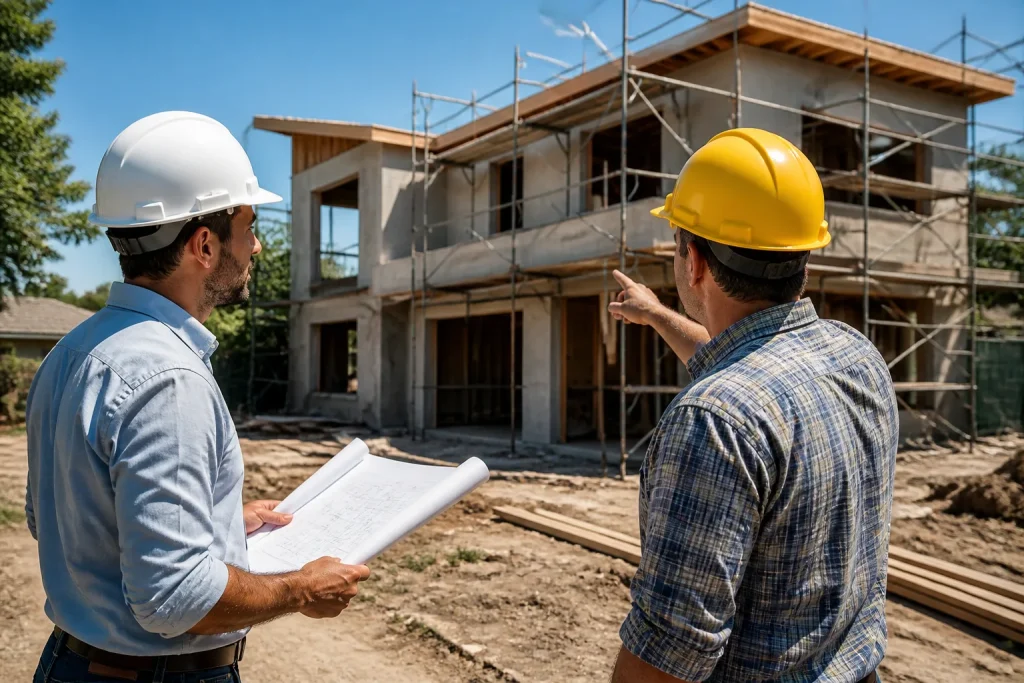
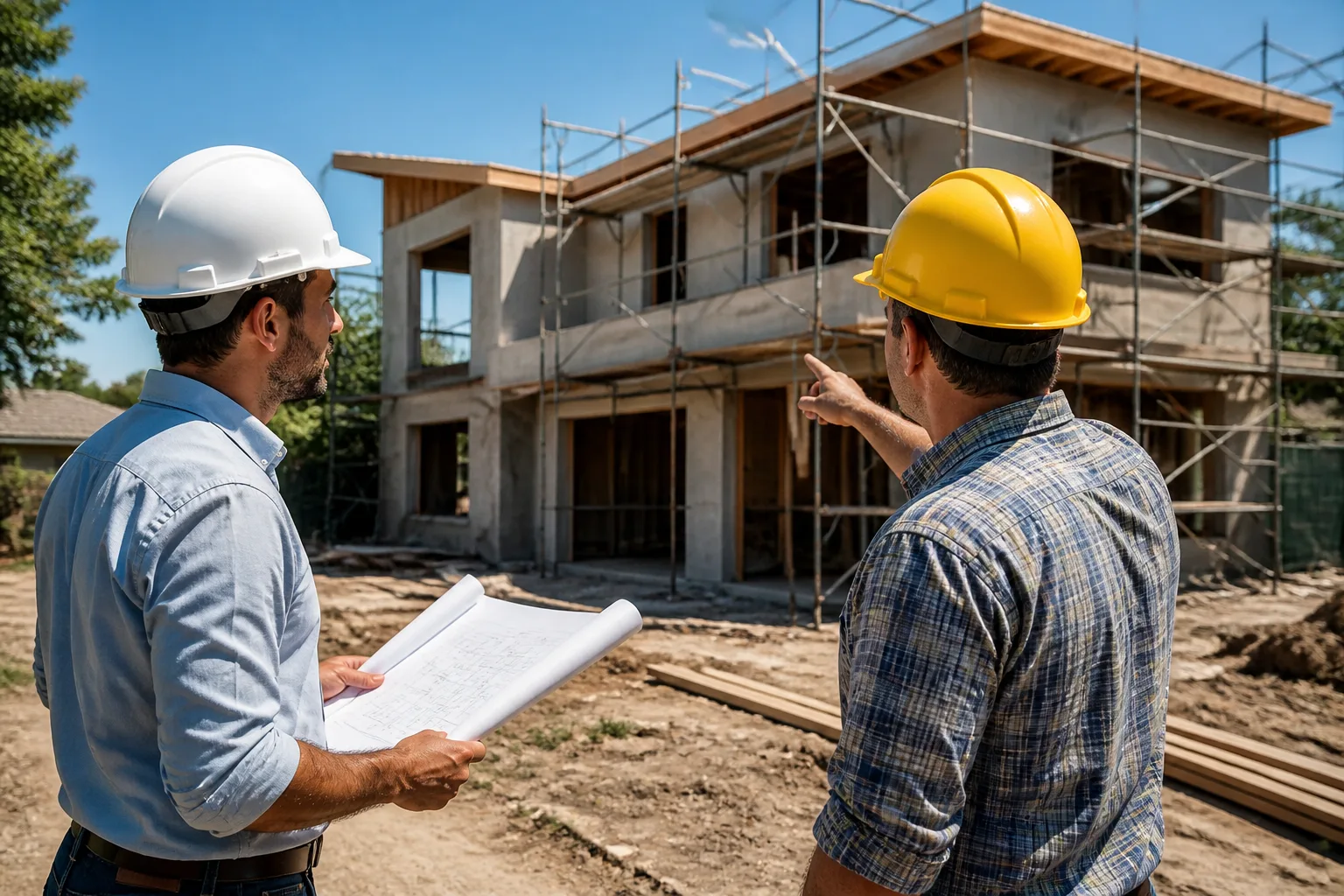
How to Choose the Right Construction Company in Fullerton
When three different contractors touch the same property in the same year, the most common outcome isn’t three successful projects. It’s one contractor whose work created a problem for the next one, and a homeowner stuck in the middle holding the bag. We’ve watched this play out on properties across Fullerton more times than we’d like. The fix isn’t finding a better single-trade contractor. It’s choosing a construction company that can run every phase of your project under one accountable team.
If you’d rather skip the vetting headache entirely, call (844) 834-8322 and talk through your project with someone who can actually coordinate it.
Why cross-trade capability matters more than any single job

The most expensive mistake on a Fullerton property usually isn’t picking the wrong roofer or the wrong cabinet installer. It’s hiring five separate contractors who never talk to each other. When a fence installer sets posts before the paver crew grades a driveway, or a window crew cuts openings that the roofer then has to chase, the homeowner eats the cost of the conflict. Everyone points at everyone else. Nobody owns the fix.
A construction company with real cross-trade scope solves this structurally. One team knows the paver grade meets the fence line, the roof tie-in matches the window head height, and the ADU foundation doesn’t fight the driveway apron. In Fullerton, where lots are tight and many homes sit on older grading, those overlaps are where budgets quietly disappear.
We handle seven service lines under one roof, from driveway & pavers to home additions & ADU, so the coordination problem never lands on you. You choose the brand, we handle the build.
How do you audit a construction company’s real trade coverage?
Ask each company to name, in writing, which trades they perform with their own people and which they subcontract. That single question separates a coordinator from a middleman. Plenty of companies call themselves full-scope but quietly sub out every trade to whoever’s available that week.
- Ask for the trade breakdown. Get it in writing: which scopes are in-house and which are subcontracted.
- Ask who supervises each phase. A real full-scope company has a consistent point of accountability from start to finish, not a new handoff per trade.
- Check the schedule logic. Ask how they sequence a roof replacement alongside window installs. Listen for a real answer about sequencing, not a vague “we’ll figure it out.”
- Ask about material sourcing. Confirm the brands they’ll actually install, not just the ones on a website.
- Ask what happens when trades conflict. The right company owns the overlap and absorbs the fix. The wrong one hands you two phone numbers.
When a company can’t tell you who runs the electrical rough-in versus the cabinet install, you’re about to become the project manager. That’s a job nobody asked for.
Why material consistency across projects affects resale value
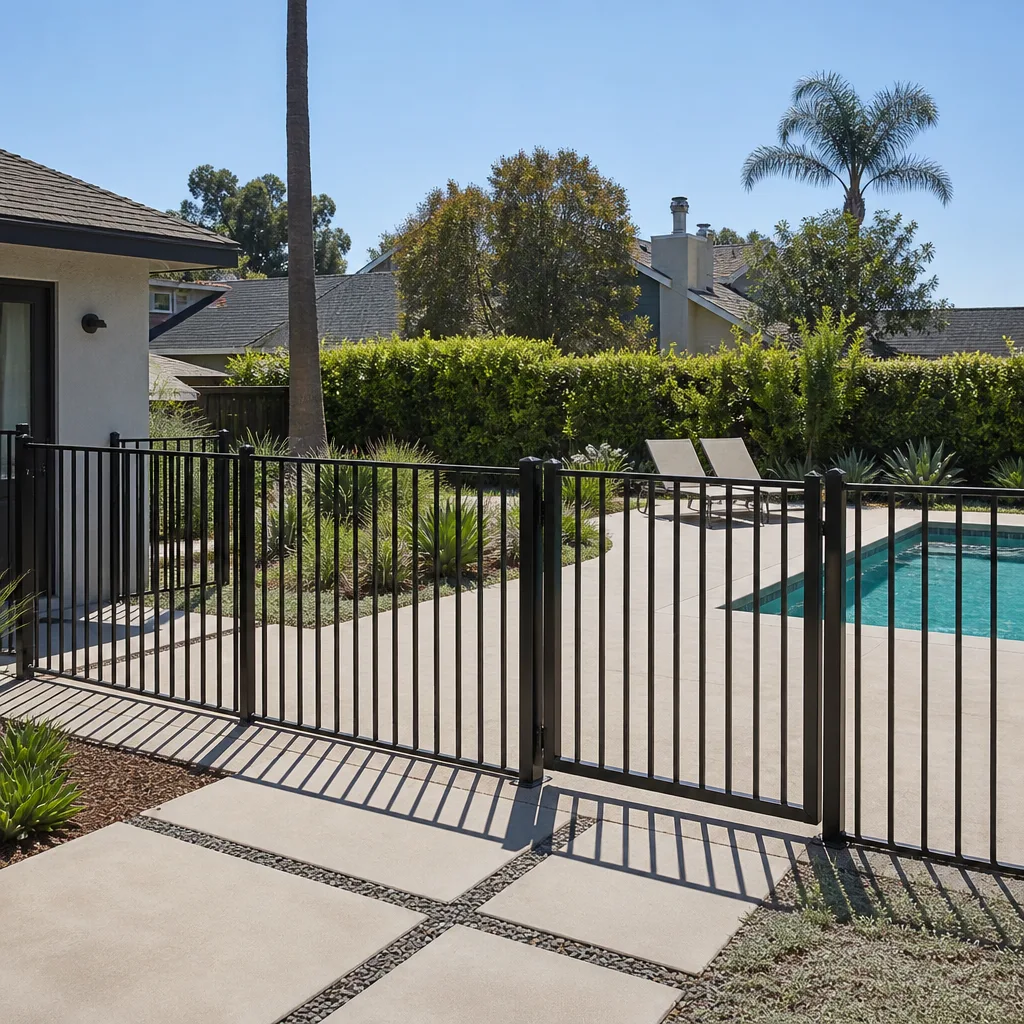
Appraisers and buyers read a property as one coherent thing, not a stack of unrelated projects. When the front fence, the driveway pavers, the window frames, and the roof all look like they belong to different decades and different budgets, the whole property feels dated. Consistent materials across phases read as intentional, and intentional homes hold value in Fullerton’s resale market.
This is where brand depth matters. We specify manufacturer-vetted products across every category, and we let you pick the actual lines. In fencing alone, that means real choices from Barrette, Master Halco, Ameristar, and Jerith depending on whether your property calls for vinyl, aluminum, or ornamental steel. On the roof, it’s the top shingle makers. In the kitchen, it’s Cambria, Caesarstone, or Silestone surfaces paired with Kohler, Toto, Grohe, or Moen fixtures. You shouldn’t get builder-grade defaults dressed up as a choice.
Ask any company a pointed question: “If I’m replacing windows this year and repainting the exterior next year, what finish and trim do you recommend so the two phases match?” A company that stumbles on that answer is thinking job by job, not property by property.
The difference between a general contractor license and a specialty license in California
California issues two broad classes of contractor license: a general building contractor license, which allows a company to take a project involving multiple trades, and specialty licenses, which are limited to a single trade like roofing, fencing, or electrical. The distinction matters because the license determines who can legally run your whole project, not just one corner of it.
For a homeowner with multiple projects on one property, this is the part most people undersell. A roofer licensed only for roofing can’t legally take your whole roof-and-window project. If you hire them anyway and add windows, you’ve just created a compliance gap that can bite you at inspection or resale. For a coordinated project that spans trades, you want a company holding the right license class to run it end to end.
Always verify a company’s license directly with the state contractor board before signing anything. It takes a few minutes, and it’s the cheapest due diligence you’ll ever do. Ask every company you’re considering for their license class and confirm it covers the full scope you need. Our technicians are experienced across every service line, and we’ll walk you through exactly what license class each project requires.
How do Fullerton permit timelines affect your project schedule?
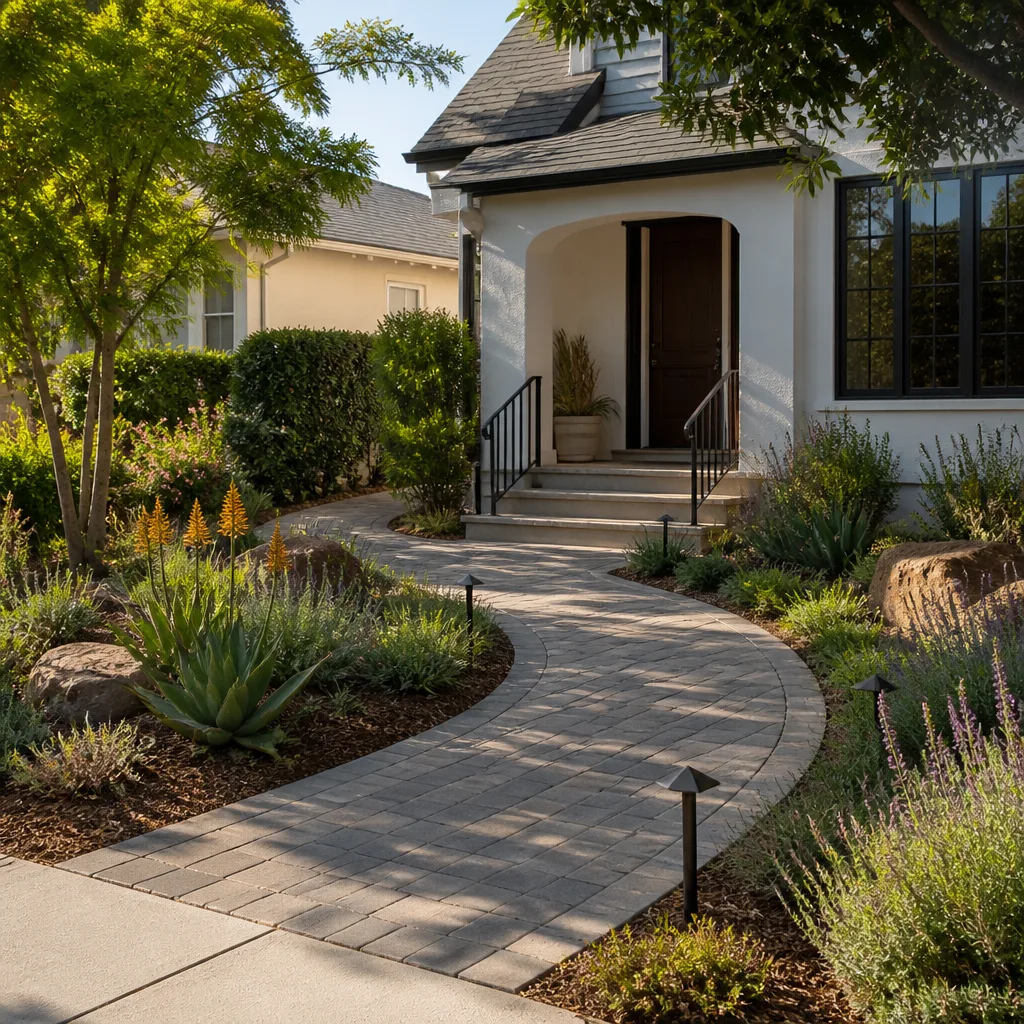
Fullerton permit timelines affect your project more than most homeowners expect. Plan review, inspections, and city scheduling are where schedules stretch. A contractor who knows the city’s process and builds inspection holds into the timeline up front keeps a project on track. One who doesn’t will hand you a schedule that quietly slips a month.
Ask each company three direct questions about Construction Fullerton permit experience:
- “How many permits have you pulled in Fullerton, and which project types?”
- “What’s the typical plan review turnaround you plan around for this scope?”
- “Which inspections will this project trigger, and how do you schedule them?”
The answers should be specific and calm, not a lecture. Anyone who shrugs at “we’ll get the permit” and doesn’t mention inspections is either new to the city or planning to cut corners. Roofing and window replacements usually need permits too, and skipping them is a resale problem waiting to happen. Ask how the company handles the permitting step on every phase of your project, not just the big one.
What a single-company relationship looks like in practice
Many homeowners think managing multiple contractors is normal. On a simple one-trade job, it is. On a coordinated property-wide renovation, it’s a liability. Here’s the practical difference between the multi-contractor model and a single-team approach, laid out plainly.
In the multi-contractor model, you’re the general contractor. You schedule the trades, chase the permits, arbitrate the conflicts, and hold everyone’s paperwork. In the single-team model, one company owns the schedule, the sequencing, the permits, and the accountability. If the window crew has to wait for the roof to be finished, that’s their problem to solve, not a phone call you make.
Single-team accountability also simplifies your paper trail. One written scope, one schedule, one point of contact, one set of warranties. When something needs to be re-done, there’s exactly one party responsible for it. That’s the part of the relationship that actually protects your investment. In our experience, homeowners who plan to renovate in phases benefit most from this model, because the second phase always needs to mate cleanly with the first. If you’re weighing a fence installation alongside a driveway upgrade, a single team can sequence the two around grading and drainage so neither phase undermines the other.
When to call a pro
If your DIY plan involves a ladder, structural work, or a permit, it’s time to call a pro. The same goes for anything that touches the roof, the electrical panel, or a load-bearing wall. Our technicians have up to 14 years of experience across these trades, and they’ll tell you plainly what needs to be licensed and inspected. Call (844) 834-8322 to walk through your project before you commit to a plan.
The Bottom Line
Evaluate a construction company on cross-trade capability, not the single job in front of you. Ask what they do in-house versus subcontract, verify their California license class covers your full scope, ask how they select and source brands, and press them on Fullerton permit experience. Then look for the one team that can hold every phase together so you’re not playing referee between five contractors. If you want to skip the vetting, Construction Fullerton offers free estimates across all seven service lines, from roofing to ADU builds, with brand depth across every category and written line-item quotes. Call (844) 834-8322. We answer 24/7. Fast dispatch from 7am to 7pm, Sunday through Friday.
Frequently Asked Questions
You ask for a written trade breakdown showing which scopes are done in-house and which are subcontracted. A real full-scope company can list every trade and explain the sequencing logic for projects that overlap. A middleman will give you vague answers or send you a list of “partners.” Verify their California license class covers the full project scope, and confirm they’ve pulled permits in Fullerton for the types of work you need. Call (844) 834-8322 if you’d like a straight answer on which trades we run and how.
It avoids the gaps in scope and the conflict costs that appear when separate contractors don’t coordinate. When one team sequences the roof, windows, driveway, and fencing, the overlaps get handled once instead of becoming change orders. Material consistency across phases also protects resale value, because the property reads as one coherent job. Call (844) 834-8322 to talk through a phased renovation and get a line-item estimate.
Yes, because permit experience drives schedule accuracy more than anything else on the job. A company that knows plan review timelines and inspection workflows builds them into your schedule up front. One that doesn’t will hand you a schedule that slips. Ask directly how many Fullerton permits they’ve pulled and for which project types. Call (844) 834-8322 to discuss your project’s permitting needs.
Verify the license class with the state contractor board, confirm the trade breakdown in writing, and make sure every material brand is named in the scope. Ask about schedule and inspection sequencing. Line-item pricing is a good sign because it shows you exactly what you’re paying for. Call (844) 834-8322 for a free, written estimate that spells out every phase.
Written by the team at Construction Fullerton.
Need Construction Help?
Call Construction Fullerton - licensed & insured, here with fast help in Fullerton.
(844) 834-8322