Last updated November 18, 2026





Free written scope consultation - allowances, timeline, and change-order rules on paper before a single trade is scheduled
Driveway & Pavers Maintenance Checklist for Fullerton Homeowners
The most common driveway failure in Fullerton isn’t cracking from weight. It’s polymeric sand washout from the first hard rain after a dry summer, which destabilizes an entire paver field from underneath while the surface still looks fine. The joints erode, the pavers shift a millimeter at a time, and by the time you notice a wobbly corner, the bedding layer is already compromised. Fullerton’s climate makes this predictable: months of intense UV and dry heat, then a sudden soaking. This guide walks through a real maintenance calendar built for that pattern, explains how to read the warning signs early, and covers what changes when your driveway is concrete pavers, travertine, or porcelain.
Quick Answer
Maintaining driveway pavers in Fullerton comes down to four jobs on a repeating cycle: clean the surface two to three times a year, refill polymeric sand whenever joints drop below the paver edge, reseal every 18 to 24 months to protect against UV breakdown, and inspect edge rows and tree-adjacent sections after every heavy rain. Skipping the sand refill is the single most damaging mistake, because it lets water in under the pavers instead of shedding it off.
Styles & brands we work with
- Kitchen remodeling
- Bathroom remodeling
- Home additions & ADU
- Roofing
- Windows & doors
- Driveway & pavers
- Fence
Table of Contents
- Why Fullerton’s Climate Breaks Driveways Differently
- The Fullerton Maintenance Calendar, Month by Month
- How to Tell If Your Paver Sealer Has Failed
- Polymeric Sand: The Joint That Holds Everything Together
- Efflorescence and North Orange County’s Mineral-Heavy Water
- Tree Roots and Edge-Row Heave
- Concrete Pavers vs. Travertine vs. Porcelain
- Common Mistakes to Avoid
- When to Call a Professional
Why Fullerton’s Climate Breaks Driveways Differently
Most paver maintenance advice you’ll find online assumes four distinct seasons and a hard winter. That framework doesn’t fit Fullerton. We don’t get freeze-thaw cycles, so frost heave isn’t a driver of paver failure here. What we get instead is a punishing combination: sustained UV exposure from a long dry season, occasional Santa Ana wind events that push temperatures above 100°F, and then a rainy season that arrives all at once after months of everything drying out.
That sequence does two things to a driveway. First, the UV dries out and degrades the protective sealer faster than in cooler climates, and it dries out the polymeric sand at the surface of every joint. Second, and more important, the ground beneath the pavers shrinks and hardens during the dry months. When the first real rain finally comes, the water doesn’t soak in evenly. It runs off the surface hard, finds every gap where the joint sand has thinned, and drives down into the base. That’s why the failure pattern in Fullerton shows up first at the low corner of the driveway, at the apron where the driveway meets the street, and along any edge where the pavers butt against a planter or a lawn.
In our experience across Fullerton neighborhoods, the driveways that last the longest aren’t the ones installed with the most expensive material. They’re the ones where someone walked the joints once or twice a year with a broom and a bag of sand, and resealed on schedule. The material matters, but the maintenance rhythm matters more.
What Fullerton Readers Usually Get Wrong
The instinct is to treat a paver driveway like a concrete slab. Concrete is a single surface you clean and forget. Pavers are hundreds of individual units with a permeable joint system between them, and that joint system is the part that fails first. Once you start thinking of your driveway as a drainage structure rather than a flat surface, the whole checklist makes sense.
The Fullerton Maintenance Calendar, Month by Month
A generic four-season checklist doesn’t match a Southern California climate, so here’s a calendar built around Fullerton’s actual pattern: dry season, heat spikes, and then the rainy window. Adjust the dates slightly if a particular year runs wet or dry, but the order of operations holds.
- March – full inspection. Walk the entire driveway with a flathead screwdriver or a stiff putty knife. Probe every joint. Anywhere the sand has dropped below the chamfer, note it. Check the edge rows against the soil and check the apron. This is your baseline for the year.
- April – deep clean and pre-season sand refill. Pressure-wash at a moderate setting, let it dry for 48 hours, then refill joints with polymeric sand. Getting the joints full before the dry heat sets in reduces summer washout.
- May – seal if it’s due. If your last sealer application was 18 months ago or more, this is the window. Sealing in moderate weather gives the product time to cure properly before the heat spikes.
- June through August – watch and water lightly. Heat above 100°F can cause a freshly sealed surface to become tacky for a few days, so check the forecast before any application. During this stretch, keep the surface clean of dust and leaf litter and avoid parking hot tires on the same spot repeatedly.
- September – pre-rain inspection. This is the most important inspection of the year in Fullerton. Check every joint, every edge row, and the apron. Fill thin joints before the first significant rain, not after.
- October through February – post-rain checks. After each heavy rain, walk the driveway and look for displaced pavers, sand loss at the low spots, and new efflorescence. Sweep off fallen leaves promptly; wet leaf litter stains and holds moisture against the surface.
- Ongoing – spot checks after Santa Ana events. High wind events deposit dust and fine grit into joints, which can accelerate sealer wear. A quick rinse and a look at the joints after a wind event is cheap insurance.
If you’re deciding whether your existing surface is worth maintaining or replacing, a conversation with a contractor who handles Construction Fullerton helps clarify the math. Sometimes a fifteen-year-old driveway with good bones just needs the checklist run on it.
How to Tell If Your Paver Sealer Has Failed
Paver sealer in Fullerton has a shorter working life than in milder climates because of UV exposure, and the failure is quiet. The sealer doesn’t peel off in sheets. It thins out gradually, starting on the surfaces that face the sun all afternoon, and the first thing that goes is the water beading. If you can’t tell whether your sealer is still doing its job, here’s a simple test.
The Beading Test
- Pour a cup of water slowly onto an open, sun-exposed section of paver in the middle of the driveway and again on a shaded section.
- Watch what the water does. Fresh sealer makes the water bead and roll. A failing sealer lets the water darken the surface and spread out flat.
- Feel the surface a few minutes later. If the pavers under the sun stay dark and damp noticeably longer than the shaded ones, the UV-exposed sealer has broken down unevenly.
- Look at the color. Sealer darkens pavers when it’s fresh. If one band of the driveway looks chalkier or lighter than the rest, that band has lost its coating.
What Happens If You Skip Reapplication Past Two Years
Past the two-year mark, the failure compounds. Once the sealer film is thin, the polymeric sand in the joints starts to erode from the top down under UV and traffic. That sand is what locks the pavers together laterally. As it fades, the pavers begin to move slightly under load, the joints widen, and water has an easier path into the base. This is the point where a simple reseal-and-refill job turns into a partial reset of the paver field, which costs far more than a two-year reseal cycle would have. In Fullerton, plan on the 18-to-24-month cycle and don’t stretch it, especially if the driveway faces south or west and gets hammered by afternoon sun.
For brand-matched materials, a contractor using a manufacturer-vetted sealer designed for the specific paver system will outperform a generic hardware-store product. The chemistry matters, particularly on dense pavers.
Polymeric Sand: The Joint That Holds Everything Together
Polymeric sand is the structural heart of a paver driveway. It’s not decorative filler. It’s a stabilized, slightly flexible joint material that locks pavers to each other side-to-side, blocks weeds, and sheds water off the surface rather than letting it tunnel down into the base. When it’s intact, the whole field behaves like a single surface. When it thins, each paver starts acting alone, and pavers don’t like acting alone.
Signs Your Joints Need Refilling
- The sand level sits a quarter-inch or more below the chamfered edge of the paver.
- You can push a putty knife into a joint more than half its depth without much resistance.
- Weeds are finding their way up through joints that were clean last year.
- You see visible gap at the edges where driveways meet the apron or a planter wall.
- Pavers wobble or rock when you step on them, especially on a hot afternoon.
Why Fullerton’s First Hard Rain Is the Test
After a dry season, the ground under the pavers is compacted and hard. When rain comes, the water can’t soak in through the soil at the same rate it falls, so it runs off the surface fast. Anywhere the joint sand is thin, that rushing water scours the joint further. This is why polymeric sand loss shows up in the October-to-December window and almost never in summer. If you can only do one maintenance task a year, get the joints full before the rainy season starts.
Refilling joints properly is more work than it looks. It requires the joints to be clean and dry to full depth, the sand to be compacted and settled, and the surface to be misted in the right amount at the right time or the polymer won’t activate. A professional driveway & pavers crew has the equipment to do this so it holds through the season. If your joints haven’t been touched in two or more years, that’s the first thing to fix.
Efflorescence and North Orange County’s Mineral-Heavy Water
Efflorescence is the white, chalky haze that shows up on concrete pavers, and in high-mineral-content water areas like North Orange County it’s a recurring visitor rather than a one-off. It’s not dirt and it’s not mold. It’s mineral salts carried up from the base material to the surface by water vapor and deposited as the moisture evaporates. The triggers are water, temperature changes, and the mineral content of the soil and base under the pavers.
The specific pattern Fullerton homeowners see is a bloom of white haze appearing in the days after a rain, concentrated in the sun-exposed traffic areas and along the edges where water pools. It usually fades on its own as dry weather returns. The mistake is to hit it with a pressure washer at high pressure or a heavy acid wash, which can scar the paver surface and make the efflorescence come back faster.
How to Treat It Without Damaging the Surface
- Let the surface dry completely for a few days first. You can’t treat efflorescence on a wet paver.
- Start with a dry brush. A stiff nylon brush removes the surface deposit and gives you a sense of how deep it runs.
- If brushing doesn’t clear it, use a dedicated efflorescence remover designed for concrete pavers, mixed per the label, applied to a small inconspicuous area first.
- Rinse thoroughly and let dry. Don’t over-apply, because excess product pushes more salt into the surface.
- Watch for recurrence. If efflorescence comes back again and again in the same spot within weeks, the source is a moisture problem under the pavers, not a cleaning problem.
Persistent efflorescence in the same location is the driveway’s way of telling you water is getting where it shouldn’t. That’s a base issue and should be inspected.
Tree Roots and Edge-Row Heave
Fullerton has mature street trees, many of them planted in the 1960s and 1970s, and their root systems extend well beyond the drip line. Under a driveway, roots don’t just lift pavers. They create a slow, uneven pressure that shows up as edge-row displacement first, long before the middle of the field moves. That’s why the boundary rows against a planter, lawn, or street tree are the ones to check.
The Early Warning Signs
- The first or last row of pavers along a tree side has begun to lift or tilt, even slightly.
- Joints along the edge run wider than joints in the middle of the driveway, and the polymeric sand keeps eroding no matter how often you refill them.
- The driveway is holding water in a low spot that wasn’t there a few years ago.
- You can see the surface heave by laying a six-foot level across the pavers and running it slowly along the edge.
Root intrusion is a maintenance problem, not a cleaning problem. Once roots have moved the base, cleaning and resealing won’t solve it. What’s required is removing the paver field locally, cutting back the offending roots where that’s safe for the tree, re-leveling and re-compacting the base, then resetting the pavers. If a large street tree is the source and it’s a city tree, you may need to coordinate with the city before any root cutting. Discuss this early rather than compounding the damage with more sand and more sealer.
Concrete Pavers vs. Travertine vs. Porcelain
Three common driveway materials in Fullerton get treated identically by homeowners, and they shouldn’t be. Concrete pavers, natural travertine, and porcelain pavers have different porosity, different reactions to water, and different maintenance schedules. Getting this wrong wastes money and can permanently damage the surface.
Concrete Pavers
Concrete pavers are the most forgiving and the most common in Fullerton. They’re porous enough to benefit from a penetrating sealer and can take a moderate pressure wash. They’re the type most prone to efflorescence because of mineral content in the concrete itself. The maintenance rhythm above – clean two to three times a year, reseal every 18 to 24 months, refill joints before the rain – applies to this material directly. Products like Sakrete polymeric sand are commonly specified for joint refills, and our crews match the product to the paver manufacturer’s recommendation rather than defaulting to one brand everywhere.
Natural Travertine
Travertine is much more sensitive. It’s a natural stone with visible voids and channels through it, and those voids trap water. On an uncovered Fullerton driveway, travertine will stain if the surface isn’t sealed, and it reacts to acid cleaners. Never use an acid-based efflorescence remover on travertine. It needs a penetrating sealer rated for natural stone, applied once it’s fully dry, and resealed more often than concrete – closer to annually in high-traffic zones. It’s also slippery when wet unless the finish is textured.
Porcelain Pavers
Porcelain pavers are the newest of the three and the lowest-maintenance. They’re dense and nearly non-porous, so they don’t absorb water and don’t demand the same sealer cadence. But porcelain is brittle relative to concrete, and the most common failure is chipping at the edges from dropped tools or heavy loads at a single point. Don’t power-wash porcelain at high pressure, don’t chip at its edges, and leave the joint sand maintenance on the same schedule as concrete pavers. Porcelain asks much less of the homeowner, but a chipped edge is a permanent defect, so protect the edges as much as you clean the middle.
If you’re choosing a material because you’re replacing or installing a new driveway, the trade-off is worth discussing with a contractor rather than buying off the shelf. We work with Belgard, Unilock, and Techo-Bloc on paver systems, and matching the maintenance plan to the material from day one saves a lot of unnecessary trouble five years in. Homeowners doing a multi-phase exterior renovation often pair a new driveway with fence installation so the whole exterior is coordinated.
Common Mistakes to Avoid
- Skipping the joint sand refill because the surface looks fine. Visible joints look okay even when the sand has dropped halfway down. Probe them with a knife and you’ll see the truth. The fix is cheap; a reset paver field is not.
- Pressure-washing at high pressure to clean stains. High pressure opens the paver surface and strips the joint sand in seconds. Use a moderate setting and let the cleaner do the work.
- Sealing a wet or dirty surface. Sealer applied over dust or moisture locks in the problem. The surface must be clean and bone dry before any application, and in Fullerton that means waiting at least 48 hours after a wash.
- Treating efflorescence with an acid wash on travertine or porcelain. Acid-based cleaners can permanently etch those materials. Concrete pavers can take a dedicated remover diluted per the label. Travertine and porcelain cannot.
- Ignoring the edge rows after a rain. Edge displacement is the first sign of root heave or base failure. Once a paver lifts or rocks, sand refills won’t hold. Check those rows first every time.
- Stretching the reseal cycle past two years. Fullerton’s UV exposure shortens the sealer’s life. Stretch it and you’ll find yourself refilling joints three times as often and eventually paying for a partial reset.
- Using generic sealers on a specific paver system. Brands like Belgard and Techo-Bloc publish maintenance requirements for their own materials. Match the sealer to the manufacturer’s spec, not whatever the hardware store had on sale.
When to Call a Professional
Most of this checklist is manageable for a careful homeowner. Certain situations aren’t. Call a professional if pavers are rocking underfoot or lifting at the edges, if efflorescence keeps returning in the same spot after a proper cleaning, if water is pooling in a low area that’s new, or if the base beneath the pavers has softened. Root-related heave requires cutting, re-compacting and resetting the field; that’s not a maintenance task, it’s a repair. Full driveway replacement, base failure, and resealing a large surface all benefit from the manufacturer’s spec and the right equipment. Construction Fullerton offers free estimates in Fullerton – call (844) 834-8322. We answer 24/7. Fast dispatch from 7am to 7pm, Sunday through Friday.
See the difference
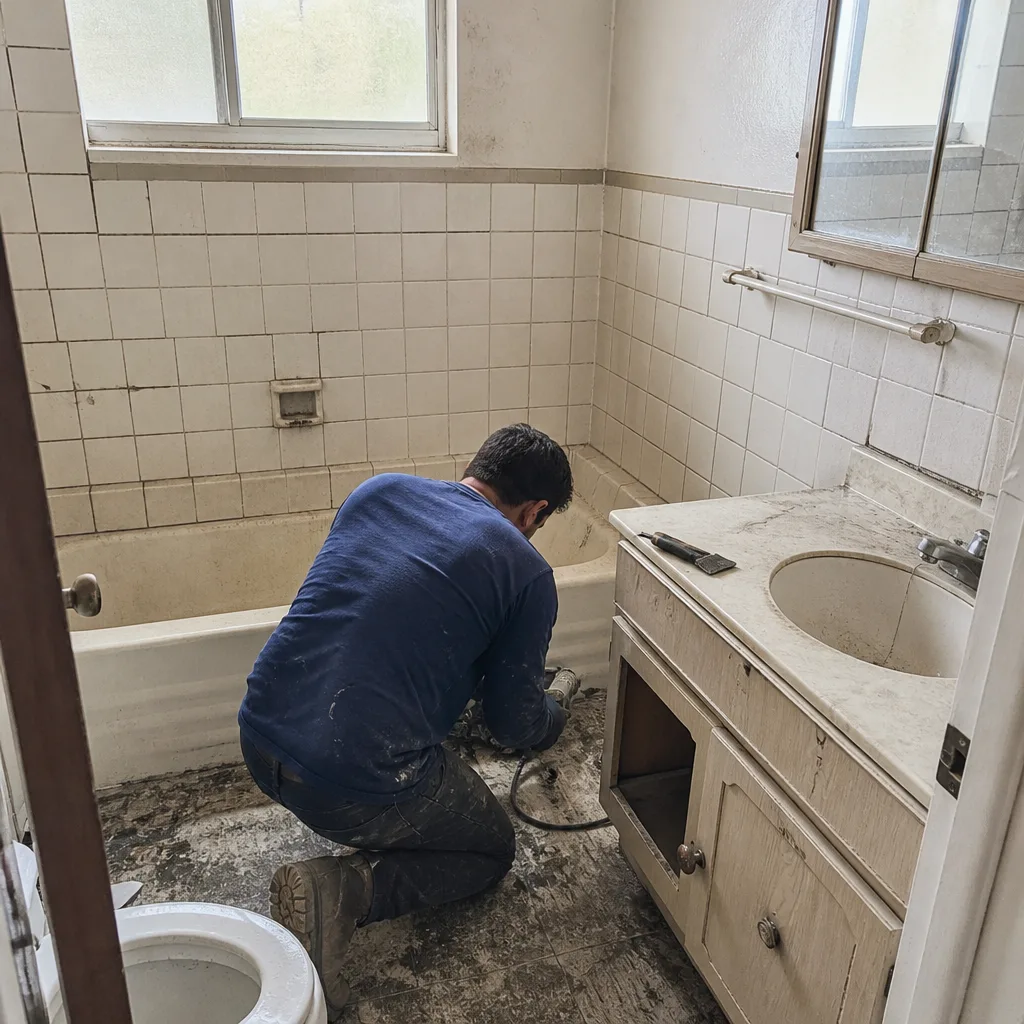 Before
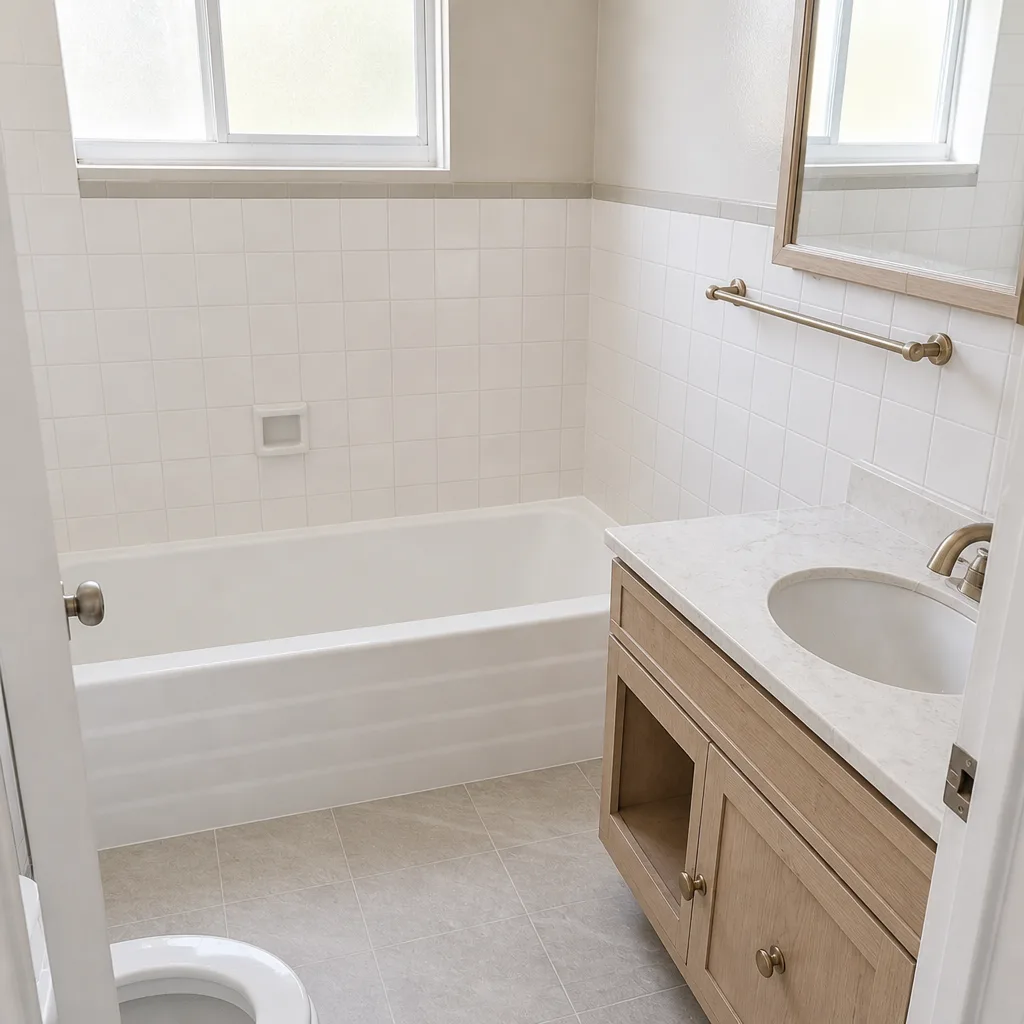 After
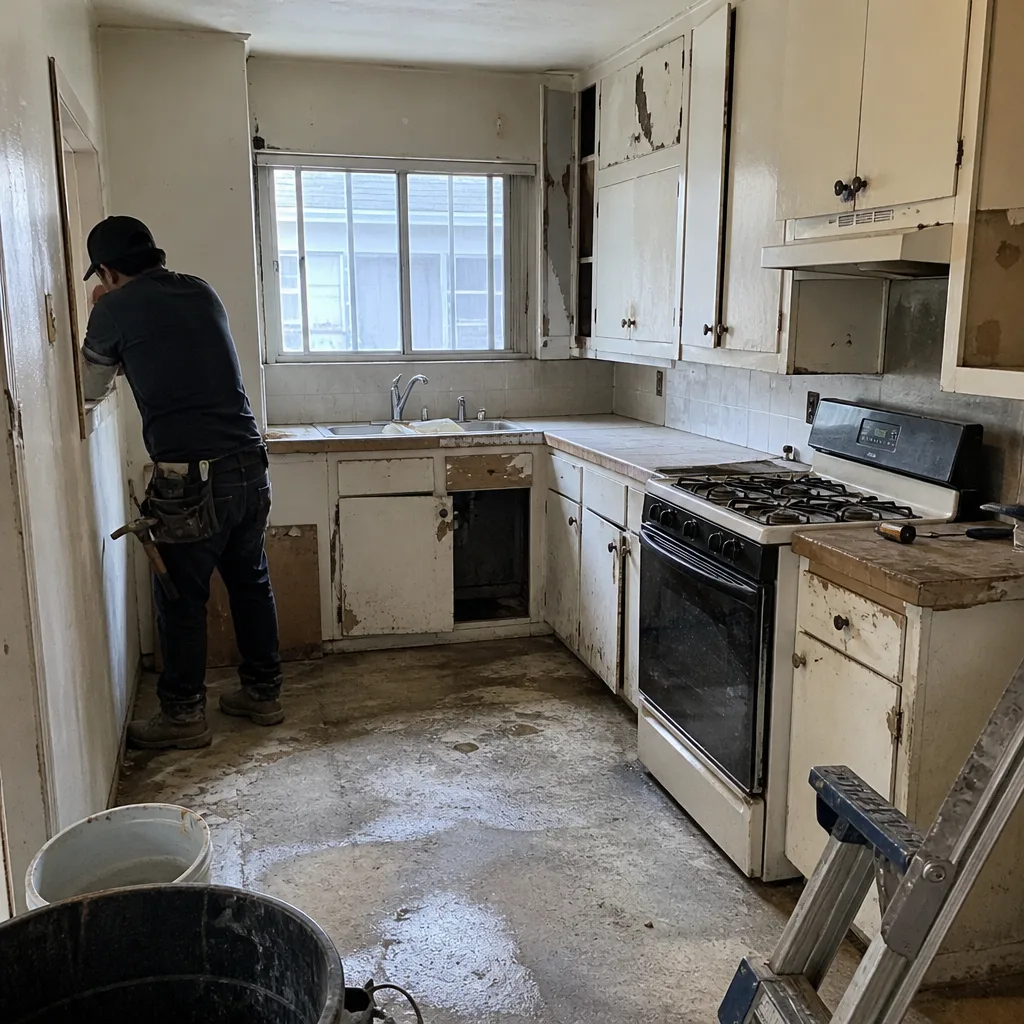 Before
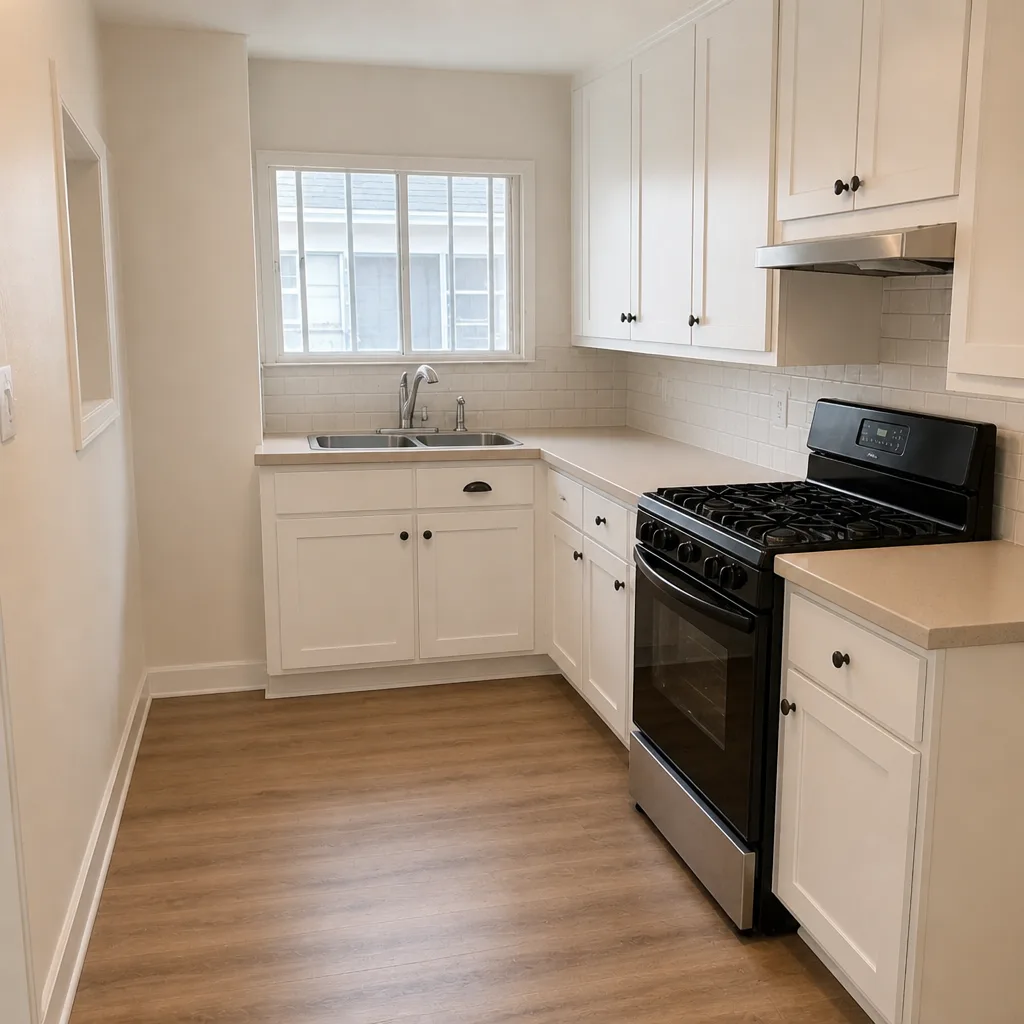 After
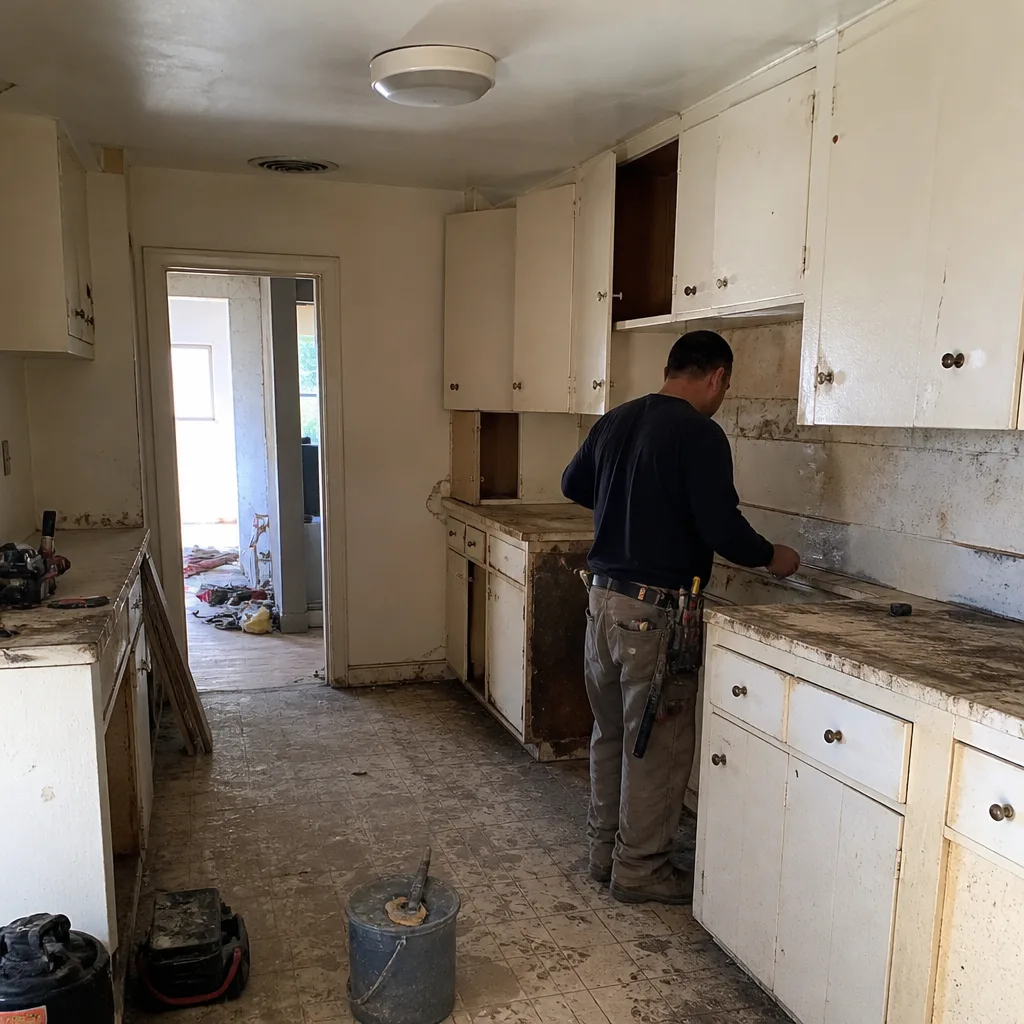 Before
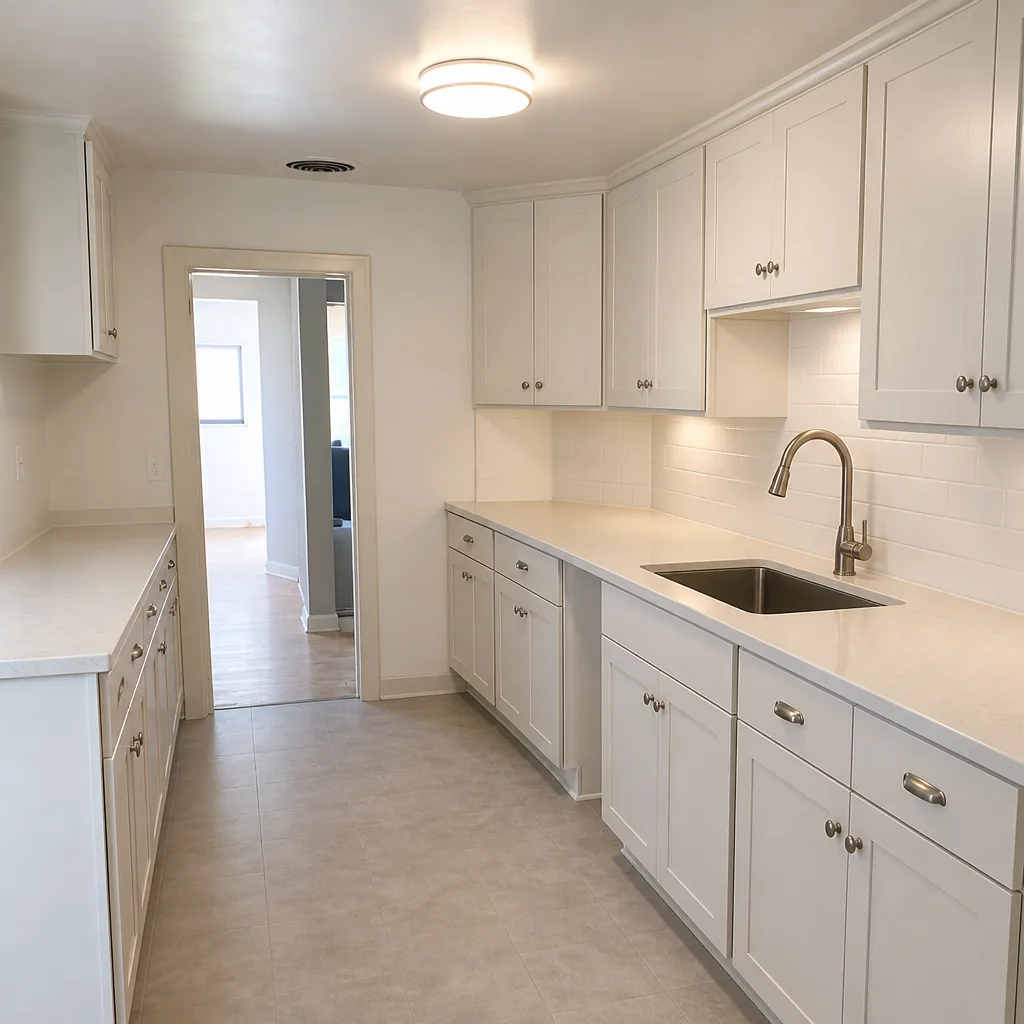 After
Frequently Asked Questions
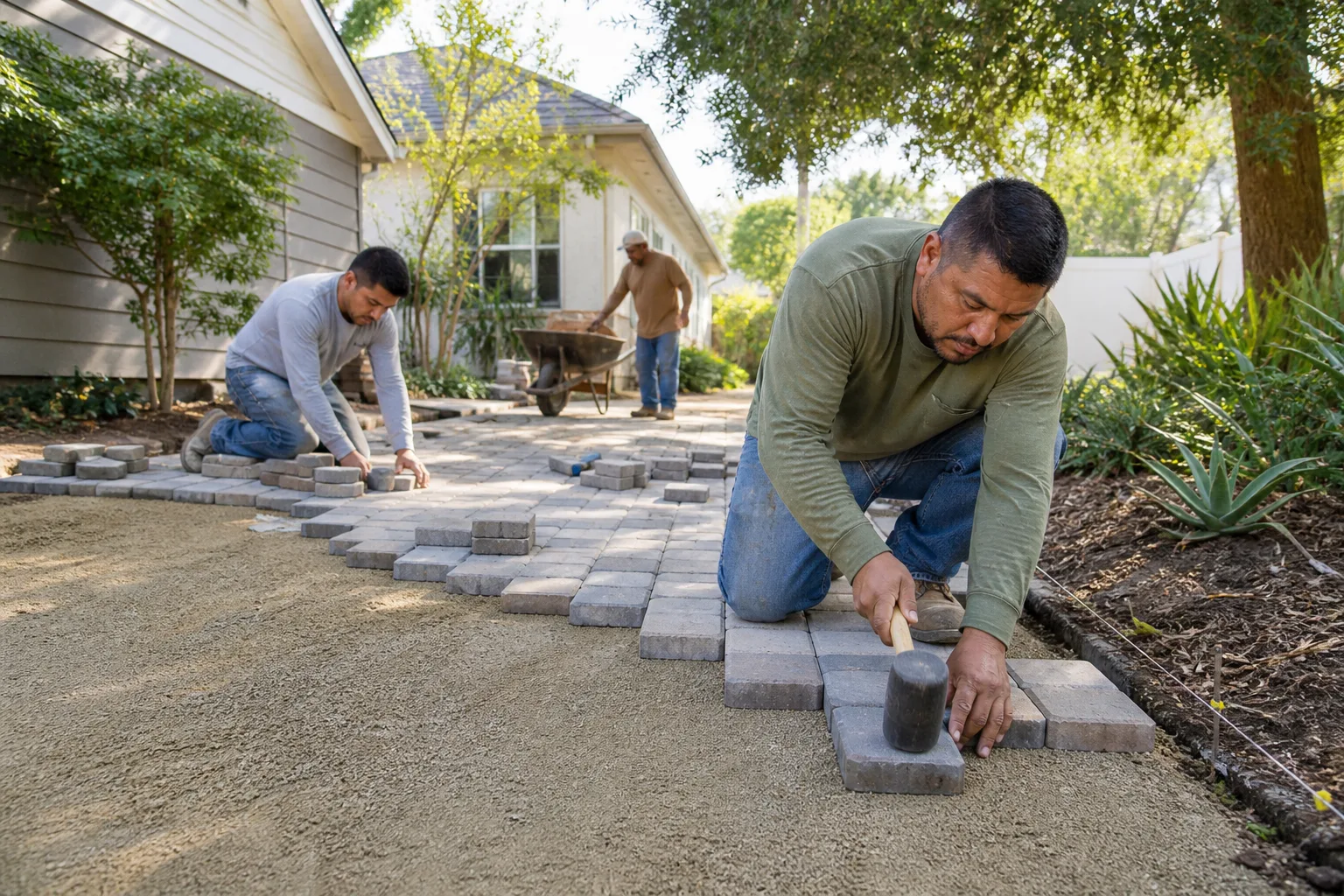
Plan on a full joint sand refill once a year, timed before the rainy season in September or October, with spot refills after any heavy rain. Fullerton’s dry summer thins the polymeric sand at the surface, and the first hard rain is when the washout happens. Check the joints with a knife in late summer and refill wherever the sand sits below the chamfered edge. Call (844) 834-8322 for a free estimate if a wide section has gone thin.
Every 18 to 24 months, and don’t stretch it. UV exposure is the biggest driver of sealer breakdown in Fullerton, and after the two-year mark the joint sand starts to erode more quickly. The beading test tells you if the sealer is still doing its job. If water beads, you’re fine; if it soaks in and darkens the pavers, it’s time to reseal. Using a sealer matched to your paver brand extends the cycle.
That’s efflorescence, mineral salts carried to the surface by moisture and deposited as it dries. It’s common on concrete pavers in North Orange County’s mineral-heavy water areas and usually fades on its own. Brush it when dry first. If it keeps returning in the same spot, the source is water under the pavers from a failed joint or base issue, not a cleaning problem. Call (844) 834-8322 if it recurs within weeks of a proper cleaning.
Very likely, if you have a mature Fullerton street tree near the driveway and the first or last row is lifting while the middle stays flat. Root pressure shows up in the edge rows first. Non-invasive checks: run a level along the edge and look for dips or lift, and feel for joint widening at the boundary. If roots are confirmed, the repair requires resetting the affected base, which is a professional job. Call (844) 834-8322 for a free estimate.
No. Concrete pavers tolerate a moderate pressure wash, a penetrating sealer, and a dedicated efflorescence remover. Travertine reacts badly to acid and needs a stone-specific sealer applied more often. Porcelain is dense and low-maintenance, but brittle, so it doesn’t want a high-pressure wash. Match the product and technique to the material every time. Call (844) 834-8322 if you’re unsure which material you have.
No. On a paver repair or reseal, the written estimate sets the price. If a contractor discovers additional base damage or root intrusion that wasn’t visible at the inspection, they should stop, explain the scope change, and issue a revised written estimate before doing more work. Fixed pricing on the scope in the estimate is how a real paver job should run. Call (844) 834-8322 for a free, written, line-item quote.
That depends on the scope and your city’s building department. Many Fullerton driveway replacements and any work that touches the apron or street connection may require a permit or a city encroachment review. Ask your contractor to confirm the requirement in writing before the project starts. Our process includes pulling whatever permits the job requires and passing the associated inspections. Call (844) 834-8322 for a free estimate.
With the maintenance rhythm described in this guide, a well-installed concrete paver driveway will hold its structure for many years. Without joint sand maintenance and resealing, you can expect surface failures and shifting much sooner. The material gives you the potential; the maintenance delivers it. If you’re considering a larger exterior project, our home additions & ADU team coordinates with the driveway and hardscape work so the property is handled in one sequence rather than piecemeal.
The Bottom Line
Fullerton’s climate has a specific signature: long dry UV pressure, heat spikes, then rain that arrives all at once. Pavers don’t fail because of weight or age. They fail when the joint system thins out, letting water tunnel under the surface while the driveway still looks fine. Run the calendar: inspect in spring, clean and refill joints before the rainy season, reseal every 18 to 24 months, and check the edge rows after every storm. Match the maintenance to your material, whether that’s concrete pavers, travertine, or porcelain. Full-scope help is one call away. Construction Fullerton provides free estimates in Fullerton – call (844) 834-8322. We answer 24/7. Fast dispatch from 7am to 7pm, Sunday through Friday.
Written by the team at Construction Fullerton.