Last updated November 18, 2026



Free written scope consultation - allowances, timeline, and change-order rules on paper before a single trade is scheduled
Choosing the Right Construction Brand: A Buyer’s Guide for Fullerton
A shingle rated for 130 mph wind uplift sounds like all the proof you need. Then you read the installation spec: that number assumes a specific nailing pattern, and a crew that cuts corners by spacing fasteners looser puts the homeowner outside the warranty before the first Santa Ana wind event. The brand printed on the wrapper matters far less than whether the crew installs to the spec sheet and whether the manufacturer will actually honor a claim in Orange County. That gap between marketing and enforceability is what this guide is about. You’ll learn how to read a warranty, compare roofing systems for Fullerton’s climate, tell contractor-grade from big-box product, and ask the questions that expose a brand substitution before it costs you.
Quick Answer
The right construction brand for a Fullerton project is the one whose product specs match our inland Southern California climate, whose warranty is enforceable through a regional service presence here, and whose installation requirements your contractor will follow to the letter. Prestige labels mean nothing if the installer skips the spec or the manufacturer won’t stand behind a claim in California. Choose brands for performance and warranty support first, and let the look come second.
Styles & brands we work with
- Kitchen remodeling
- Bathroom remodeling
- Home additions & ADU
- Roofing
- Windows & doors
- Driveway & pavers
- Fence
Table of Contents
- How do manufacturer warranties actually work?
- Roofing brands compared for Fullerton’s climate
- Contractor-grade vs. big-box pavers and concrete
- Why matched product systems across trades matter
- The questions to ask about brand substitution
- How Fullerton’s climate and code shape brand choice
- A step-by-step way to evaluate any brand
- Common mistakes to avoid
How Do Manufacturer Warranties Actually Work?
A “limited lifetime” warranty is limited in ways most homeowners discover only after a failure. The phrase usually means the material is covered for as long as you own the home, but labor, tear-off, and disposal are typically excluded, and the payout often prorates or covers replacement material only. That’s not dishonesty. It’s a materials warranty, not a guarantee that the whole job gets redone for free.
What voids coverage matters more than what it covers. The most common voids are improper installation, failure to register the product, and work done by someone who isn’t a qualified installer. A warranty can also be voided by mixing components the manufacturer never tested together, which is why matched systems come up again later in this guide. Read the exclusions before you assume the headline number protects you.
The part that trips people up in Fullerton is enforceability. A national brand with no regional warranty presence can leave you mailing photos to a call center and waiting on an inspector who may not travel to Orange County quickly. In our experience, brands that maintain a Southern California field presence and a local distributor network resolve claims faster because someone can physically look at the roof or the paver field.
What to check on any warranty
- Material vs. labor: is the coverage for product only, or does it include the workmanship of removal and reinstall?
- Registration deadline: many warranties require online registration within a set window and lapse if you miss it.
- Transferability: can the warranty pass to a buyer if you sell? Good for resale value.
- Regional service presence: does the manufacturer have field support in Southern California, or only a phone line?
- Void triggers: which installation shortcuts or component substitutions cancel the whole thing?
The practical lesson: pick brands whose reps will back a claim locally, and use a contractor who documents the install so the warranty can’t be denied on a technicality.
Roofing Brands Compared for Fullerton’s Climate
Fullerton sits in IECC Climate Zone 3B, a warm, dry zone with intense summer sun and the seasonal Santa Ana winds that push hot, dry air through the valley. For a roof, the two stressors that matter most are UV exposure, which degrades asphalt over time, and wind uplift, which tests whether the fasteners and shingles hold as a system. Hail is uncommon here, so a shingle’s hail rating is a weak reason to pick one brand over another.
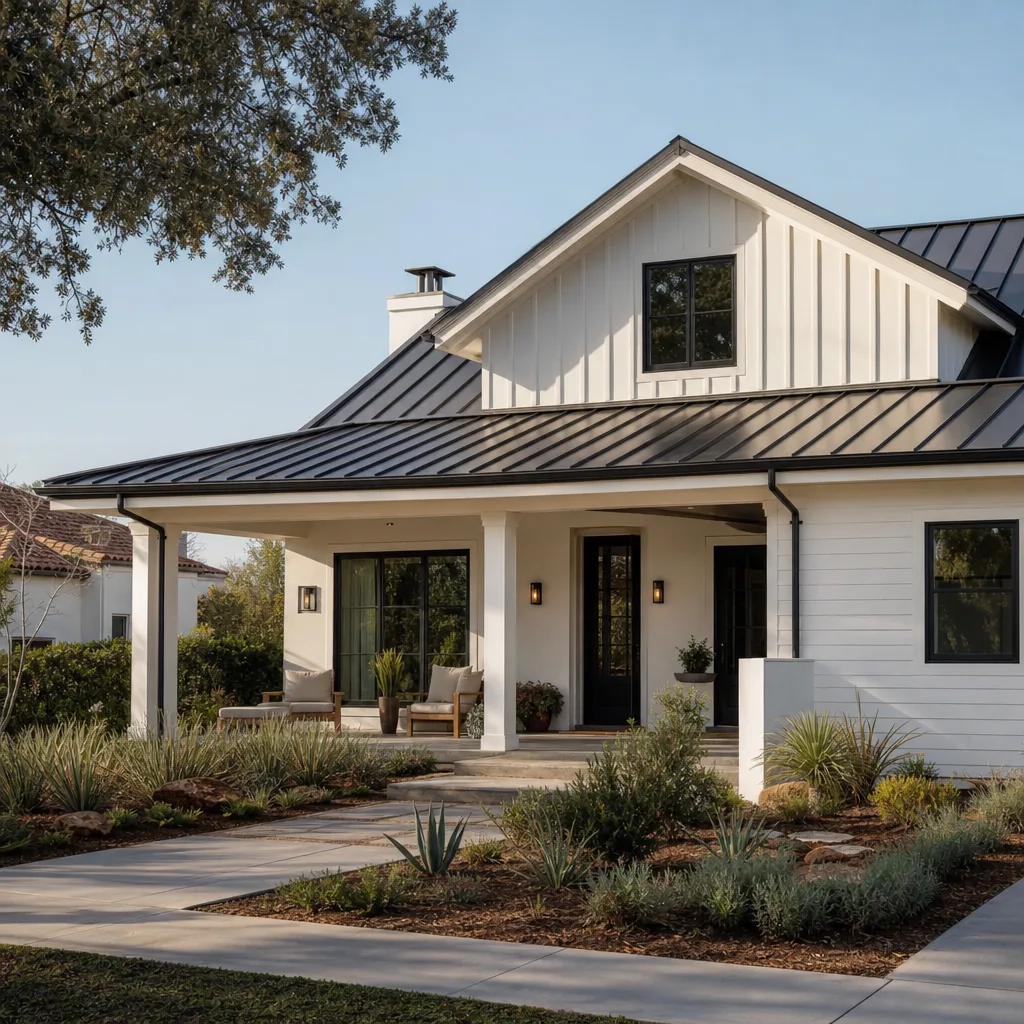
On the brands we work with, GAF, Owens Corning, and CertainTeed each publish wind and UV performance data and each maintain distributor and field support in Southern California. That regional backup is half the decision. The other half is whether the installer follows the manufacturer’s nailing pattern and underlayment spec, because the wind rating is a system rating, not a property of the shingle alone.
How the major lines tend to compare
- Owens Corning: well-regarded for consistent shingle quality and a strong dealer network that supports warranty registration.
- GAF: broad system options (shingle, underlayment, ridge vent, starter) that let you build a matched roof system rather than mixing parts.
- CertainTeed: solid performance data and a long product line, useful when you want one manufacturer across a large area.
- IKO, Atlas, Tamko, Boral: other lines we work with, worth comparing when the spec and regional support fit the project.
Nail spacing is where the wind rating lives or dies. A shingle rated for high uplift on a spec sheet needs the fasteners placed where the manufacturer says, at the depth it specifies, in the pattern it specifies. That’s not something you can verify from the ground. It’s something you build into the contract by asking the contractor to install to spec and to leave the manufacturer’s documentation behind.
For a full-property project that pairs roofing with other work, we coordinate the phases so the roof isn’t fighting a schedule with the exterior and interior trades. Our Construction Fullerton team handles those multi-phase jobs as one scope rather than a series of disconnected visits.
Contractor-Grade vs. Big-Box Pavers and Concrete
The paver on a big-box shelf and the paver a contractor specifies often come from different manufacturing runs, even when the brand name matches. Contractor-grade lines are made to a higher density and color-through standard, so they resist fading and surface wear longer under Fullerton’s sun. The packaging won’t tell you which is which. The manufacturer’s product data and the supply channel will.
What separates the two at the manufacturing level isn’t just price. It’s pigment, compaction, and consistency of the surface layer. Color that runs through the body of the paver holds up better than a surface-applied tint. Denser units resist chipping and the small movements that open joints. And a brand with a real distributor network keeps the same dye lot and size available for later repairs and additions, so a driveway expanded two years from now still matches.
Brands we specify for hardscape in 2026
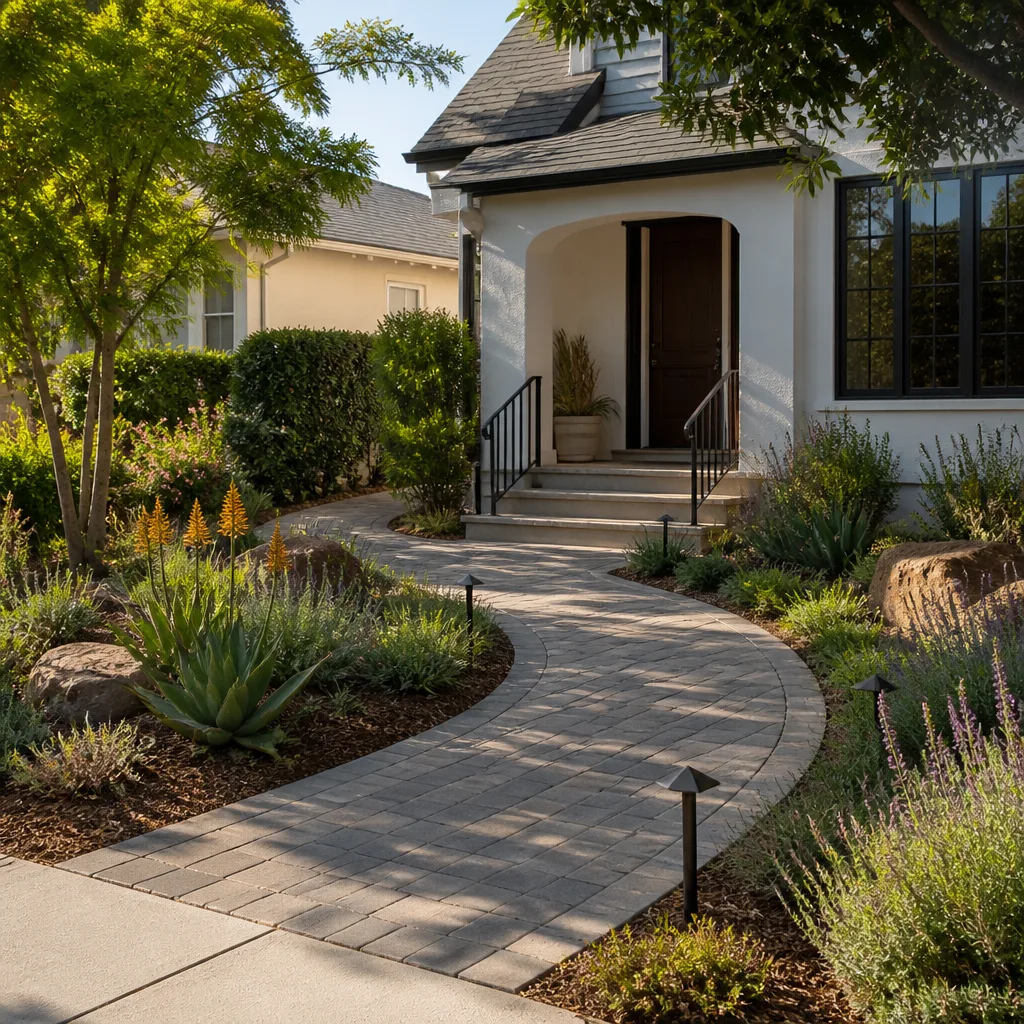
Different products suit different properties and HOA requirements, so we match the line to the job rather than pushing one label. Belgard, Unilock, Techo-Bloc, and Tremron each offer product lines built for Southern California conditions, and each has distributor support that keeps replacement units available. When a driveway or patio is part of a larger plan, our driveway & pavers work ties the hardscape to the rest of the property so the finish, grade, and drainage all work together.
- Belgard: wide range of styles and strong availability, good for homeowners who want to match an existing look.
- Unilock: durable units with a well-documented installation guide, which matters for warranty support.
- Techo-Bloc: design-forward options when the paver drives the look of the front yard.
- Tremron: solid Florida-rooted line with expansive paver and wall options now widely distributed.
Ask your contractor which specific product line they’re specifying and why, not just the brand. “Belgard” covers dozens of products with different thickness, finish, and performance specs.
Why Matched Product Systems Across Trades Matter
A roof is a system: shingle, underlayment, flashing, ridge vent, starter course. When all of those come from one manufacturer and are installed to that manufacturer’s spec, the warranty covers the whole assembly. When pieces are mixed from different brands, each manufacturer can point at the other when something fails, and you’re the one holding the problem.
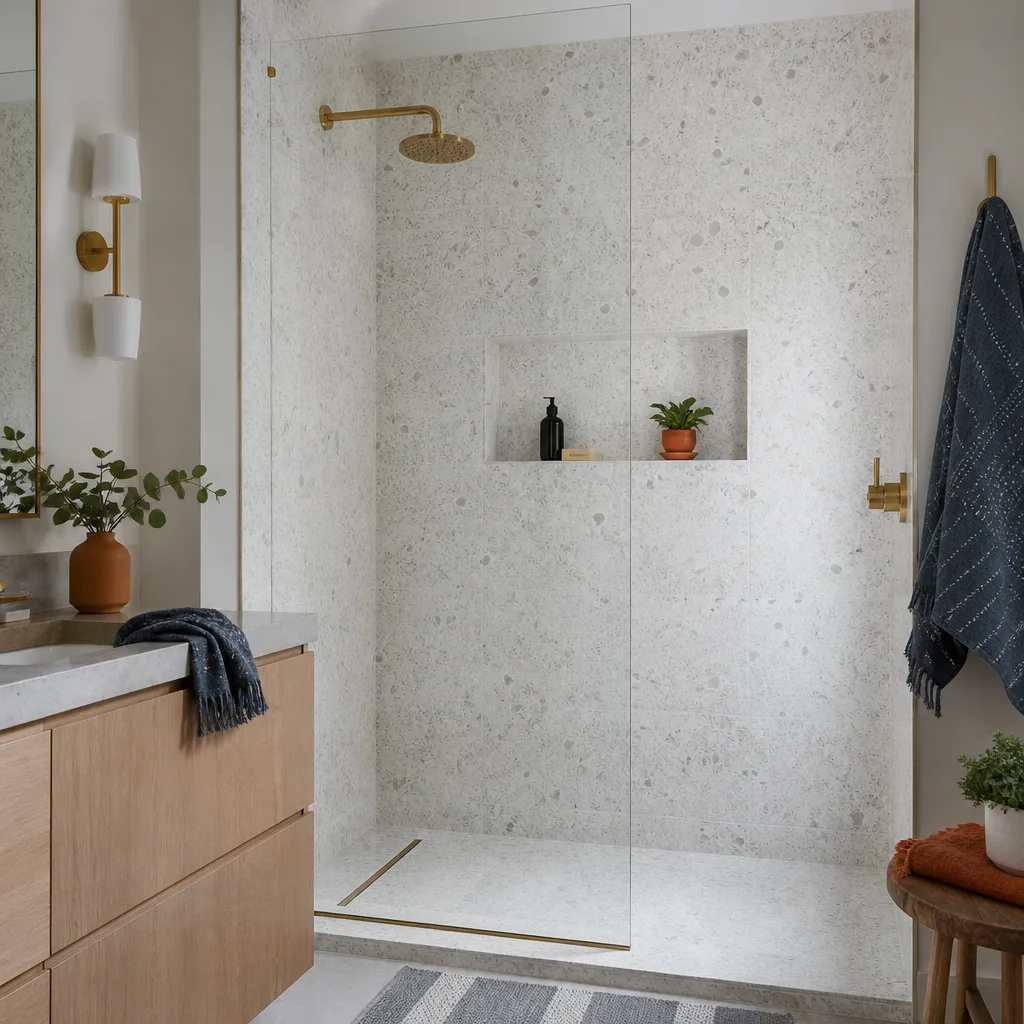
The same logic runs through every trade in a Fullerton home. Bathroom remodeling with Kohler, Toto, Grohe, and Moen fixtures benefits from matched trim and rough-in components, because the warranty coordination is simpler when the plumbing brand is consistent. Kitchen remodels with Cambria, Caesarstone, or Silestone countertops pair with KraftMaid or Wellborn cabinetry so the countertop installer and cabinet maker aren’t arguing about who owns a gap. Windows and doors installed as a matched system seal and drain better than a mix.
How brand consistency protects you
- One warranty path: when a failure happens, there’s one manufacturer to call, not three pointing fingers.
- Tested compatibility: components from one system were tested together, so the water management and fastening details are known to work.
- Fewer spec gaps: a matched system leaves less room for an installer to improvise a detail that undermines performance.
- Easier inspections: a consistent spec is easier to document and defend if a warranty claim ever comes up.
This is where full-scope coordination earns its keep. A roof plus windows plus a kitchen on one property is a set of decisions that affect each other, and choosing brands that speak the same language across all of them keeps the project from fragmenting into disconnected pieces. Our home additions & ADU work uses the same discipline: whether the addition is stick-built or a prefab system from a modern manufacturer, the enclosure, glazing, and finishes are chosen as a set.
The Questions to Ask About Brand Substitution
Substitution is not always bad. Sometimes a specified product is discontinued, backordered, or genuinely outperformed by an equivalent, and a good contractor tells you that up front. The problem is the substitution that happens quietly, after the bid, when a cheaper unit slides in where the spec called for the one you chose. That shift transfers the risk of a lower-grade product to you.
Ask these questions before you sign, so substitution never catches you off guard.
- Will you list the exact product line, not just the brand, in the written estimate? A line like “paver” or “shingle” is too vague. Get the specific model.
- What happens if that product becomes unavailable mid-project? Get the process: who proposes the substitute, who approves it, and whether pricing changes.
- Will you give me the performance data and warranty for any substitute? If it’s a true equivalent, the numbers will say so.
- Does swapping components affect my warranty? Mixing brands can void a system warranty, so this question protects you.
- Who signs off on a change order, and is any substitution written down? Nothing happens without your written approval.
A legitimate equivalent comes with documentation: the same or better spec, a warranty that still applies, and a clear written change. A margin play comes with a shrug and a verbal promise. Trust the paperwork.
How Fullerton’s Climate and Code Shape Brand Choice
Climate Zone 3B tells you what a product will actually endure here: hot, dry summers, high sun exposure, and the wind events that push through the valley. A paver tinted to fade in strong UV will look dull in a few seasons no matter the brand. A shingle without solid UV-grade asphalt will age faster than one built for it. These are performance questions, not aesthetic ones.
Local code and permitting add another filter. Roofing on many Fullerton homes follows local building department requirements for underlayment and fastening, and a brand whose spec sheet matches those requirements is easier to inspect and pass. Windows and doors need to meet the energy and safety standards the local authority applies. Fencing on a property with HOA rules or shared lot lines has its own constraints. When you pair a brand with strong technical documentation with a contractor who pulls the permits and passes inspection, the brand choice holds up through the review.
What this means in practice
- Choose roofing brands with documented UV and wind performance, installed to the manufacturer’s nailing and underlayment spec.
- Choose hardscape brands with color-through color and distributor support for future additions.
- Choose windows and doors with systems rated for local requirements, not just a look.
- Choose fence lines built for durability and, where HOA or lot lines apply, documented compliance.
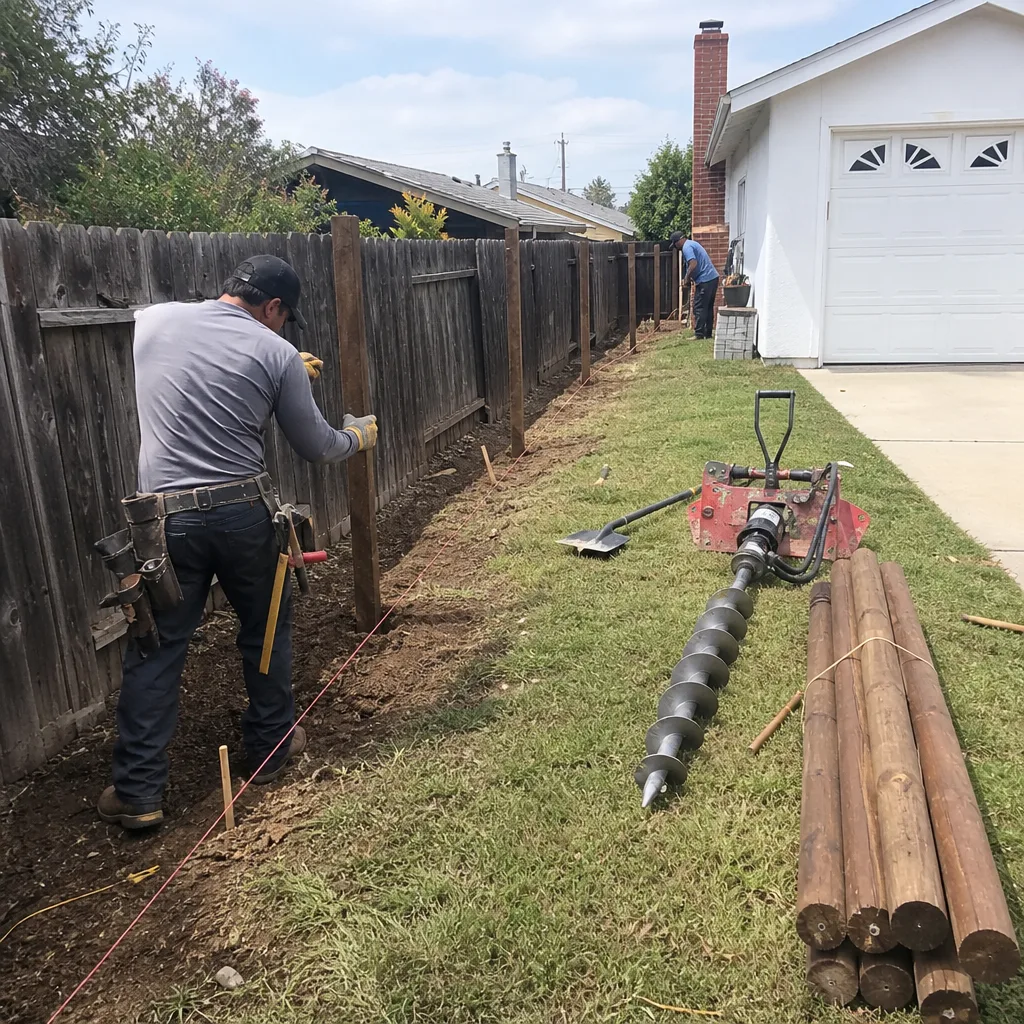
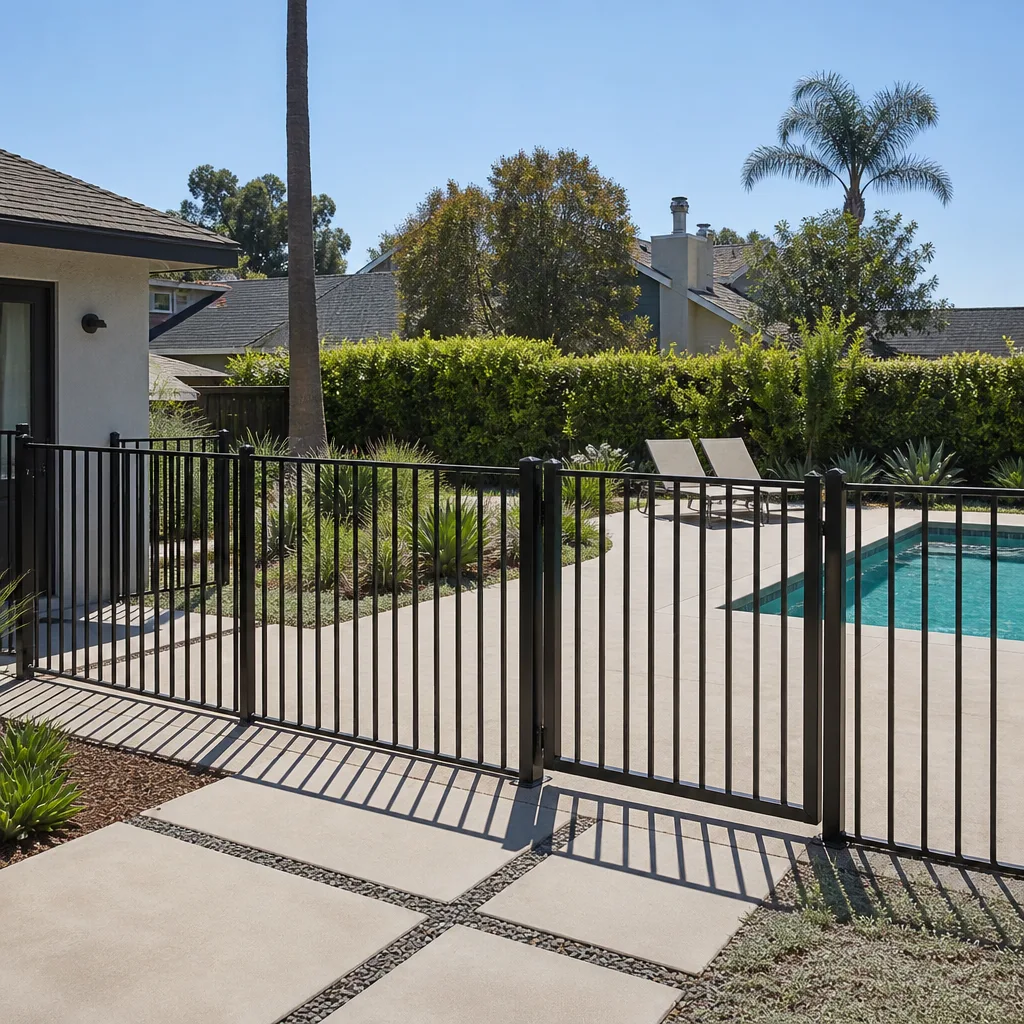
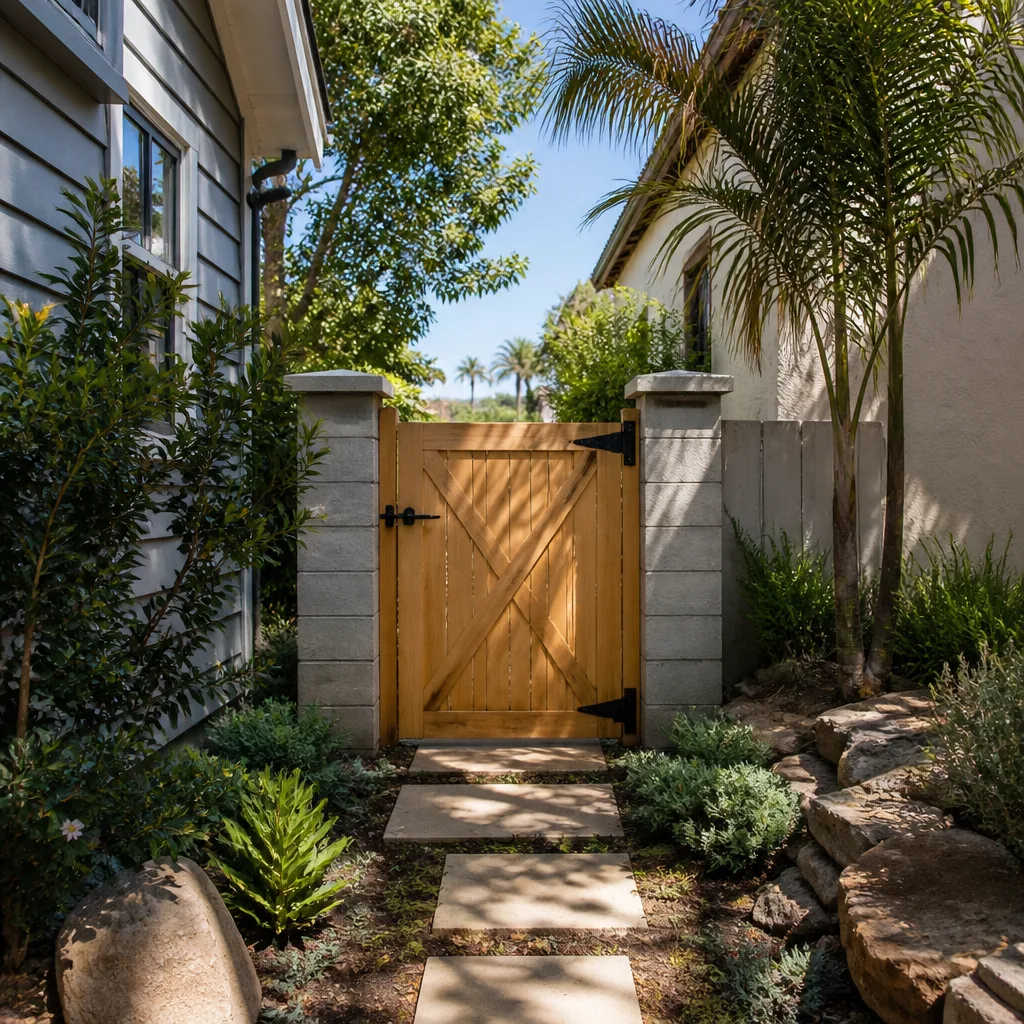
Fencing and enclosure work has its own brand discipline. Vinyl, aluminum, and ornamental lines from Barrette, Master Halco, Jerith, Bufftech, and ActiveYards each offer different wind ratings and finish durability, and matching the material to the property and its rules is the whole decision. Our fence installation work starts from those specs, not from whatever is easiest to source.
A Step-by-Step Way to Evaluate Any Brand
Before you approve a single product, run it through the same short evaluation. It takes a few minutes and it filters out brands that look good on a showroom wall but can’t stand behind a claim here.
- Check the performance data. Ask for wind uplift, UV resistance, or durability ratings as applicable, and confirm which installation method the rating assumes.
- Read the warranty exclusions. Identify what voids coverage (installation method, registration, component mixing) before you assume you’re covered.
- Confirm regional service presence. Does the manufacturer have a Southern California field presence or distributor support that can respond to a claim?
- Verify the installer follows the spec. Ask what nailing pattern, underlayment, or setting method the brand requires, and confirm your contractor installs to it.
- Check the supply channel. Confirm the product comes through a manufacturer-authorized channel, not a liquidation or surplus source that may not honor the warranty.
- Confirm the exact product line. Get the model on the estimate and confirm it before the material is ordered.
Do this for roofing, hardscape, windows, cabinetry, plumbing fixtures, and fencing, and you’ll have a spec sheet that protects you at every stage. That’s what “built to spec, not to budget shortcuts” means in practice.
How Fullerton’s Multi-Phase Homes Fit Together
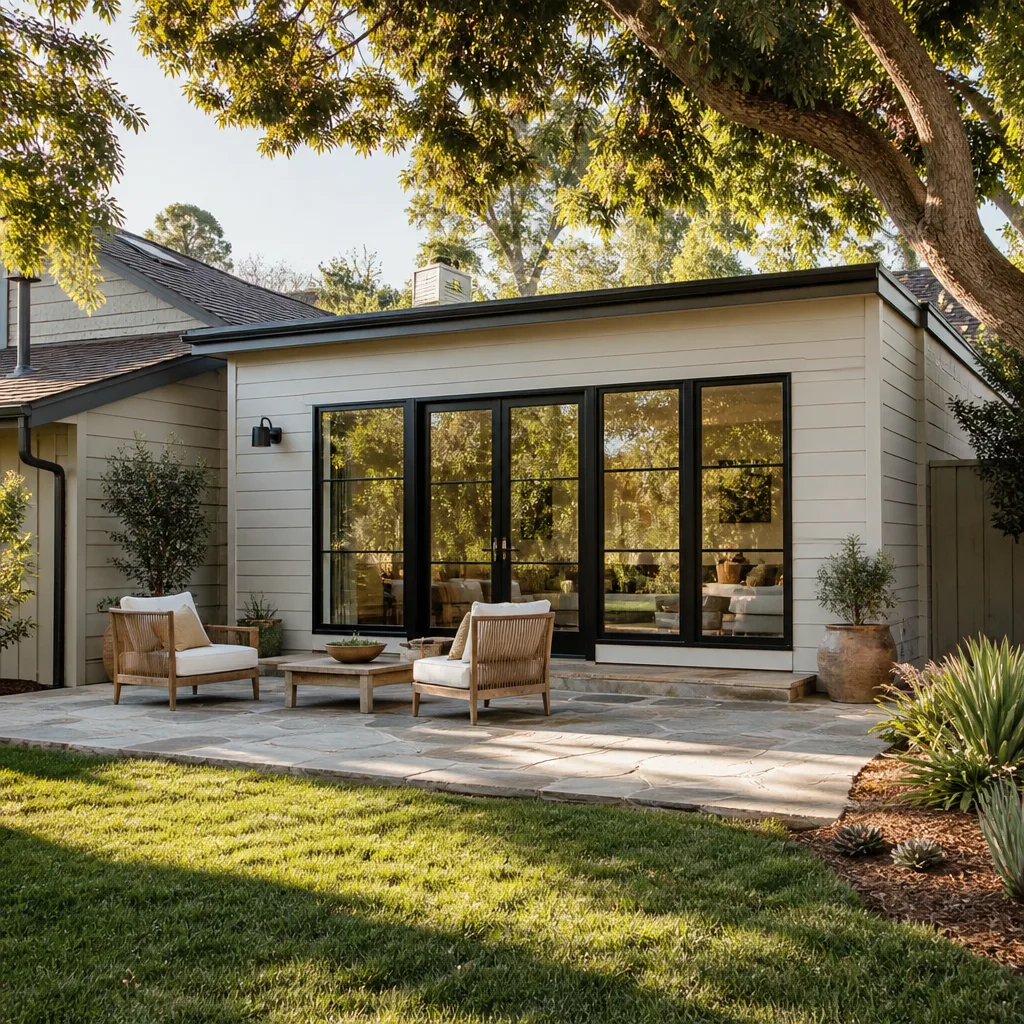
Most of the homeowners we meet in Fullerton aren’t doing one trade. They’re doing a roof and windows before summer, a kitchen and bathroom in the same year, and maybe an ADU or addition for family or rental income. That’s not a series of separate purchases. It’s a coordinated build across one property, and brand choice runs through every stage.
Over 50 name-brand manufacturers across roofing, windows, doors, cabinetry, countertops, plumbing fixtures, fencing, and hardscape give a coordinator real options. Windows and doors, roofing, kitchen, bathroom, addition, fence, and paver scopes can be specified and sequenced together rather than let out to seven separate contractors. The alternative is sourcing and vetting each one yourself and hoping the phases line up. One contractor, every phase, is what the multi-project homeowner actually needs.
We handle the whole property: the roof over your head, the windows in the walls, the cabinets in the kitchen, the fixtures in the bath, the fence around the lot, and the pavers under the driveway. That scope is why our homeowners choose their brands with us instead of being told what they’ll get. You choose the brand, we handle the build.
Common Mistakes to Avoid
- Choosing a brand by reputation alone. A nationally known name can still have weak regional warranty support in Orange County. Check the local field presence before you commit.
- Assuming the headline warranty number protects the whole job. “Limited lifetime” usually covers materials only, so read the exclusions before you assume labor is included.
- Accepting a vague product line on the estimate. “Belgard paver” or “GAF shingle” isn’t specific enough. Get the exact model and confirm it.
- Letting components get mixed across brands. A shingle from one manufacturer with underlayment from another can void a system warranty. Insist on a matched system.
- Buying pavers from a big-box shelf for a contractor install. The dye lot, density, and warranty path can differ from the contractor-grade line. Let the contractor source through the authorized channel.
- Skipping registration. Many warranties require online registration within a deadline. Miss it and you’re unprotected.
- Treating each trade as unrelated. A roof, windows, and a kitchen that don’t account for each other create scheduling and warranty problems. Coordinate them as one project.
See the difference
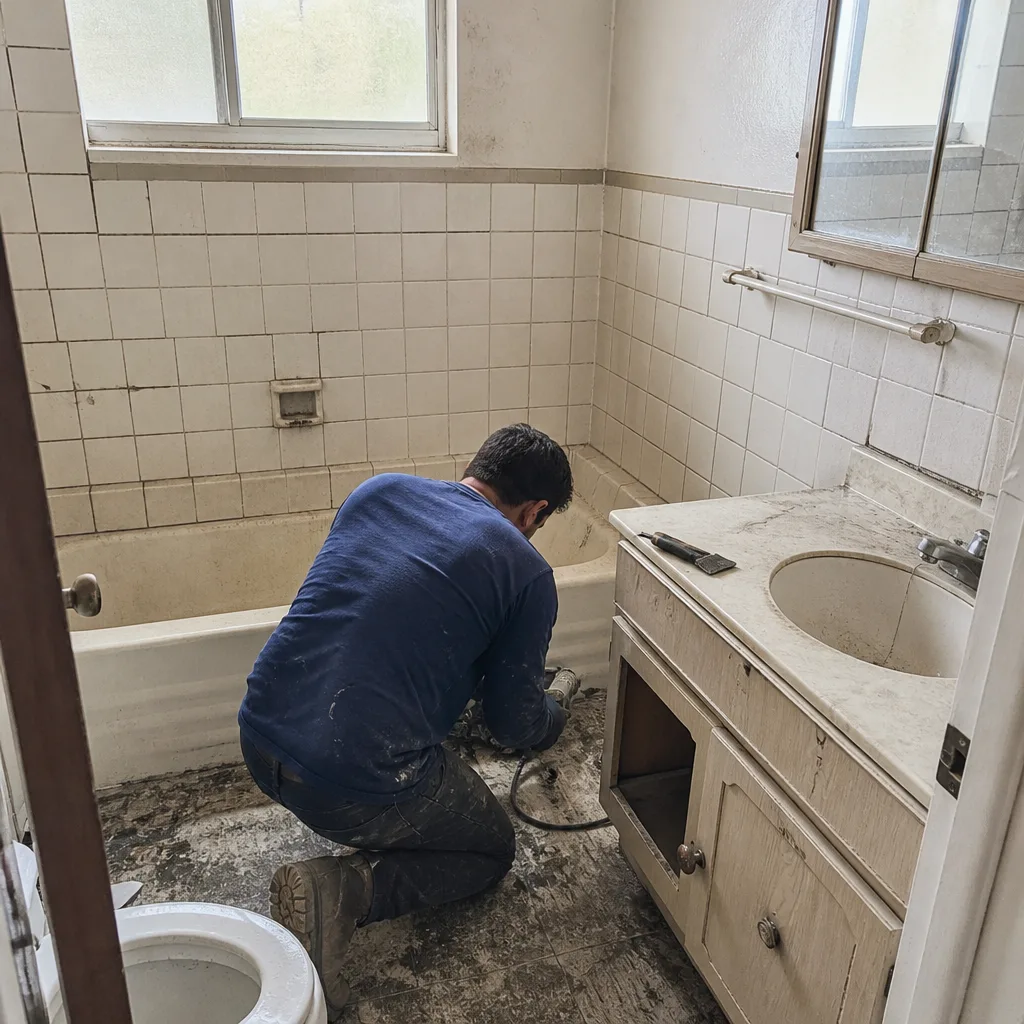 Before
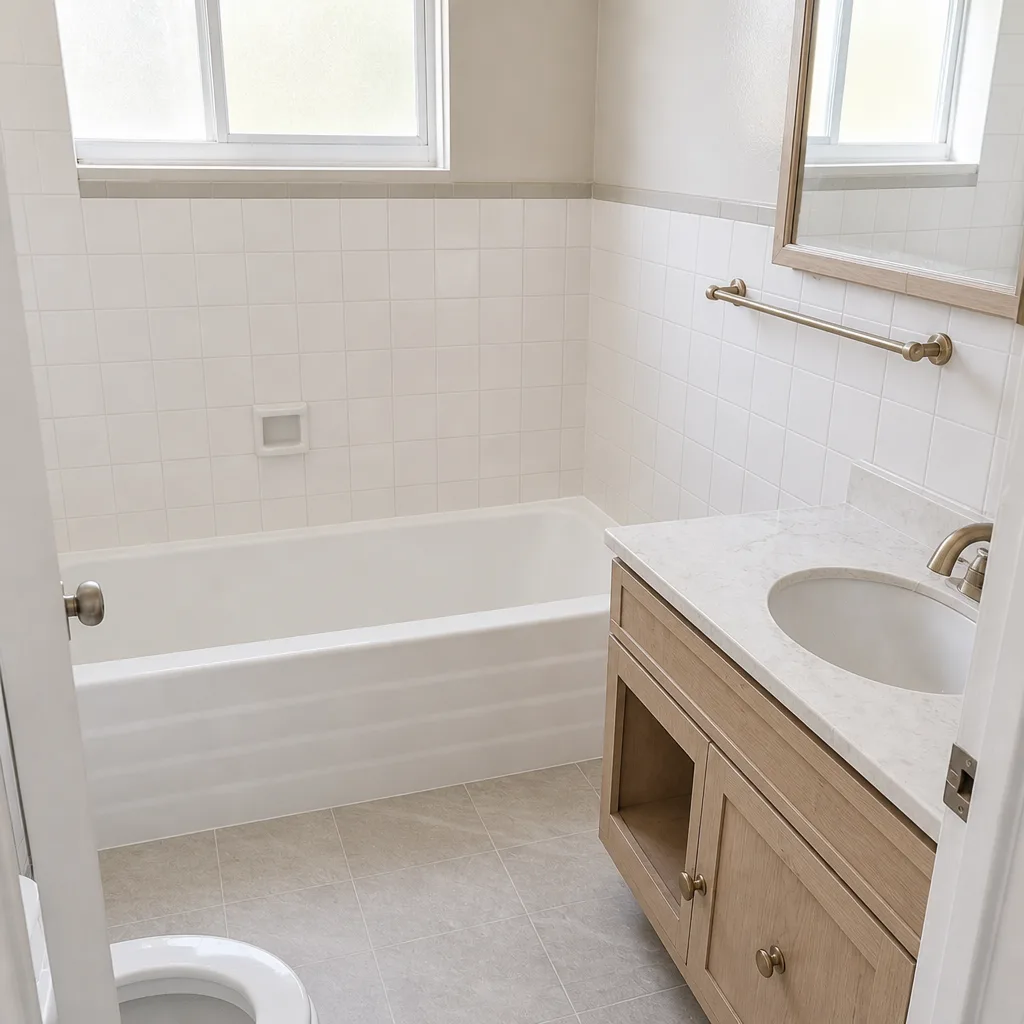 After
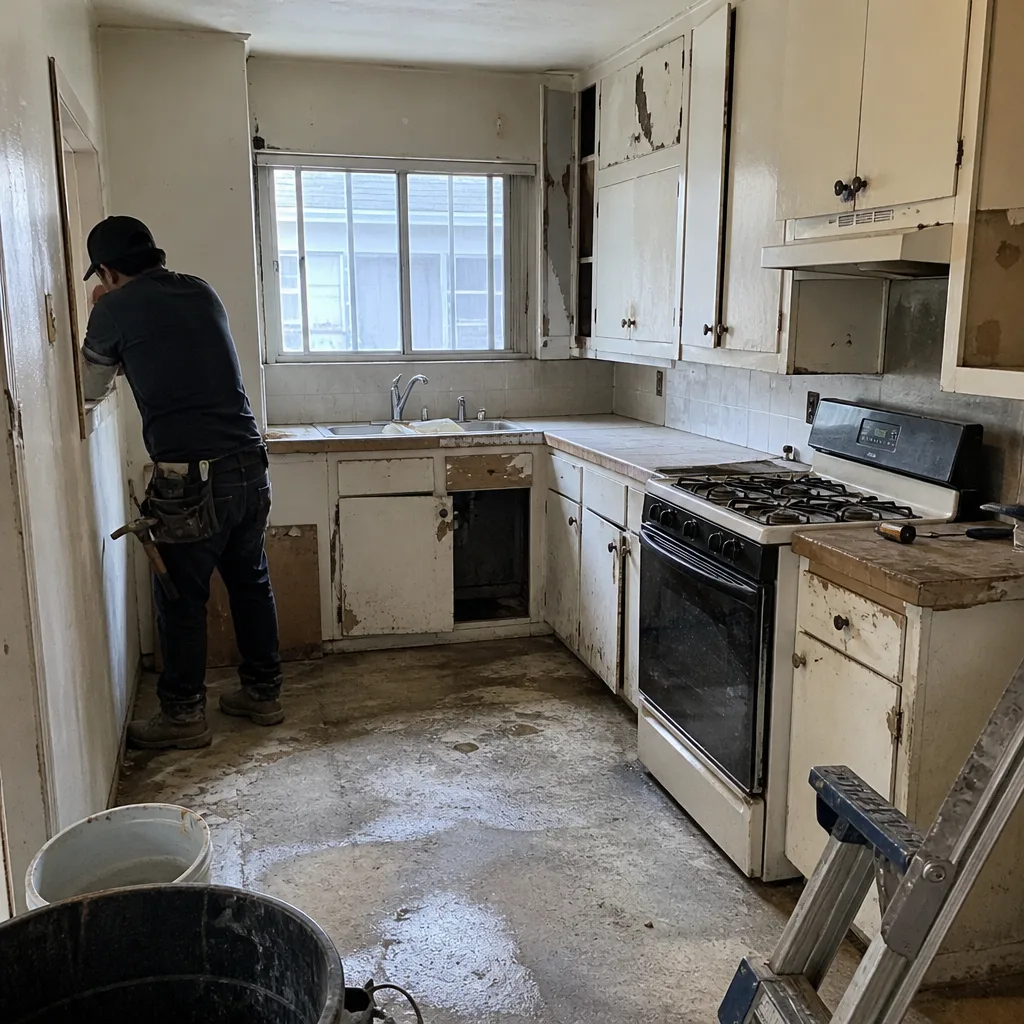 Before
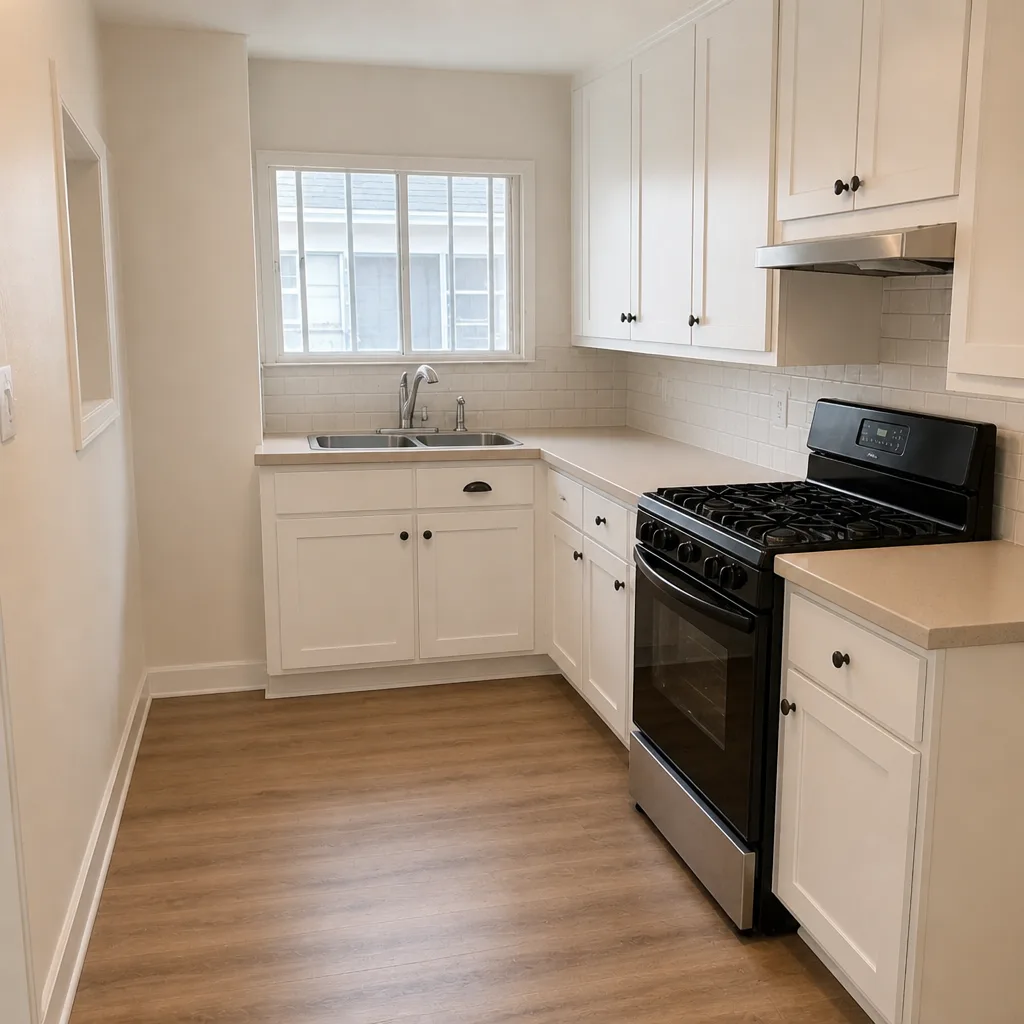 After
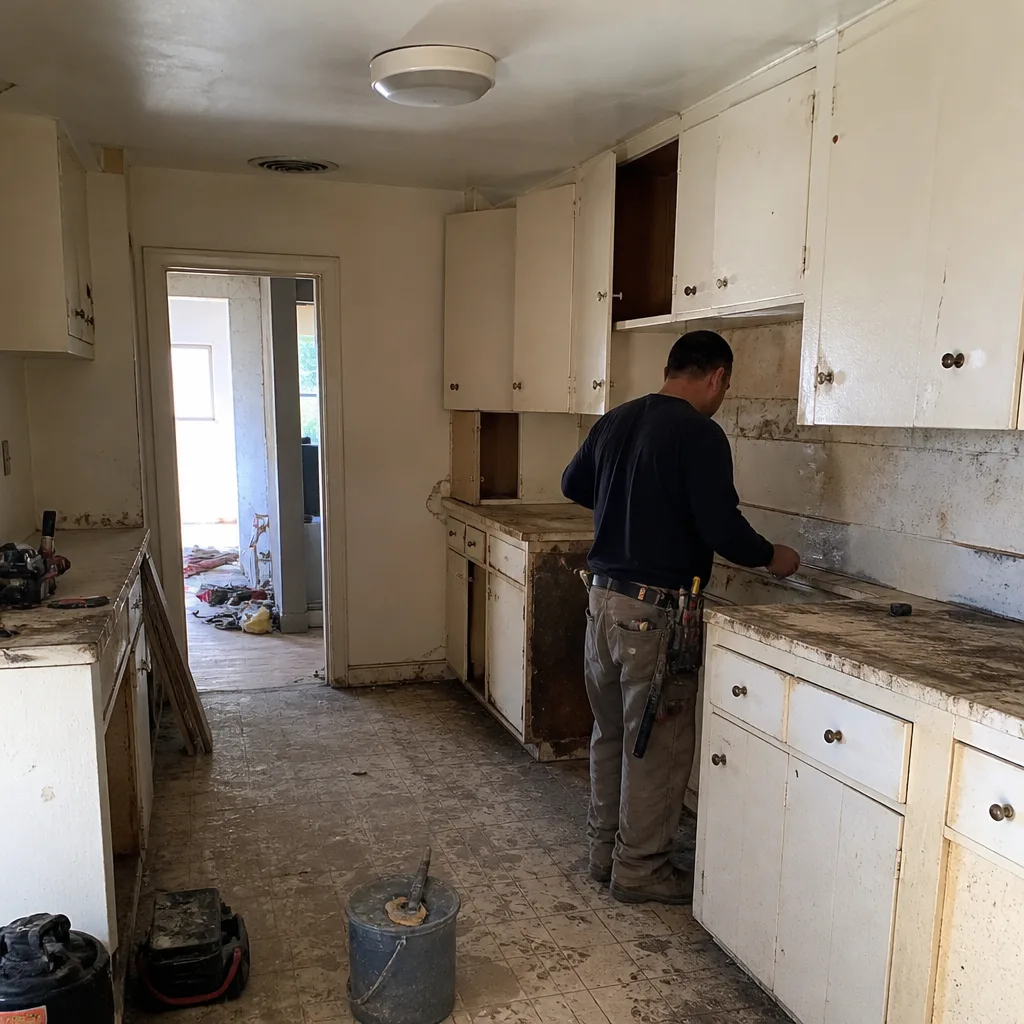 Before
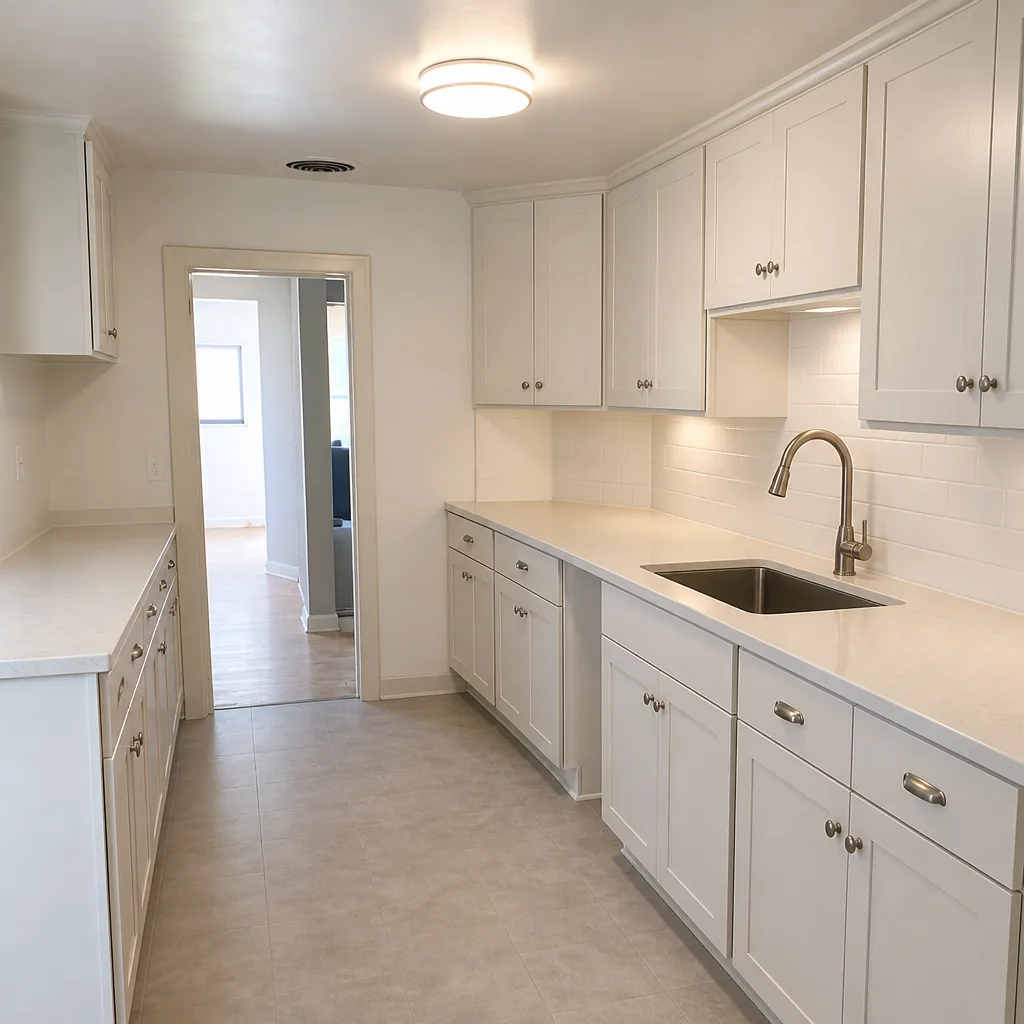 After
When to Call a Professional
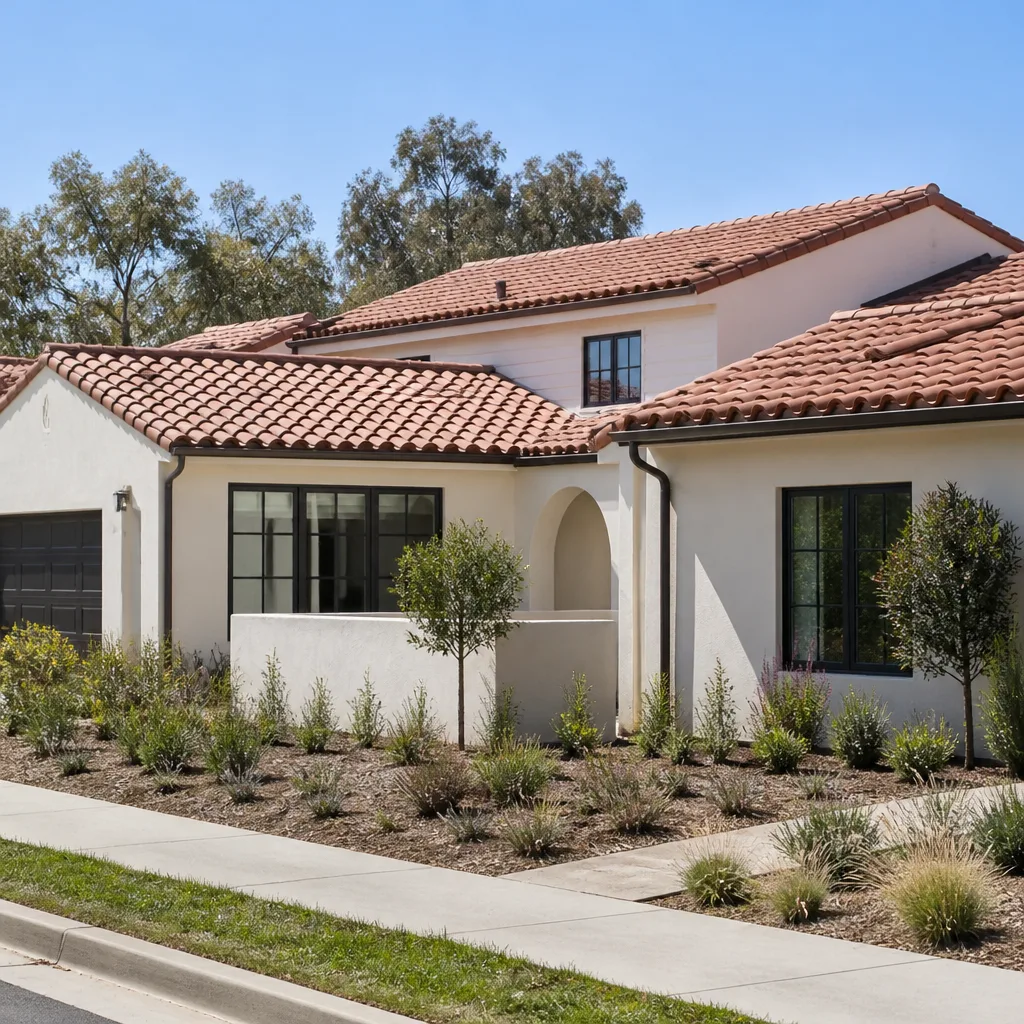
Call a professional before you sign a materials-heavy contract, not after. That’s the moment when a spec choice locks in and a substitution is hardest to undo. If you’re planning a re-roof, replacing windows and doors, a kitchen or bathroom remodel, a new fence, a driveway, or an addition or ADU, the brand decisions should be made with a contractor who can verify the spec, coordinate the trades, and document the install for warranty purposes.
If your current contractor won’t put the exact product line in writing, or won’t tell you what happens if a substitute is proposed, that’s reason enough to get a second set of eyes on the plan. Construction Fullerton offers free estimates in Fullerton. Our technicians have up to 14 years of experience, and we build to spec, not to shortcuts. Call (844) 834-8322. We answer 24/7. Fast dispatch from 7am to 7pm, Sunday through Friday.
Frequently Asked Questions
The best brands are the ones whose specs fit Climate Zone 3B, whose warranties are enforceable through Southern California field support, and whose installer requirements your contractor will follow. On roofing, GAF, Owens Corning, and CertainTeed all publish solid performance data and maintain regional support. For hardscape, Belgard, Unilock, Techo-Bloc, and Tremron each make durable lines for our conditions. The right answer depends on your specific property, so get a written spec before you commit.
No. It typically covers the shingle material for as long as you own the home, often with prorating and usually excluding labor, tear-off, and disposal. Installation defects, failure to register, and mixing components from different manufacturers can void it. Read the exclusions and confirm your contractor installs to the manufacturer’s nailing and underlayment spec. Call (844) 834-8322 for a free estimate that lists the exact product line.
Because the wind uplift rating is a system rating measured under a specific installation method. A high rating assumes the fasteners are placed at the specified depth, spacing, and pattern. A crew that spaces them differently leaves the roof outside the tested spec and outside the warranty. Confirm your contractor installs to the manufacturer’s spec sheet and documents it.
Sometimes, but never on a matched system like a roof assembly, where mixing shingle, underlayment, and flashing from different manufacturers can void the system warranty. Ask for a written justification if a substitute is proposed, and require a change order in writing. A legitimate equivalent comes with performance data that matches or beats the spec. A shortcut comes with a verbal promise. Call (844) 834-8322 to review a spec before you sign.
Contractor-grade lines are typically made to higher density and color-through standards, which resists fading and surface wear under strong Fullerton sun. The units also come through an authorized distributor that keeps the same dye lot and size available for future additions. Big-box product can be a different manufacturing run and may not carry the same warranty path. Ask which specific product line your contractor specifies.
It shouldn’t change without your written approval. A professional contractor puts the exact product line in the estimate and follows a written change-order process if the specified product becomes unavailable or a substitute is proposed. If pricing changes, that change should be documented and approved by you before any material is ordered. Call (844) 834-8322 for a free written estimate.
The Bottom Line
Brand selection in construction materials is a performance and warranty decision, not a prestige one. For a Fullerton home, favor brands whose specs match our warm, sunny, wind-prone climate, whose warranties are enforceable through regional field support, and whose installer requirements your contractor will follow to the letter. Insist on matched product systems, the exact product line in writing, and a written change order for any substitution. When a brand is right for the spec and the contractor installs to it, the warranty actually means something.
Get a Free Estimate
Whether you’re planning a re-roof, new windows, a kitchen or bath remodel, a fence, a driveway, or an addition, the brand decisions should start with a spec. Construction Fullerton gives free written estimates that list the exact product line, coordinate the trades across a multi-phase project, and back the work with written warranties. Call (844) 834-8322. We answer 24/7. Fast dispatch from 7am to 7pm, Sunday through Friday.
Written by the team at Construction Fullerton.