Last updated November 18, 2026




Free written scope consultation - allowances, timeline, and change-order rules on paper before a single trade is scheduled
Construction Emergency Preparedness Guide for Fullerton Homes
Most homeowners in Fullerton prepare for earthquakes by buying bottled water and a flashlight. That misses the point. The vulnerability in a typical Fullerton home is built into the structure itself. Fullerton sits roughly 1.5 miles from the Whittier fault and within about 10 miles of the Puente Hills fault segment, the same segment responsible for the 1987 Whittier Narrows earthquake. For a single-story slab home built before 1980, the highest-value construction investment you can make isn’t a cosmetic remodel. It’s cripple wall bracing and a few hours of structural retrofitting. This guide covers what actually reduces risk in Fullerton homes, from pre-1980 housing stock vulnerabilities to ember resistance in the Hills, and how to tell a real preparedness upgrade from one that just checks a box.
Quick Answer
Construction emergency preparedness for Fullerton homes means three things: retrofitting the structural weaknesses common in pre-1980 housing stock (cripple walls, unbraced water heaters, soft-story garages), hardening roofs and exteriors against ember intrusion in the Santa Ana wind corridor, and knowing your utility shutoffs before you need them. The work with the best risk-reduction-to-cost ratio is almost always a seismic retrofit of the crawl space and foundation, not a cosmetic upgrade.
Styles & brands we work with
- Kitchen remodeling
- Bathroom remodeling
- Home additions & ADU
- Roofing
- Windows & doors
- Driveway & pavers
- Fence
Table of Contents
- What structural vulnerabilities does Fullerton’s pre-1980 housing stock have?
- Which retrofits give the best risk-reduction-to-cost ratio?
- How do you assess roof and cladding ember resistance in the Fullerton Hills?
- What is the utility shutoff checklist for a typical Fullerton home?
- What counts as a construction emergency under California homeowner’s insurance?
- How do you safely assess a home after an earthquake or severe wind event?
- What proactive construction improvements reduce your real risk?
- How do preparedness priorities differ across Fullerton neighborhoods?
What structural vulnerabilities does Fullerton’s pre-1980 housing stock have?
Fullerton grew quickly in the decades after World War II, and much of that housing stock was built to code standards that predate modern seismic requirements. Those homes carry predictable weaknesses. Knowing which ones apply to your house is the first step toward a real preparedness plan.
The three most common vulnerabilities in Fullerton homes:
- Cripple walls. In raised-foundation homes, the short stud walls between the foundation and the first floor have no sheathing on many older builds. During shaking, they can twist and collapse, dropping the house off its foundation.
- Unbraced water heaters. A standard water heater holds 40 to 80 gallons. Without two straps anchored to the framing and a flexible gas connector, it can topple in a strong earthquake, rupturing the gas line and creating a fire hazard.
- Soft-story garages. Two-story homes with living space over a garage often have large open openings at ground level and little lateral bracing. That open ground floor acts as a weak link during shaking.
Older Fullerton homes also tend to have masonry chimneys without reinforcement, which are prone to cracking or falling during a quake. If your house sits on a raised perimeter foundation, the crawl space is the single most important place to inspect. A structural contractor can look at the framing, anchor bolting, and shear walls and give you a clear picture of what needs attention and in what order.
Which retrofits give the best risk-reduction-to-cost ratio?
Seismic retrofitting isn’t one project. It’s a ranked list of improvements, and the order matters. Some retrofits deliver outsized protection for modest cost, while others are expensive and lower priority. Spending money in the wrong sequence is the most common mistake Fullerton homeowners make.
Here’s how the priorities stack up in our experience, starting with the highest return:
- Water heater strapping and flexible connectors. The lowest-cost item on this list and one of the most effective. Two straps, anchored to framing, plus a flexible gas line. It prevents a fire hazard that can spread fast after a quake.
- Foundation bolting and cripple wall bracing. Anchoring the sill plate to the foundation and sheathing the cripple walls with structural plywood keeps the house tied to its base. For a raised-foundation home, this is the core upgrade.
- Soft-story reinforcement. Adding a steel moment frame or shear walls at the open ground level of a garage improves the weakest point in many two-story homes. It costs more, so it usually follows the first two items.
- Chimney bracing. Bracing or reinforcing a masonry chimney prevents the upper portion from separating during shaking.
- Interior contents bracing. Anchoring tall bookcases, water heaters, and heavy furniture reduces injury risk and is typically handled alongside the structural work.
An engineered retrofit plan ties these pieces into a single scope so each trade doesn’t undo the next. When you’re ready to coordinate structural work with the rest of your home’s systems, Construction Fullerton handles the planning and build under one team.
How do you assess roof and cladding ember resistance in the Fullerton Hills?
Fullerton Hills sits at the edge of the wildland-urban interface, where open hillsides meet residential streets. During Santa Ana wind events, embers can travel well ahead of a fire front and land on roofs, in gutters, and against siding. The question isn’t whether your roof meets the aesthetic you want. It’s whether it resists ember intrusion.
What to look at on your roof and exterior:
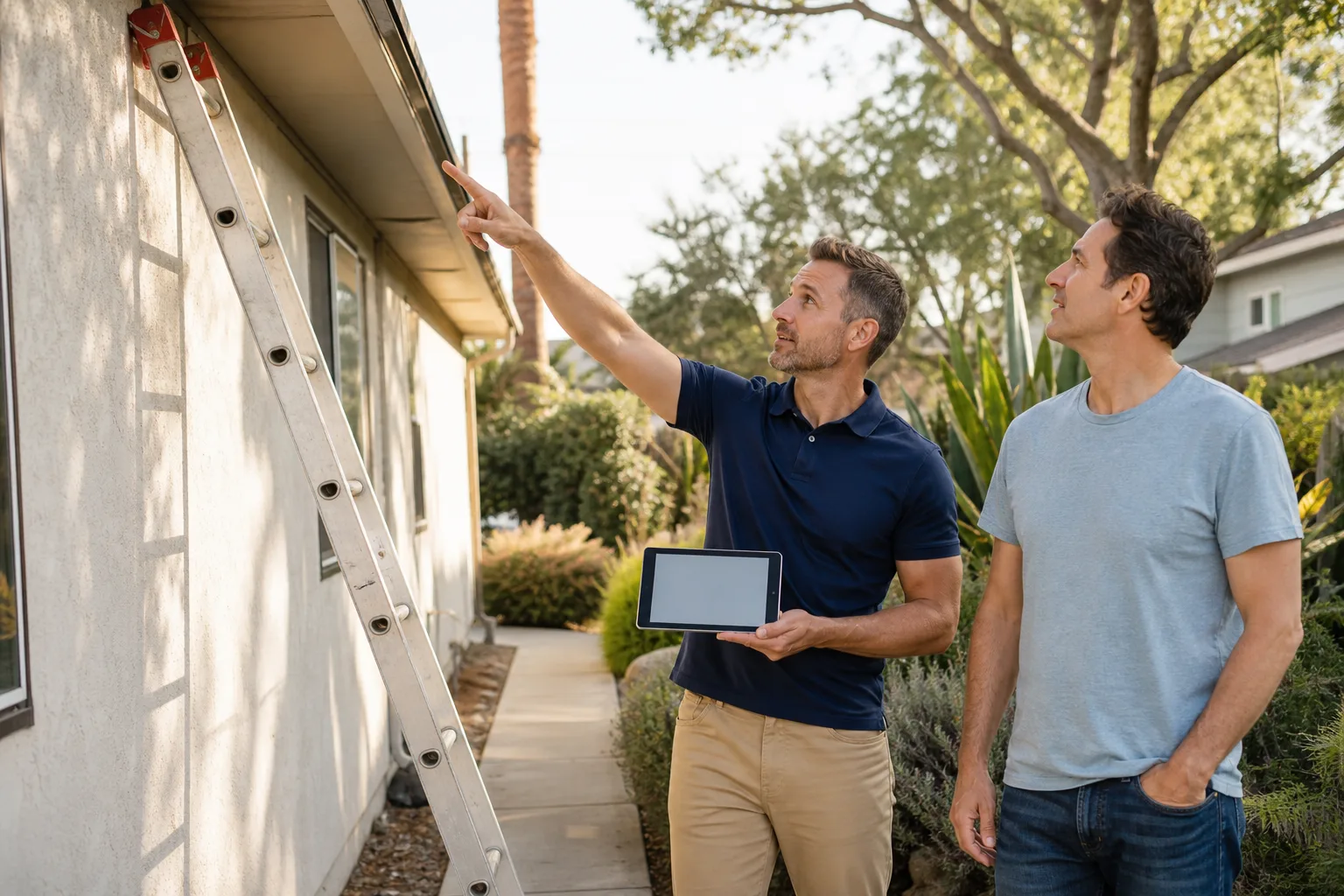
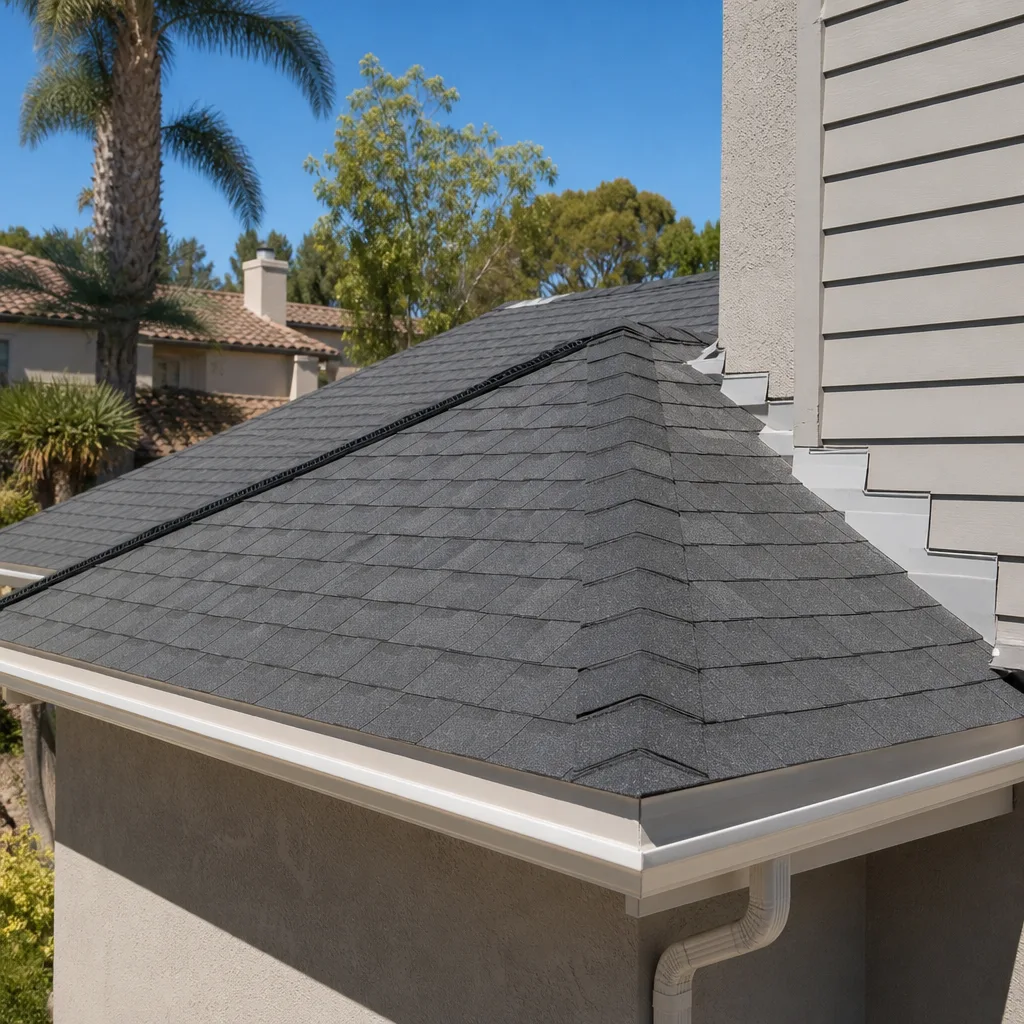
- Roof covering material. Class A fire-rated roofing assemblies resist ignition from embers. Many older asphalt shingle roofs are rated but degrade over time. A roofing inspection can tell you what you have.
- Roof-to-wall and eave gaps. Small gaps at the fascia and eaves let embers into the attic. Bird stops and closed eaves help.
- Gutters and debris. Dry leaves in gutters are the easiest ember fuel on the house. Regular clearing matters more than most people realize.
- Siding and vents. Wood siding and open soffit vents are more vulnerable than fiber-cement or stucco with ember-resistant vent screens.
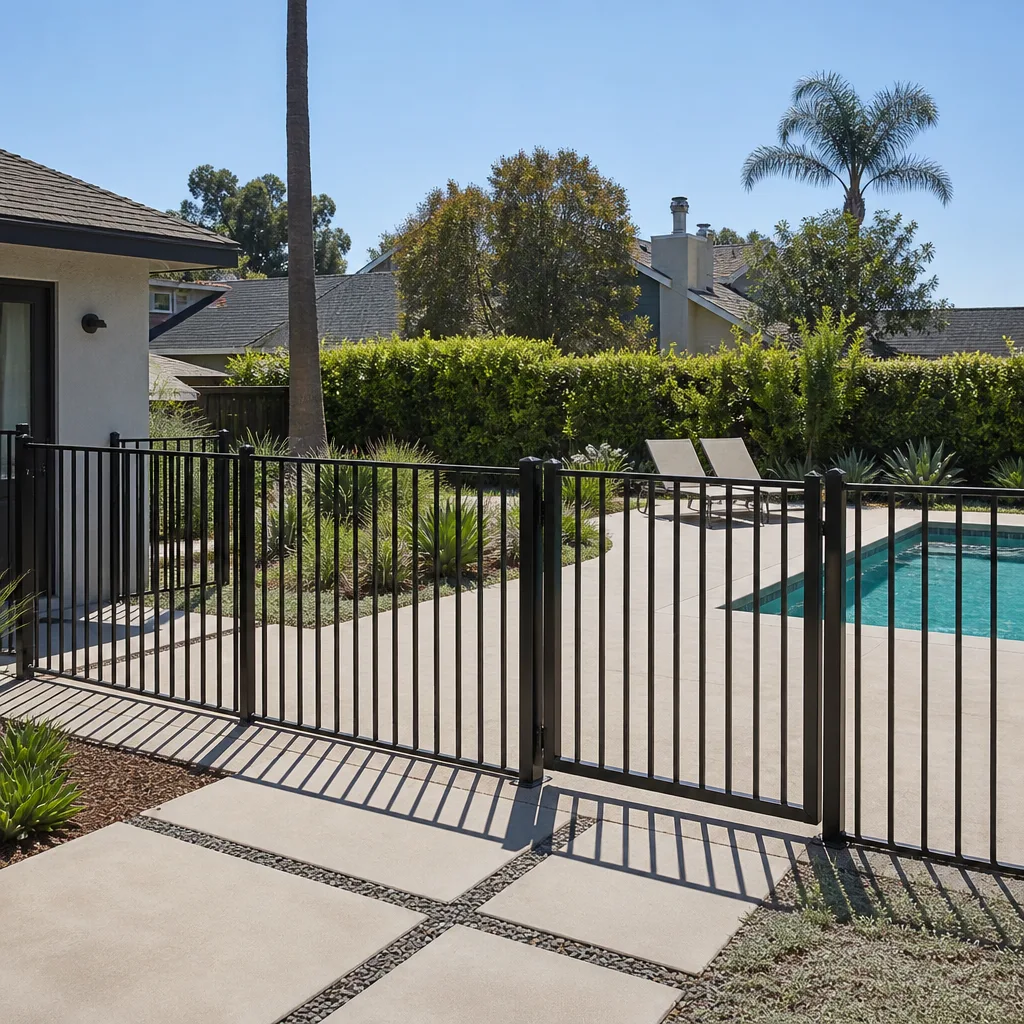
- Deck and fence attachments. A wood fence attached directly to the house can carry fire to the structure. A metal gate or a non-combustible section at the attachment point breaks the path.
If your roof is due for replacement, choosing a fire-rated shingle assembly and closing the eave gaps at the same time is far more efficient than doing either alone. Our team works with GAF, CertainTeed, and Owens Corning products and can evaluate your existing assembly during a roofing services estimate. For the exterior at ground level, a non-combustible fence line and hardscape help complete the picture, and those are areas where fence installation and driveway & pavers work can be coordinated with the roof replacement.
What is the utility shutoff checklist for a typical Fullerton home?
When the ground starts shaking or a tree takes out a line, you need to know where your shutoffs are before you reach for them. Every adult in the household should know these locations. Here’s the checklist we walk homeowners through.
- Gas meter shutoff. The main gas valve is at the meter, usually on a side or rear exterior wall. It needs a wrench, typically kept on or near the meter. Turn the valve a quarter turn so it’s perpendicular to the pipe to close it. Only a utility professional should turn it back on.
- Water main shutoff. Look for the valve where the water line enters the house, often near the front or side yard or in a garage wall. A gate valve turns clockwise to close. It’s worth turning once a year to make sure it isn’t seized.
- Electrical main breaker. Know which panel is the main panel and where the main breaker sits. If you smell gas or see sparking, shut the power off at the main.
- Water heater gas valve. If your water heater uses gas, the dedicated shutoff is usually on the supply line above the unit. Strapping the heater first prevents the need to use it under stress.
- Keep the tools together. A gas wrench, flashlight, and a note card with shutoff locations, all in one place, saves critical minutes.
If your panel is old, undersized, or you’re unsure which breaker is the main, an electrician should evaluate it. Electrical work and gas line work carry real risk, so leave them to a trained professional rather than doing it yourself.
What counts as a construction emergency under California homeowner’s insurance?
Not every sudden damage event is covered the same way, and the gap between what you assume and what your policy actually covers can be wide. A standard California homeowner’s policy typically covers sudden and accidental damage from events like fire, wind, and falling objects, subject to your deductible and the policy language. Earthquakes are the big exception: standard policies exclude earthquake damage, and you need a separate earthquake policy or endorsement to be covered.
Where homeowners get surprised:
- Earthquake damage. Almost always excluded from a standard policy. If you live in Fullerton and own a pre-1980 home, it’s worth discussing a separate earthquake policy with your agent.
- Water damage from a burst pipe. Usually covered if sudden, but long-term slow leaks and maintenance-related damage often aren’t.
- Roof damage from wind. Typically covered when wind is the cause, but wear and age can reduce what’s paid. Document the condition of your roof before storm season.
- Fence and hardscape damage. Fences are often covered at depreciated value or limited amounts. Read your policy before a wind event takes out a fence line.
- Mold and code upgrades. Most policies limit mold remediation and may not cover the cost of code-required upgrades during a repair. A rider can close that gap.
Before you file, photograph everything and keep a written record. An adjuster will want a clear sequence of what happened and when.
How do you safely assess a home after an earthquake or severe wind event?
After a quake or a big wind event, the instinct is to walk the property and start checking. That’s fine up to a point. Some things you can safely observe yourself. Others require a licensed engineer or contractor before anyone should reoccupy the home.
What a homeowner can safely check from a distance:
- Outside, from the street or sidewalk: tilted chimneys, sagging rooflines, cracked foundation walls visible at grade, and downed power lines (stay well clear).
- Doors and windows: if interior doors no longer latch or windows stick where they didn’t before, the frame may be racked. That’s worth noting, not investigating.
- Smell and sound: a gas odor means leave immediately and call the utility. Cracking or shifting sounds in the structure mean get out.
What requires a licensed engineer or contractor before reoccupancy:
- Any sign of foundation damage, including new cracks in the slab or foundation stem wall.
- Separation between the house and the foundation, visible in the crawl space.
- Roof structural damage or sagging sheathing.
- Brick or masonry damage at the chimney or walls.
- Any soft-story garage that shows movement at the ground level.
If you’re unsure, don’t guess. A licensed structural engineer can give you a reoccupancy determination. For the assessment and repair itself, our team can coordinate across trades so the fixes aren’t fragmented. If the damage points toward rebuilding or expanding, our home additions & ADU work can tie the repair into a broader plan. Prefab and modular options from builders like Dvele, Mighty Buildings, and Boxabl are worth exploring when speed and predictability matter.
What proactive construction improvements reduce your real risk?
Preparedness isn’t only about reacting after an event. The right construction upgrades, done in the right order, reduce the chance your home becomes damaged in the first place. We’ve seen that the most effective approach is to treat structural hardening as a single coordinated project, not a series of disconnected fixes.
- Structural retrofit first. Cripple walls, foundation bolting, and water heater strapping are the highest priority and should be done before cosmetic work.
- Roof and exterior hardening. A fire-rated roof assembly, closed eaves, and ember-resistant vents reduce wildfire exposure in the Hills and surrounding areas.
- Non-combustible hardscape and fencing. A paver driveway and a fence with a non-combustible section at the house create a defensible buffer. We work with Belgard, Unilock, and Techo-Bloc for pavers and with Barrette and Master Halco for fencing, so the material choice matches your property and your HOA.
- Window upgrades. Impact-resistant glass helps with security, noise, and storm protection and can reduce flying debris injury risk during wind events.
- Upgrade the water heater setup. Alongside strapping, consider moving to a seismic-rated gas connector and, where appropriate, a tankless unit, which eliminates a large tank of water and reduces toppling risk.
If you’re already planning a larger remodel, work the preparedness items into the same schedule. A project that bundles roof replacement, window upgrades, and structural work is more efficient and less disruptive than three separate jobs.
How do preparedness priorities differ across Fullerton neighborhoods?
Fullerton isn’t uniform. The priorities shift depending on where you are in the city and what kind of house you live in. A homeowner near the Hills faces a different set of risks than one in a flat neighborhood with 1950s tract homes.
- Fullerton Hills and nearby foothill streets. Wildfire exposure is the primary concern. Ember-resistant roofing, closed eaves, and defensible space are top priorities. Coordinating roof replacement with exterior work makes the most of the investment.
- Older central neighborhoods. Homes built before 1980 with raised foundations need seismic retrofitting first. Cripple wall bracing and foundation bolting are the highest priority.
- Two-story homes with garages. Soft-story reinforcement is the weak link and belongs high on the list, even if it costs more than the smaller items.
- Larger lots and corner properties. Fences and hardscape cover more ground and matter more in wind events. A non-combustible fence section at the house and a paver driveway cut down on fuel and debris.
- Properties adding an ADU or addition. When you’re already building, incorporate retrofit items for the primary house within the same construction window, so the new work coordinates with the old.
Every property is different. An on-site assessment is the only way to rank the work for your specific house.
Common Mistakes to Avoid
- Buying supplies and skipping the structural retrofit. Bottled water and flashlights don’t protect a house on an unbraced cripple wall. The structure needs the attention first.
- Skipping the water heater straps. It’s one of the cheapest fixes and one of the most effective at preventing a post-quake fire. Many homeowners overlook it entirely.
- Assuming your standard policy covers earthquakes. It usually doesn’t. If you’re a pre-1980 Fullerton homeowner, discuss a separate earthquake policy before you need it.
- Not knowing the utility shutoffs. Fumbling for the gas valve in an emergency wastes critical minutes. Walk the family through the shutoffs twice a year.
- Doing the cosmetic work first. Replacing kitchen cabinets and floors before the foundation and cripple walls are addressed can mean paying twice when structural work later disturbs the finishes.
- Ignoring roof and eave gaps in the Hills. Embers get into small gaps. Closing them at the same time as a roof replacement costs little extra and adds real protection.
- Reoccupying after a quake without a structural check. If the doors don’t latch or the foundation is cracked, don’t move back in until a licensed professional looks at it.
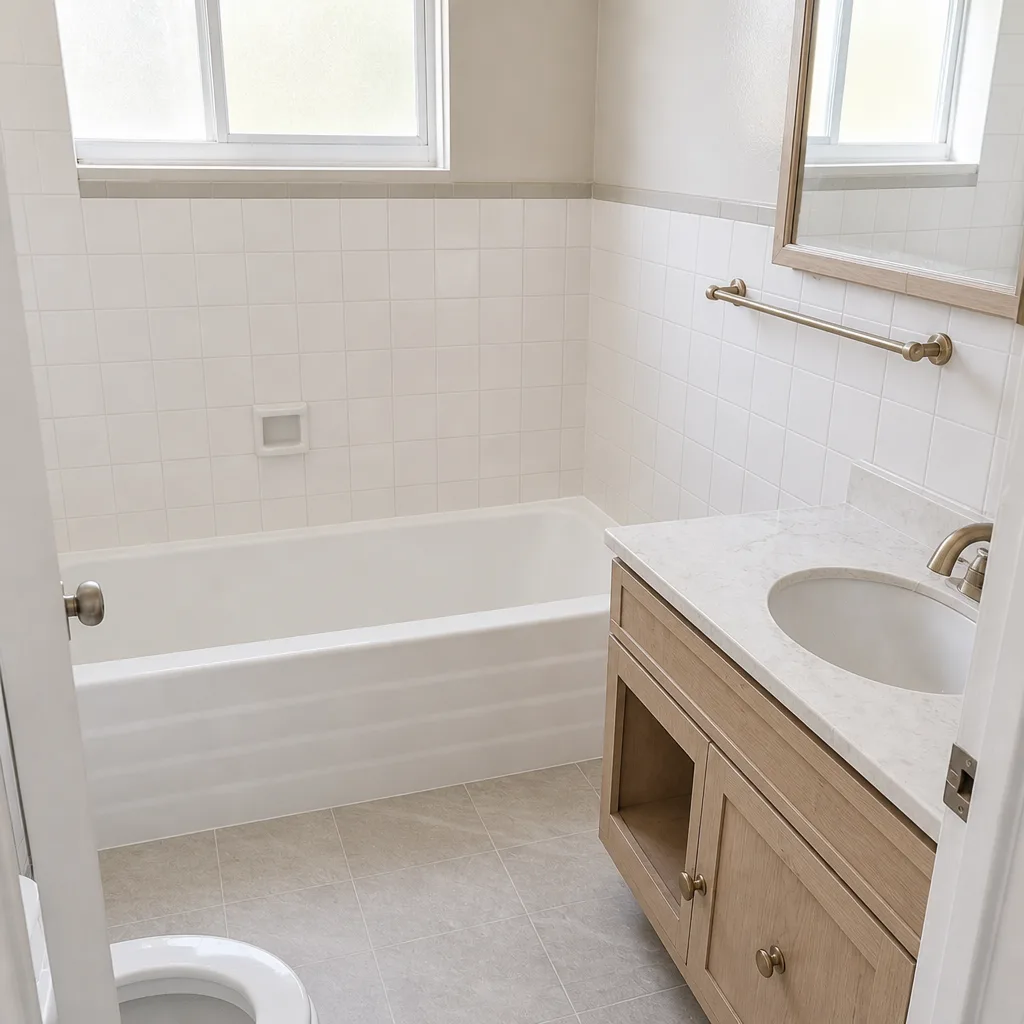
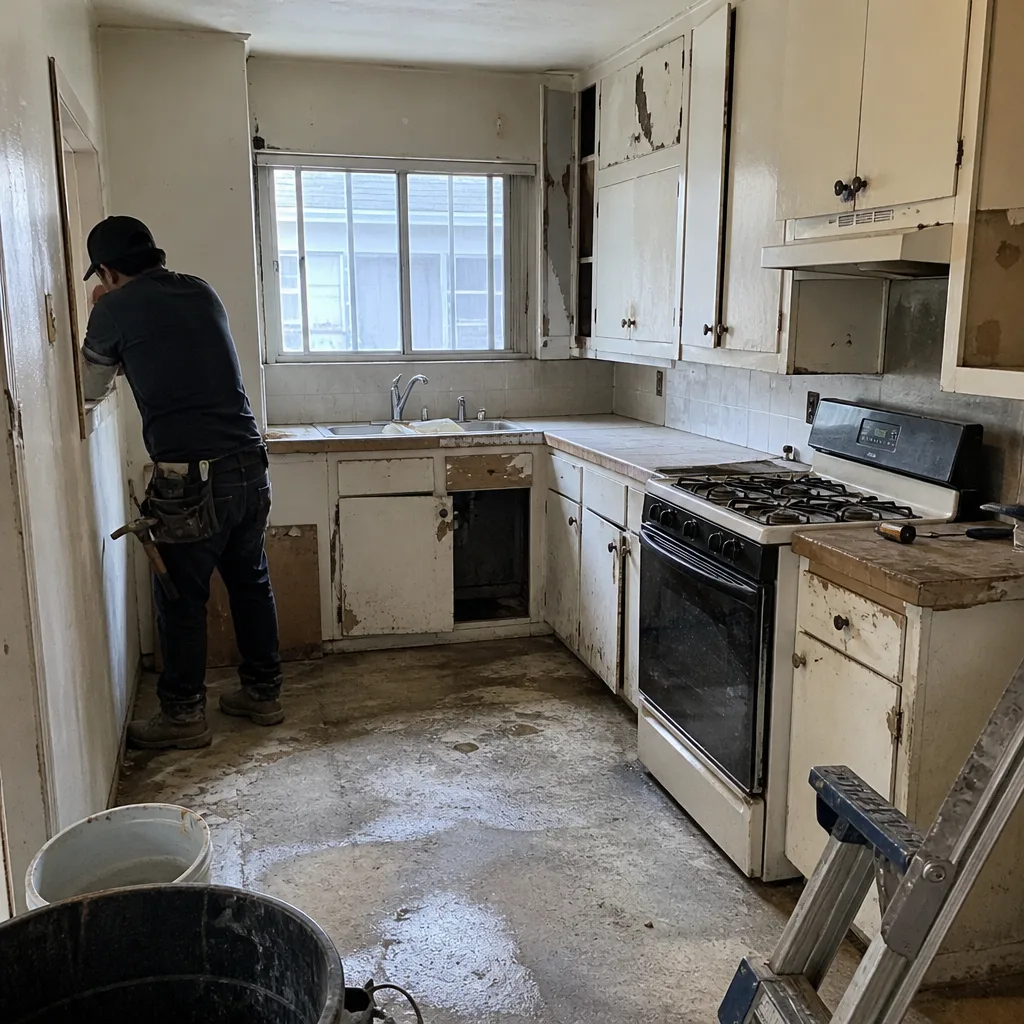
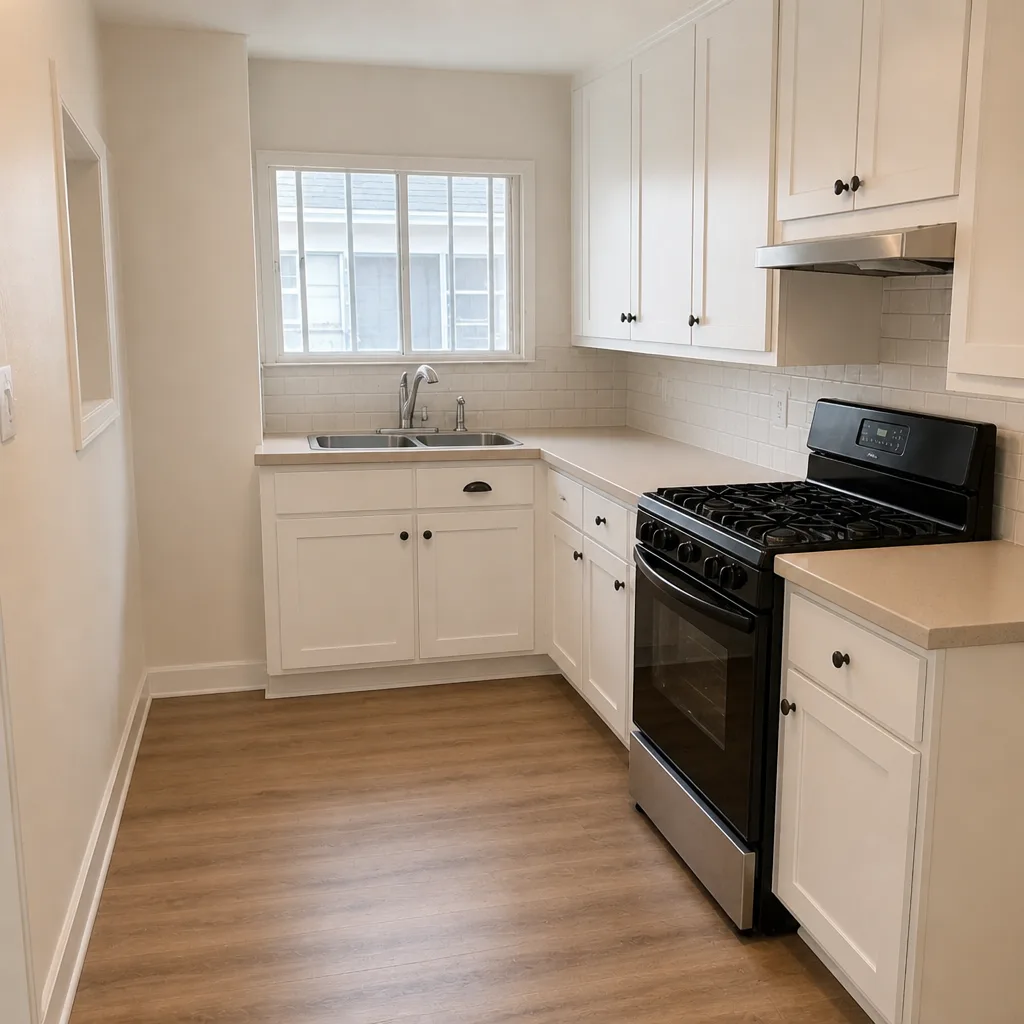
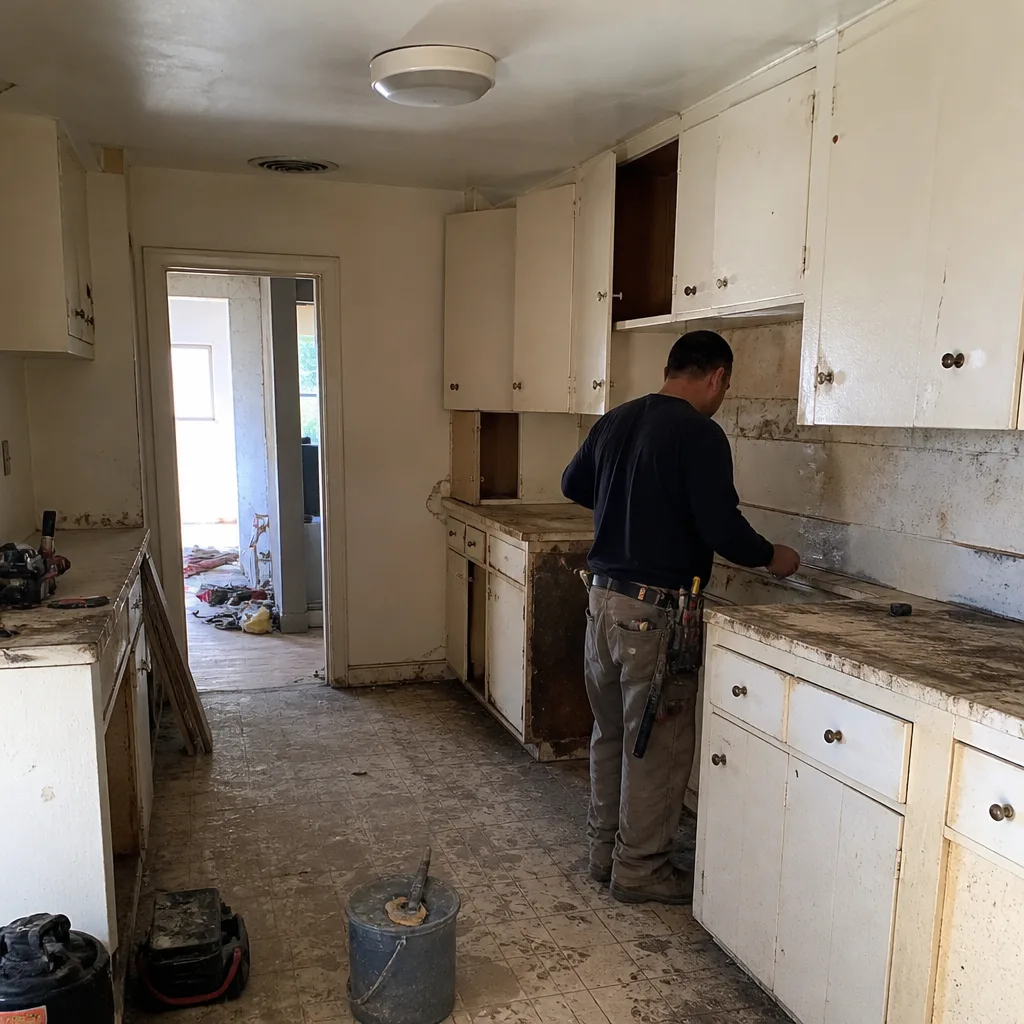
See the difference
 Before
 After
 Before
 After
 Before
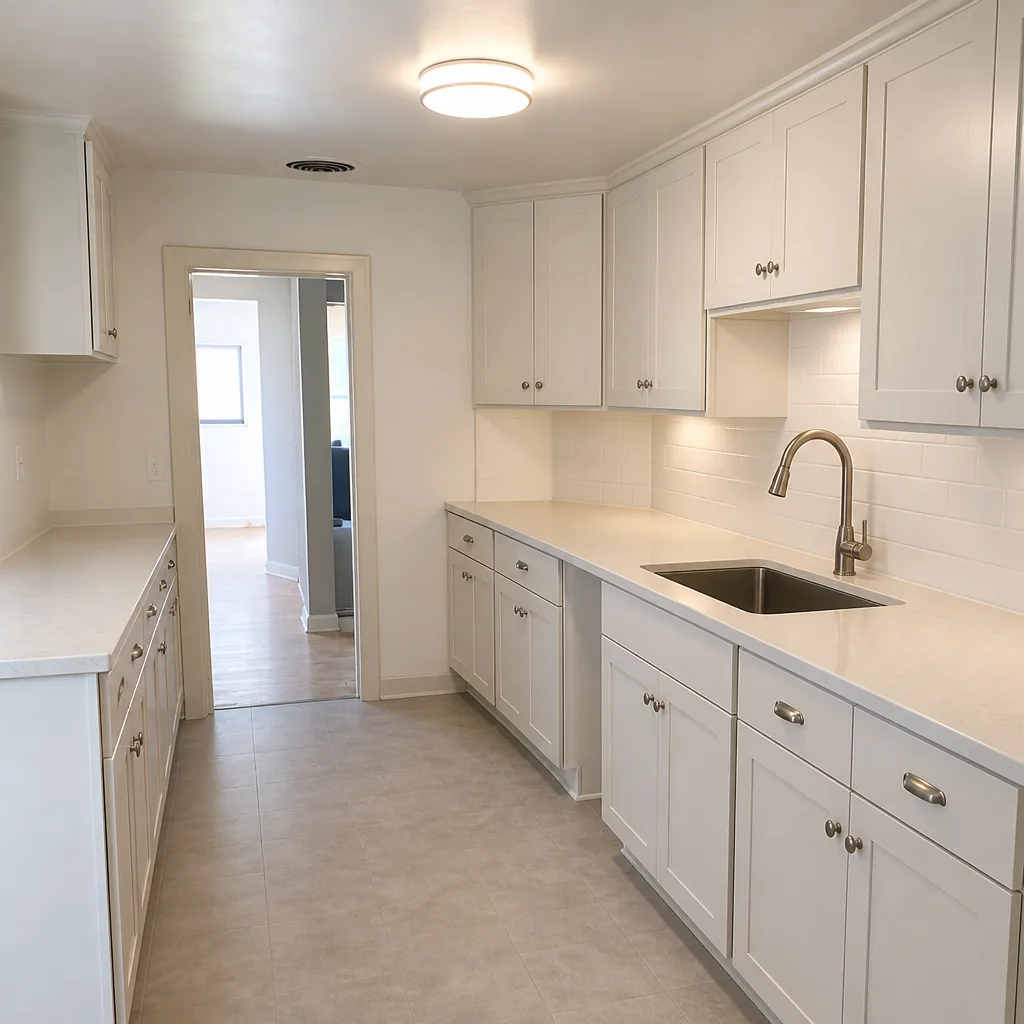 After
When to Call a Professional
Some preparedness work is a weekend project. Structural retrofitting, electrical and gas work, and post-event reoccupancy checks are not. Call a professional when you need a structural retrofit evaluated or installed, when your panel or gas line needs attention, when a roof inspection for fire rating or storm damage is due, or when you’re deciding whether to reoccupy after a significant earthquake or wind event.
Construction Fullerton offers free estimates in Fullerton. We handle structural work, roofing, windows and doors, fencing, driveways, and additions under one roof so the pieces of a preparedness plan get coordinated instead of scattered across multiple contractors. Call (844) 834-8322 to schedule your free estimate. We answer 24/7. Fast dispatch from 7am to 7pm, Sunday through Friday.
Frequently Asked Questions

A seismic retrofit in Fullerton typically ranges from a few hundred dollars for water heater strapping and basic bracing up to several thousand dollars for full foundation bolting and cripple wall bracing on a raised-foundation home. The written estimate sets the final price, and a site assessment is needed to scope the work accurately.
No, standard California homeowner’s policies generally exclude earthquake damage. You need a separate earthquake policy or endorsement to be covered. Talk to your insurance agent about what your specific policy excludes before you rely on it.
The highest-priority retrofit is foundation bolting and cripple wall bracing, followed closely by water heater strapping. Together they address the two most common failure points in pre-1980 raised-foundation homes. Soft-story reinforcement for homes with garages under living space comes next.
An ember-resistant roof has a Class A fire-rated covering, closed eaves, and screened vents with no gaps. Older shingles may be rated but degrade over time, and small eave gaps let embers in. A roofing inspection can confirm your assembly’s rating and identify gaps worth sealing.
Only if there are no signs of structural damage, displacement, or gas leaks. If you see foundation cracks, separation at the foundation, a tilted chimney, or doors that no longer latch, stay out until a licensed structural engineer or contractor inspects it. When in doubt, don’t reoccupy.
Yes, Construction Fullerton handles structural work, roofing, windows and doors, fencing, driveways and pavers, additions, kitchens, and bathrooms under one team. Coordinating the work across trades makes a preparedness plan more efficient and less disruptive than hiring separate contractors. Call (844) 834-8322 for a free estimate.
The Bottom Line
Emergency preparedness for a Fullerton home starts with the structure, not a supply kit. Pre-1980 housing stock carries predictable vulnerabilities (cripple walls, unbraced water heaters, soft-story garages) that are best addressed in a specific order, with water heater strapping and foundation bracing leading the list. The Hills neighborhoods add fire exposure, where ember-resistant roofing and closed eave gaps matter, and knowing your gas, water, and electrical shutoffs is non-negotiable. Insurance exceptions, especially the earthquake exclusion, deserve a close read. The right construction investment reduces real risk rather than just checking a box.
Call (844) 834-8322 for a free estimate. We answer 24/7. Fast dispatch from 7am to 7pm, Sunday through Friday.
Written by the team at Construction Fullerton.