Last updated November 18, 2026



Free written scope consultation - allowances, timeline, and change-order rules on paper before a single trade is scheduled
The Complete Driveway & Pavers Guide for Fullerton Homeowners
Here’s the part most driveway guides get wrong: in Fullerton, the paver you pick matters far less than the ground underneath it. This city sits on pockets of expansive clay-heavy soil that swell when wet and shrink when dry, and that movement doesn’t care how handsome your Belgard or Techo-Bloc surface looks on day one. A base built to a generic Southern California spec can let a driveway heave and settle within a couple of seasons, which is the expensive lesson behind most re-leveling work we get called to correct. This guide is built around the Fullerton property as a whole – your soil, your drainage, your grade, and the city rules that shape what you can legally build at the curb. Read on and you’ll know how to plan a driveway that still sits flat a decade from now. Call (844) 834-8322 for a free estimate. We answer 24/7. Fast dispatch from 7am to 7pm, Sunday through Friday.
Quick Answer
A driveway in Fullerton needs an engineered base built for local clay soil first and a surface material second. That means deeper excavation, proper compaction testing, and a drainage plan that moves water away from your foundation before a single paver is set. Concrete pavers last longest for most Fullerton properties, natural stone carries the highest upfront cost, and poured concrete is the cheapest to install but the most likely to crack on clay.
Styles & brands we work with
- Kitchen remodeling
- Bathroom remodeling
- Home additions & ADU
- Roofing
- Windows & doors
- Driveway & pavers
- Fence
Table of Contents
- Why Fullerton’s Soil Changes Everything About Your Driveway
- How Deep Does Paver Base Need to Go in Fullerton?
- Which Paver Material Holds Up Best in Fullerton’s Climate?
- Fullerton Driveway Width, Apron, and Permeable Surface Rules
- Coordinating Driveway Grade With Your Existing Drainage
- What Driveways Actually Cost in Fullerton
- How a Full Driveway Install Comes Together, Step by Step
- Planning Your Driveway Alongside the Rest of the Property
Why Fullerton’s Soil Changes Everything About Your Driveway
Fullerton’s geology is not uniform, and that’s the first thing to understand. Some neighborhoods sit over expansive clay that moves dramatically with moisture. Others rest on older alluvial ground that drains and compacts more predictably. The difference shows up fastest in the spaces homeowners park on. When clay absorbs water in the wet months, it swells. When the dry season pulls that moisture out, it shrinks back. A paver surface laid over an inadequate base inherits all of that movement, and the result is rocking pavers, sunken edges, and joints that open up faster than any joint sand can keep up with.
Concrete driveways are even less forgiving on this ground. A poured slab resists bending, so when the clay beneath it shifts, the slab cracks at its weakest point. That’s why a driveway decision in Fullerton is really a soil-and-base decision wearing a surface-material costume. We approach every estimate by asking where on the lot the driveway sits, what the soil is likely doing there, and how water already moves across the property.
Fullerton’s climate adds a second layer. The swing between hot inland summers and cool winter nights is real, and it works on both the soil and the surface. Pavers that expand and contract well, set on a base that stayed put, handle that swing gracefully. Pavers installed over a thin base on clay do not. This is the single biggest reason we treat base design as the headline of any Fullerton driveway project, not a footnote.
How Deep Does Paver Base Need to Go in Fullerton?
Standard Southern California paver guidance often calls for roughly four inches of compacted base over well-draining soil. On Fullerton’s clay-heavy lots, that general number is a starting point, not an answer. Clay doesn’t drain, so water sits in the base layer, softens it, and the whole assembly loses support. A driveway built to a generic spec on clay is a driveway that will need re-leveling well before the pavers themselves are worn out.
What a proper base looks like on a clay lot:
- Full excavation of the native clay to a depth that lets us build a stable, drainage-capable base rather than trying to compact directly onto the clay.
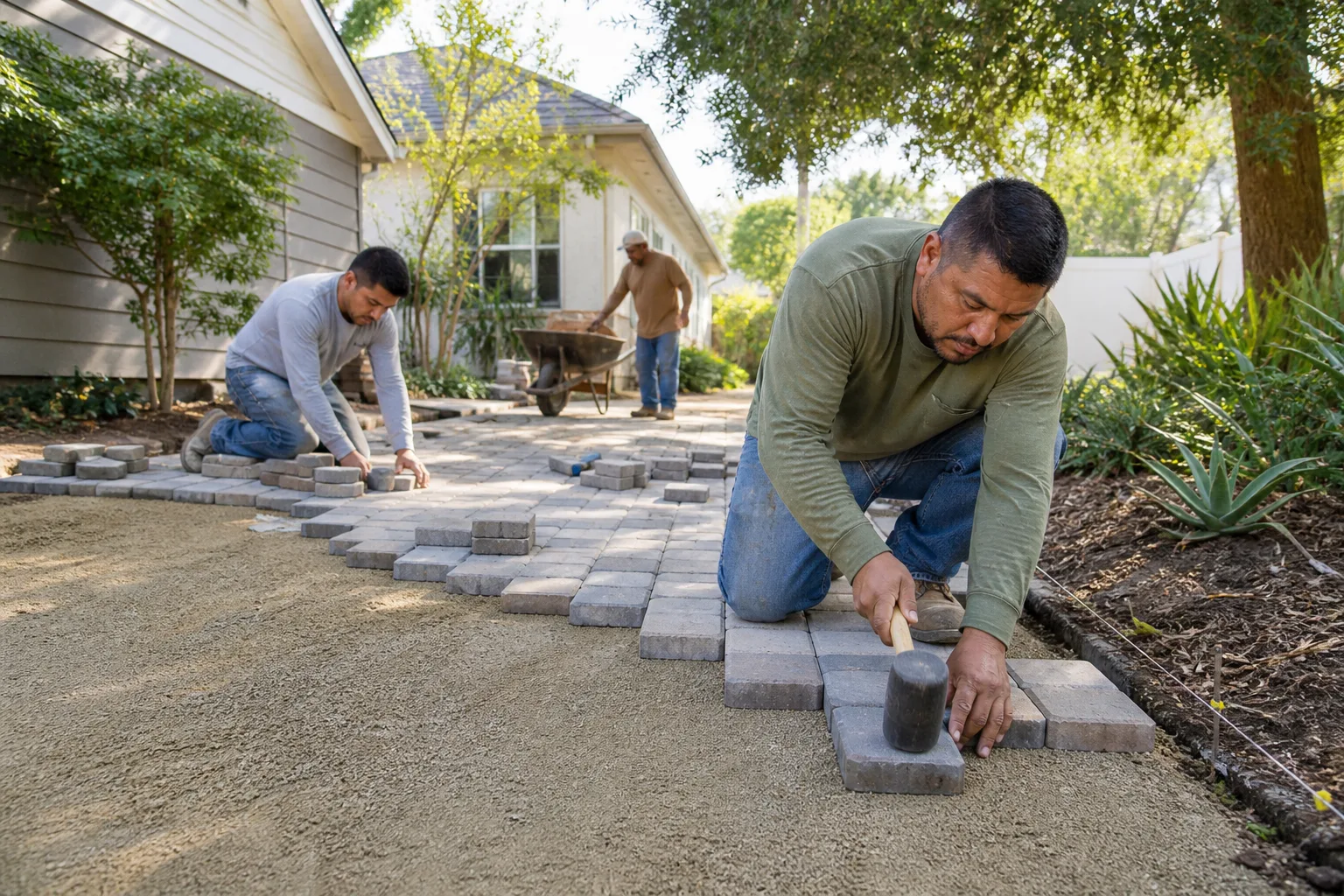
- A graded aggregate sub-base that’s installed in lifts and compacted between each one, not dumped and smoothed in a single pass.
- Base material placed over a separation layer where the soil calls for it, so clay fines don’t migrate up into the aggregate and clog it.
- Compaction verified with equipment, not eyeballed. A plate compactor run once over loose material proves nothing.
- Bedding sand kept thin and level, with the pavers set tight and joints filled properly.
The exact depth depends on how much clay your lot holds and how the driveway slopes, which is why we check the actual ground before committing to a spec. If a contractor quotes you a base depth before looking at your soil, that’s a number pulled from a template, not your property.
Which Paver Material Holds Up Best in Fullerton’s Climate?
Three surface families dominate here: concrete pavers, natural stone, and poured concrete. Each behaves differently under Fullerton’s summer heat and cool winter nights, and each has a different long-term cost profile.
Concrete pavers (Belgard, Unilock, Techo-Bloc)
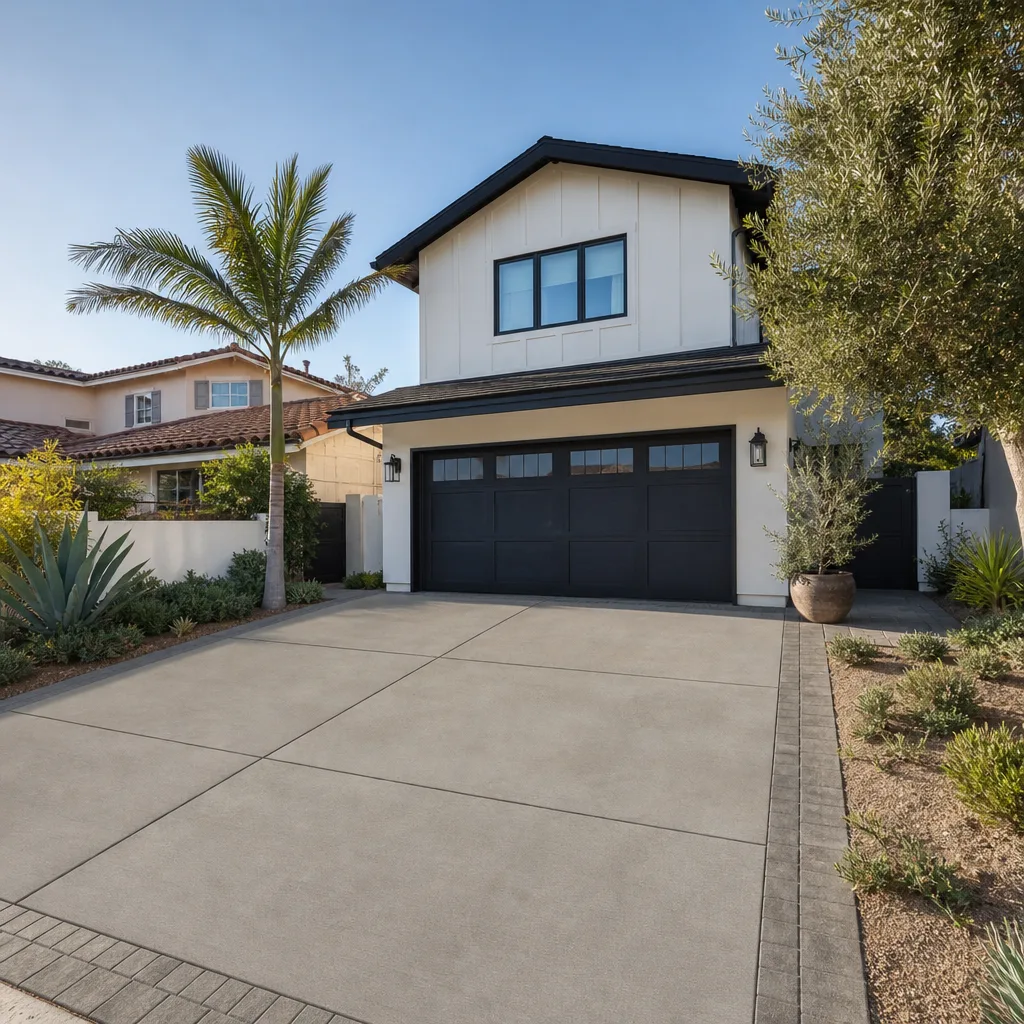
Concrete pavers are the workhorse choice for most Fullerton driveways. They’re manufactured to tight tolerances, they come in interlocking patterns that flex slightly with minor ground movement instead of cracking, and individual units can be lifted and reset if one area settles. They resist the color fade that plagues poured concrete in strong sun, and quality lines from Belgard, Unilock, and Techo-Bloc are built for exactly this climate. Our technicians have up to 14 years of experience matching the right paver line to a property.
Natural stone
Natural stone, whether travertine, flagstone, or granite, gives you a surface no other material matches for character. It’s the highest upfront cost of the three, and it demands careful installation because stone varies in thickness and porosity. On a Fullerton clay lot, stone is only worth the investment if the base and drainage are done right, since a premium surface on a bad base is money spent on a problem waiting to happen. It handles heat well and won’t fade.
Poured concrete
Poured concrete is the cheapest way to get a hard driveway, and it’s also the most vulnerable on Fullerton’s expansive clay. A slab that cracks can’t be spot-repaired the way pavers can, and resurfacing only buys time. Engineered control joints help, but they manage cracking rather than prevent it. If budget pushes you toward poured concrete, be clear-eyed about the maintenance.
Fullerton Driveway Width, Apron, and Permeable Surface Rules
Before you settle on material, know what the City of Fullerton will actually let you build at the curb and across your lot. Driveway width, the apron where your drive meets the street, and the amount of permeable surface all factor into what gets approved. Rules vary by lot and can change, so the right first move is a call to Fullerton’s building and public works departments to confirm current requirements for your address. Ask specifically about maximum driveway width, the apron standard for your street, and whether the city wants a certain amount of permeable surface or a specific drainage approach.
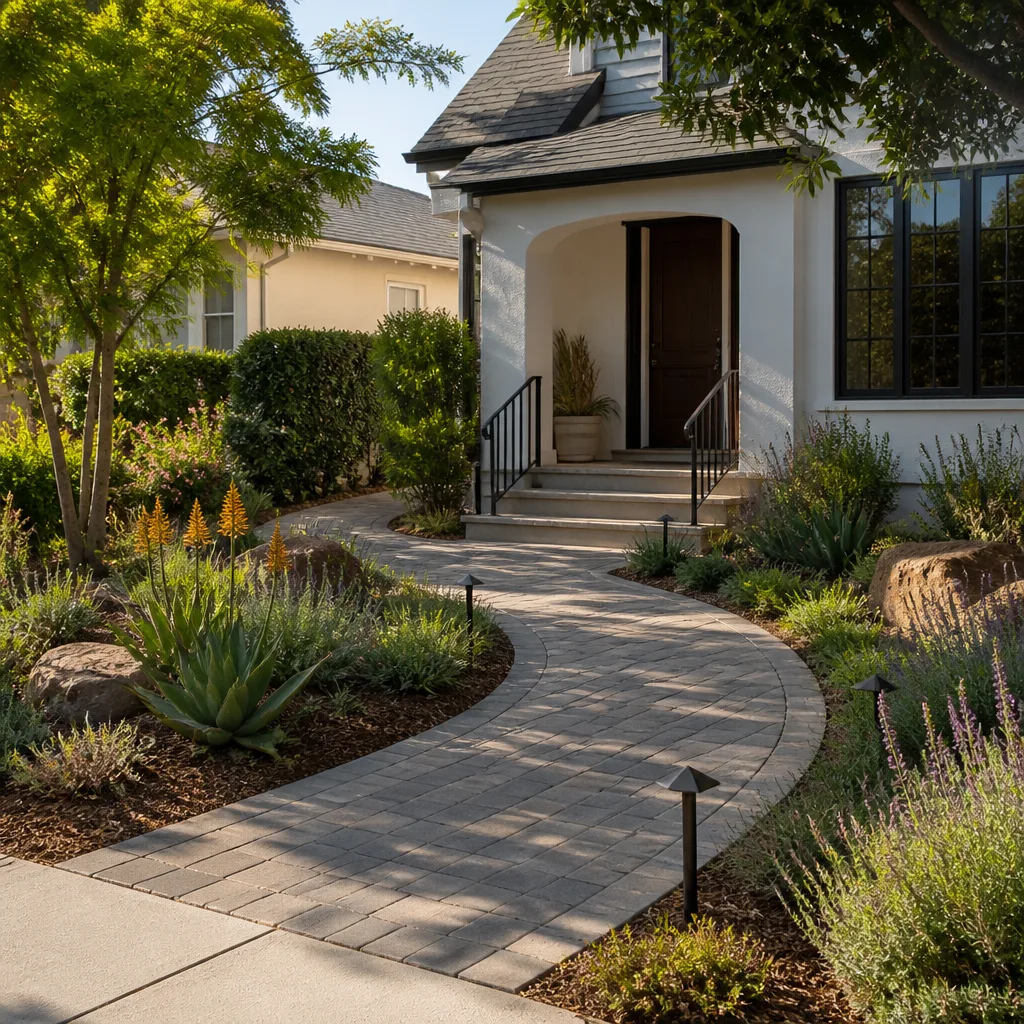
Why tile choice matters here: an all-paver surface with tight joints is far more permeable than a poured slab, and that can help your project meet permeable-surface rules without added drainage hardware. A common design move on Fullerton lots is a mixed pattern – a solid paver or stone field with a permeable border or drainage channel – that satisfies both the look you want and the water management the city expects.
Also confirm setbacks, the location of your existing utilities, and any curb-cut rules before excavation starts. Changing a plan mid-project once concrete is cut is an expensive way to learn a city requirement. Get the paperwork settled first, then let the build follow the approved plan.
Coordinating Driveway Grade With Your Existing Drainage
This is the mistake that turns a nice paver job into a foundation problem: a new driveway installed at a grade that pushes water toward the house. It happens more than it should, because a driveway that drains to the street is easy to build, and one that drains away from the foundation takes planning. On a Fullerton lot, water pooling against a foundation over clay soil is a recipe for movement, dampness, and repairs that dwarf the cost of getting the grade right the first time.
How we plan grade around your existing drainage:
- Map how water currently moves across the lot, including where it goes during a heavy rain.
- Set the driveway’s high and low points so the finished surface falls away from the foundation and toward a defined exit point.
- Use a channel drain, trench drain, or French drain where a single slope won’t do the job, tied into the property’s existing drainage.
- Check the apron and curb transition so water leaves the driveway cleanly at the street instead of puddling at the base.
- Confirm the finished grade still meets any slope requirements at the foundation and along property lines.
Coordinate this with the rest of the hardscape too. A driveway, walkway, and patio all share the same water, and planning them separately is how you end up with a patio that floods because the new driveway changed where the runoff lands.
What Driveways Actually Cost in Fullerton
Fullerton driveway costs come down to base depth, material, and drainage scope, in that order. A surface price that looks low usually means a thin base and no drainage planning, which is the cost you carry later. Treat any quote as an estimate: the written estimate sets the final price, and it should break out base, material, drainage, and permits as separate lines so you can see exactly what your money is buying.
- Concrete pavers (Belgard, Unilock, Techo-Bloc): the mid-range choice for most Fullerton driveways, priced per square foot with base and installation included.
- Natural stone: the highest material cost of the three, driven by stone selection and the careful setting the material requires.
- Poured concrete: the lowest upfront cost, with the highest long-term risk of cracking on clay.
- Base and drainage: the variable most quotes skip. Deeper excavation on clay and added drainage push cost up, and skipping them pushes cost into the future.
Every driveway is quoted per job by written estimate, because a flat per-square-foot number ignores the soil under your specific lot. Line-item quotes, fixed pricing with no change orders, and free estimates are the standard we hold ourselves to. To find out what your Fullerton driveway actually costs, call (844) 834-8322 – estimates are free.
How a Full Driveway Install Comes Together, Step by Step
A driveway that holds up starts long before the first paver is laid. Here’s the sequence we follow on a Fullerton job:
- Assess the soil and grade. Walk the lot, note where clay dominates, and map water movement and the drive’s relationship to the foundation.
- Confirm city requirements. Lock down driveway width, apron standards, permeable surface, setbacks, and utility locations before design.
- Design and specify. Choose the paver or stone line with you – you choose the brand, we handle the build – and set the pattern, borders, and drainage.
- Excavate and haul. Remove the native material to the depth the soil calls for, not a template depth.
- Build the base. Install aggregate in compacted lifts, with separation and drainage addressed where the clay demands it.
- Set the surface. Lay the pavers or stone over level bedding, set tight, and fill joints with the right material.
- Test the drainage. Check the finished slopes move water away from the house and off the drive cleanly.
- Clean up and review. Final walk with you, and a clear picture of how to care for the surface.
Material delivery for a project like this draws on the same trade-grade supply chain behind our driveway & pavers work – recognizable product lines rather than commodity substitutions. If base material comes in bags, you’ll see brands like Quikrete and Sakrete on site, which means a known mix going into the ground.
Planning Your Driveway Alongside the Rest of the Property
A driveway doesn’t live in isolation. Its grade affects your fence line, its drainage affects your foundation, and its material should look like it belongs to the driveway, the walkway, and the patio – which is why treating the whole property as one plan is smarter than hiring a separate contractor for each piece. This company handles interior remodels, structural additions, exterior hardscape, roofing, fencing, and windows and doors under one team, so the phases coordinate instead of fighting each other. When a driveway, a new fence installation along the property line, and a patio all go in around the same drainage plan, you avoid the small disasters that come from disjointed sequencing.
That same whole-property thinking applies to the bigger projects. If your driveway install happens alongside an expansion, a home additions & ADU project can factor in the drive’s width for equipment access and set the new structure’s grade to match. And a prefab or modular unit can arrive with access needs a paver driveway is perfectly suited to support. When we coordinate every phase of a Construction Fullerton project together, your driveway is built to work with the property, not in spite of it.
A well-planned Fullerton driveway is the first thing your property shows a visitor and the last thing you want to rip out. Getting the soil, base, and drainage right means the surface you choose today is still level and clean years down the line.
Common Mistakes to Avoid
- Accepting a template base depth. If your contractor quotes the same base depth they use everywhere, they haven’t looked at Fullerton’s clay. Depth has to follow the soil on your lot.
- Skipping compaction testing. A single pass with a plate compactor isn’t the same as verified compaction. Loose base is the root of most sunken pavers.
- Ignoring the drainage plan. A driveway that grades toward the foundation turns a paver job into a waterproofing project. Map the water first.
- Choosing stone or pavers before checking the city requirements. Confirm width, apron, and permeable surface rules with Fullerton’s building department before you buy material.
- Using poured concrete to save money on clay. Cheapest upfront, most likely to crack. If full pavers are out of reach, a mixed surface or phased plan beats a slab that fails.
- Skipping joint-sand maintenance. Around Fullerton’s summer-to-winter temperature swings, joints need to be topped up so they don’t wash out. Keep a bag on hand and check after heavy rain.
- Hiring a driveway, fence, and patio crew separately. Three crews, three drainage plans, and three round of surprises. One coordinated plan is cheaper and lasts longer.
See the difference
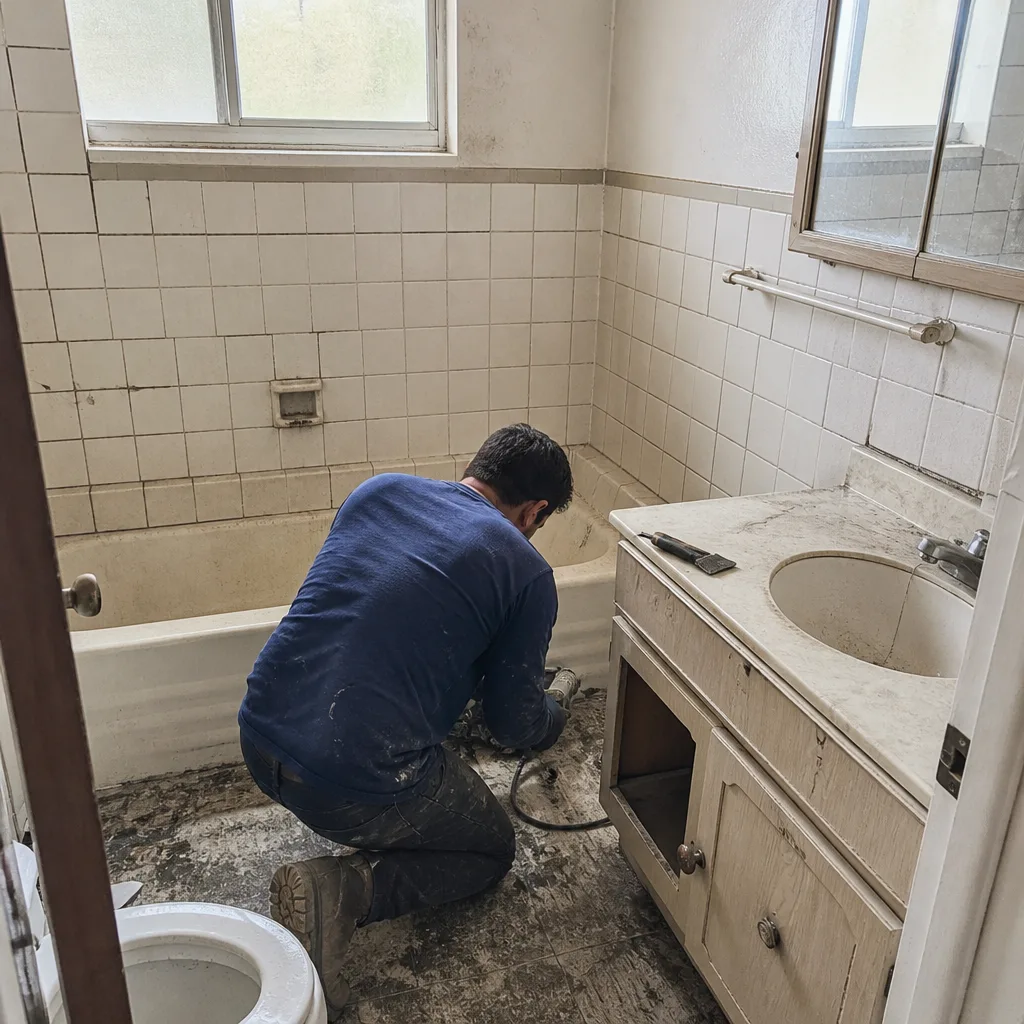 Before
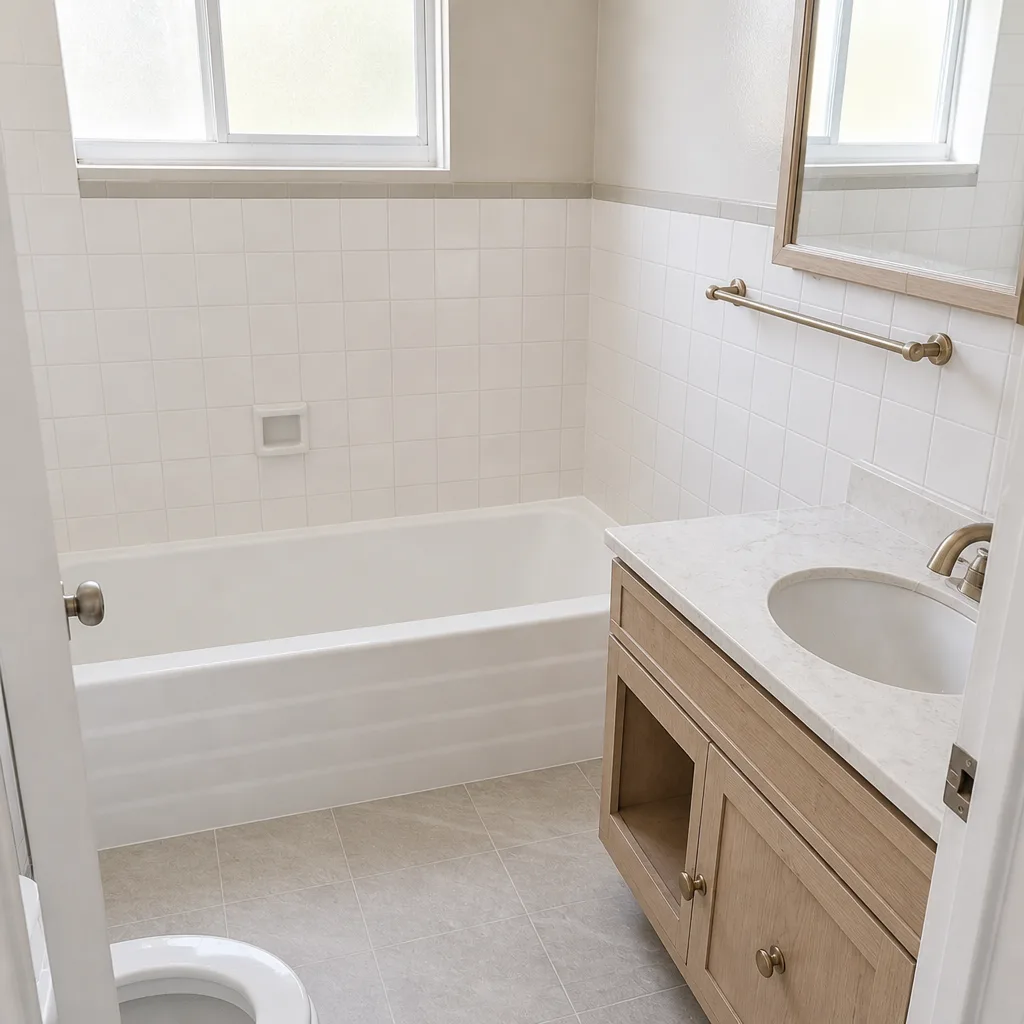 After
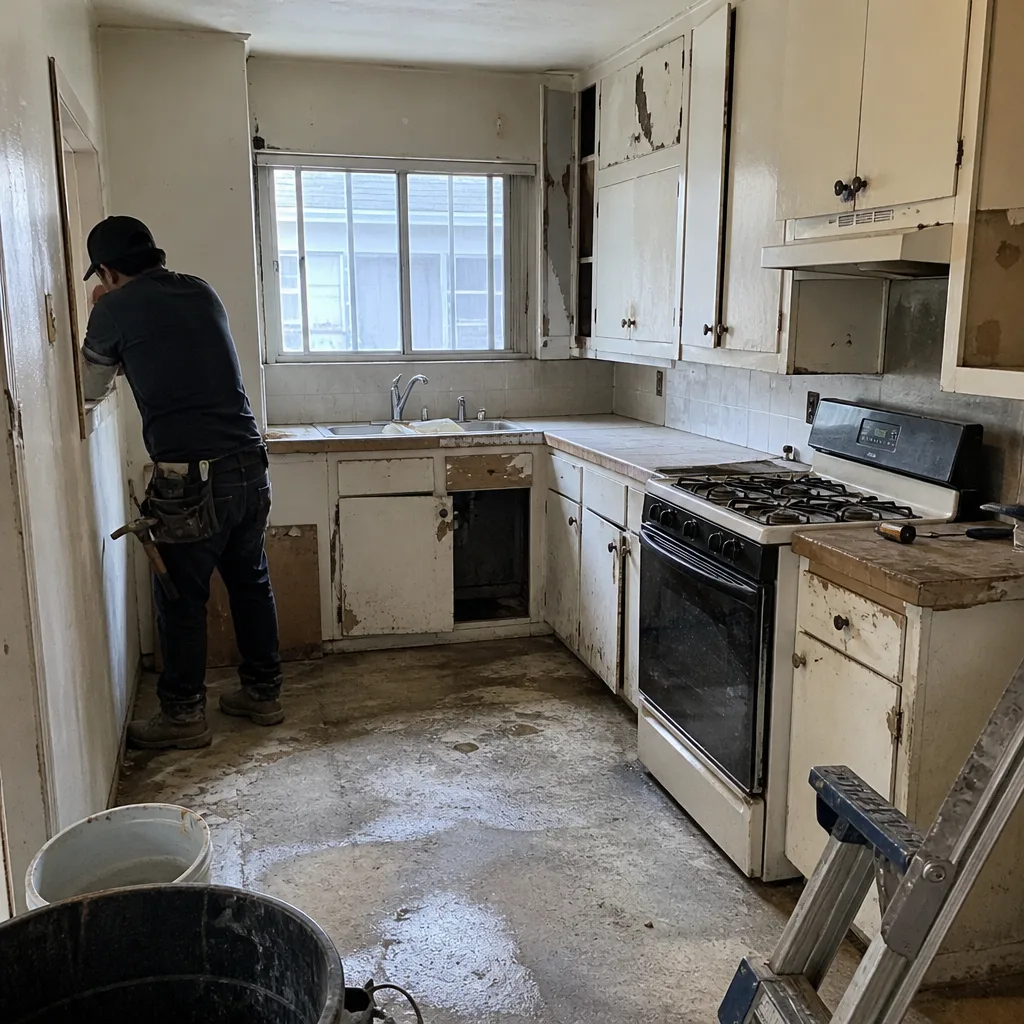 Before
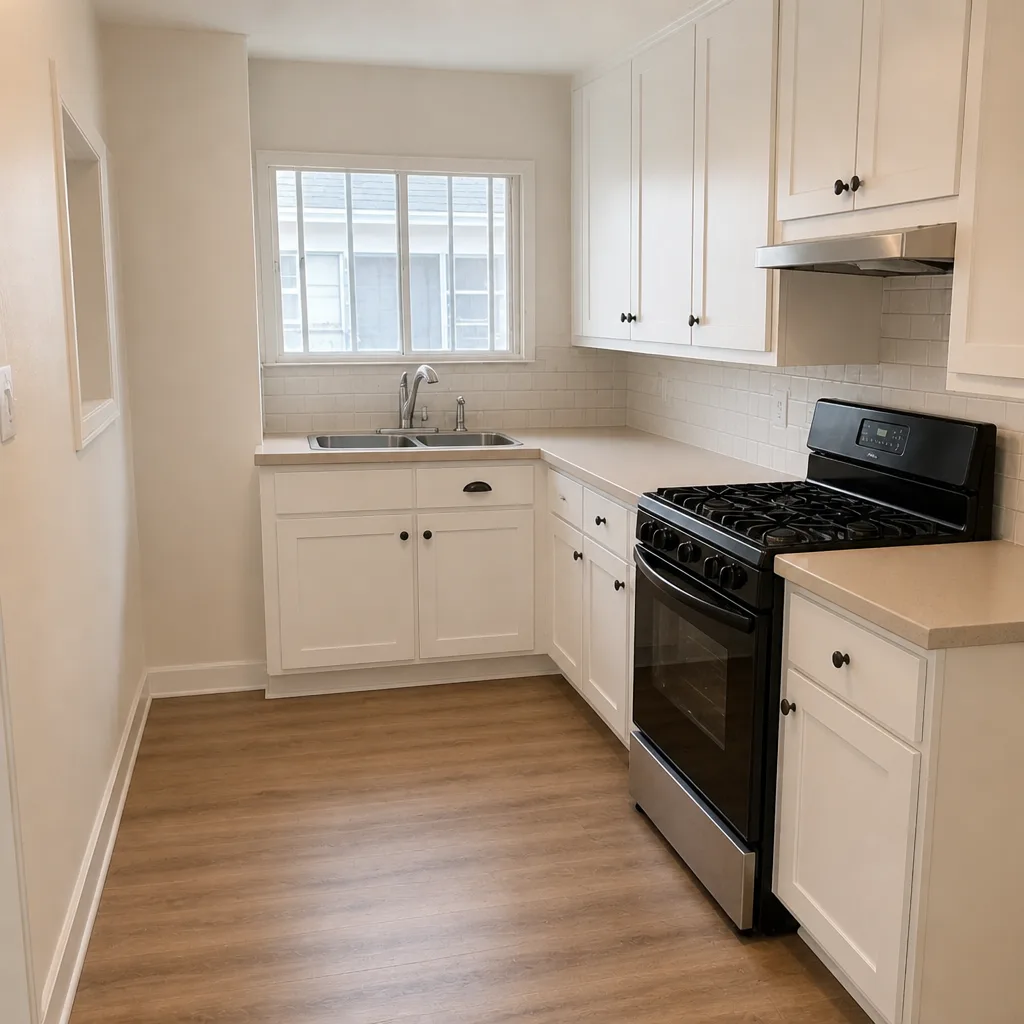 After
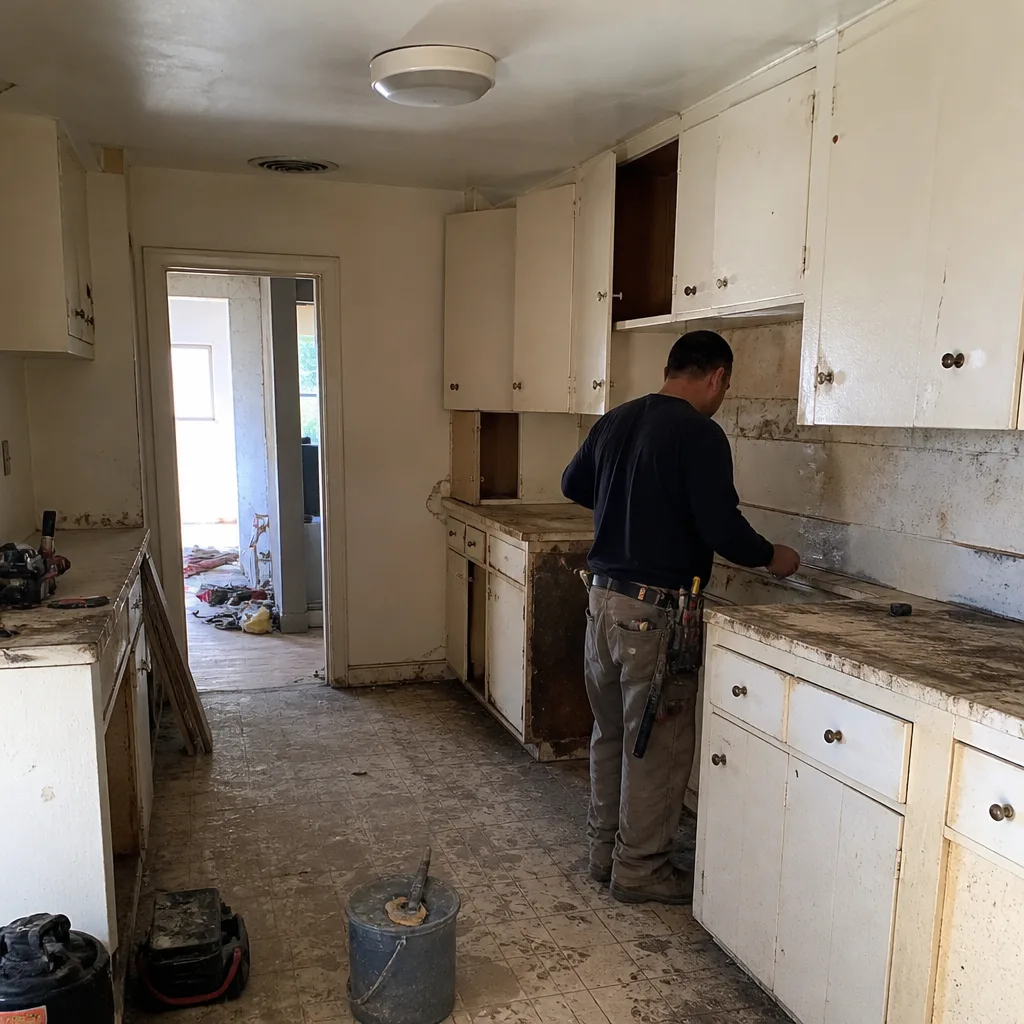 Before
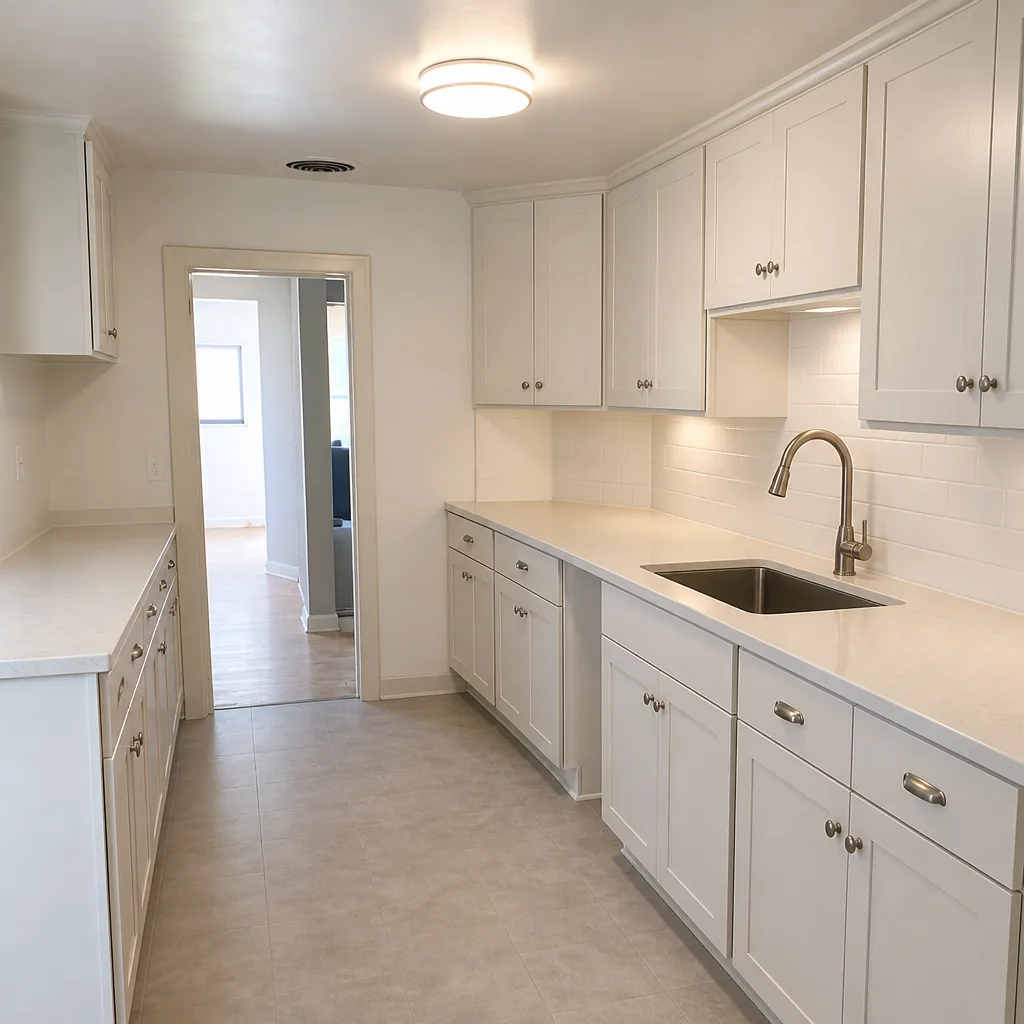 After
When to Call a Professional
Some driveway work is genuinely a professional call. If your existing pavers are rocking underfoot, if a section has sunk near the garage, if water pools against the foundation after rain, or if you’re planning a new install and don’t know what the clay under your lot is doing, that’s the moment to bring in trained eyes. A pro can assess soil, verify compaction, set grade, and pull the permits and get the inspections passed so the job is built to code. Poured concrete and paver installs both involve heavy excavation, hidden utilities, and base work that’s unforgiving of shortcuts. Our technicians have up to 14 years of experience and work to a written line-item quote with fixed pricing, so you know the number before the shovel goes in. Construction Fullerton offers free estimates in Fullerton – call (844) 834-8322. We answer 24/7. Fast dispatch from 7am to 7pm, Sunday through Friday.
Frequently Asked Questions
Fullerton paver driveways are priced per job by written estimate because base depth and drainage scope vary so much from lot to lot. Concrete pavers run mid-range, natural stone is the highest upfront, and poured concrete is the cheapest but most crack-prone on clay. Call (844) 834-8322 for an exact quote – estimates are free.
Most driveway work that touches the apron, curb, or public right-of-way requires city approval, and permeable-surface or setback rules can apply. Confirm the current requirements with the City of Fullerton’s building and public works departments for your address. We can walk you through permits and handle the inspections as part of the job.
Pavers sink or rock when the base beneath them wasn’t built for the local clay soil. Native clay swells when wet and shrinks when dry, so a base built to a generic spec loses support. Proper excavation, separation, and compacted lifts prevent it. If you’re seeing movement, call (844) 834-8322 to get it assessed.
Yes, and you should. Proper grade design routes water away from the house and toward a defined exit, using a channel, trench, or French drain where a single slope won’t work. This is a planning step, not an extra. Call us to have your drainage mapped before the build.
A paver driveway built on a properly engineered base and maintained with joint-sand upkeep lasts for decades. Failures almost always trace back to base or drainage shortcuts rather than the pavers themselves. Topping up joints after heavy rain around Fullerton’s temperature swings keeps the surface stable.
Look for recognized paver lines from Belgard, Unilock, and Techo-Bloc, which are built for this climate, and expect trade-grade base material – brands like Quikrete and Sakrete – going into the ground. You choose the brand, we handle the build, and we don’t substitute unknowns.
The Bottom Line
Your Fullerton driveway’s long-term success has very little to do with how the surface looks the week it’s finished and almost everything to do with what’s underneath. Fullerton’s clay-heavy soil demands a base and drainage plan built for the specific lot, not a generic Southern California spec. Confirm the city’s width, apron, and permeable-surface rules first, then choose material – concrete pavers for most properties, natural stone for the highest investment, poured concrete only with clear eyes about cracking. Coordinate the driveway with the fence, patio, and any addition so everything shares one drainage plan. That’s how a driveway still sits flat a decade from now. Call (844) 834-8322 for a free estimate. We answer 24/7. Fast dispatch from 7am to 7pm, Sunday through Friday.
Written by the team at Construction Fullerton.